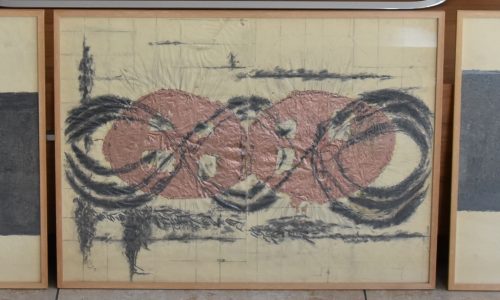
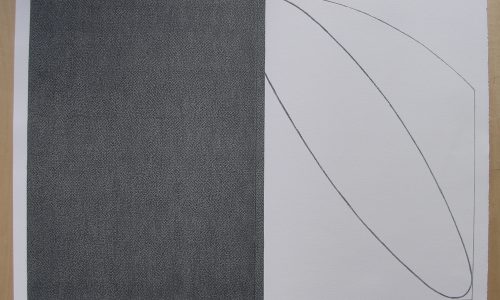
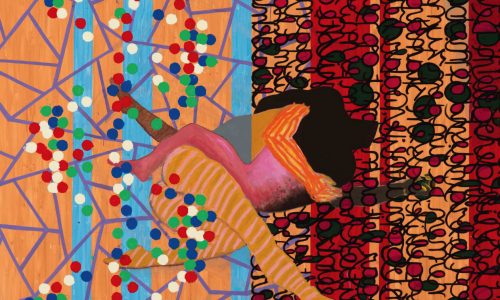
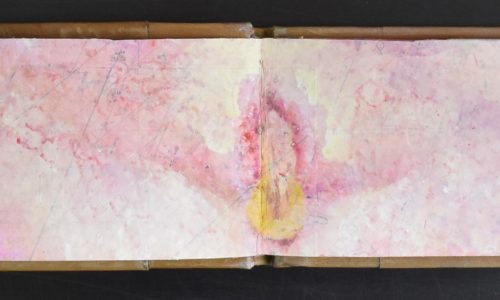
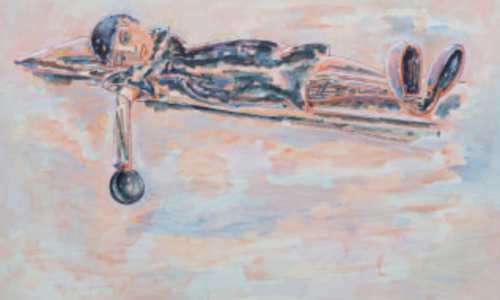
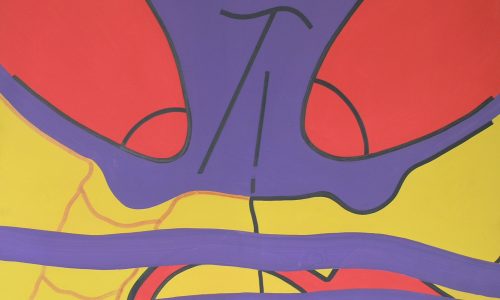
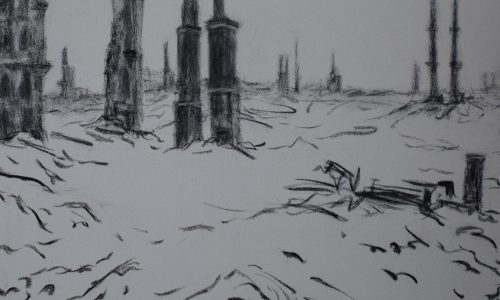
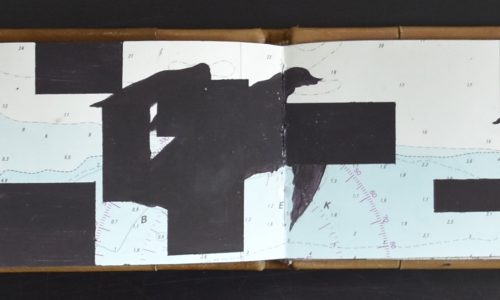
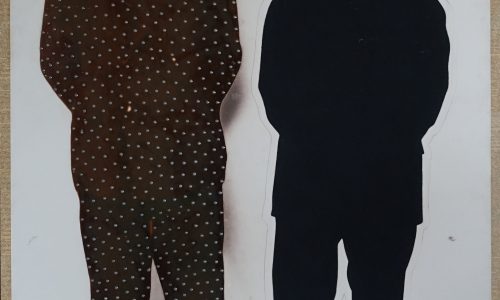
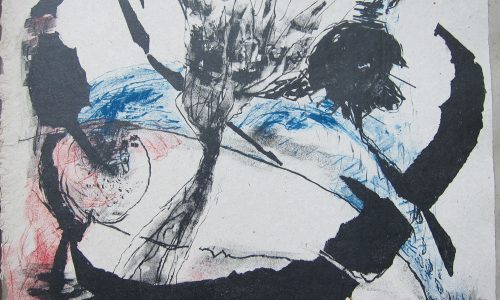
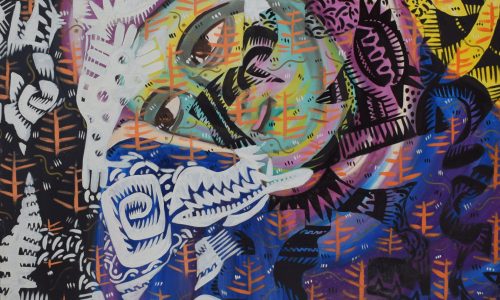
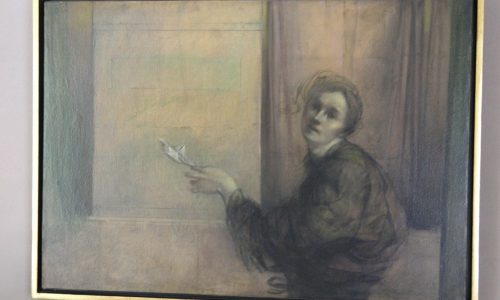
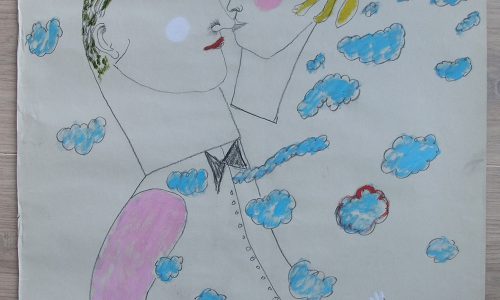
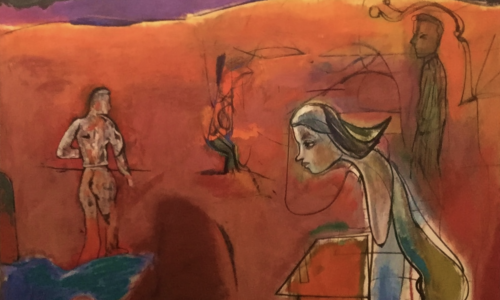
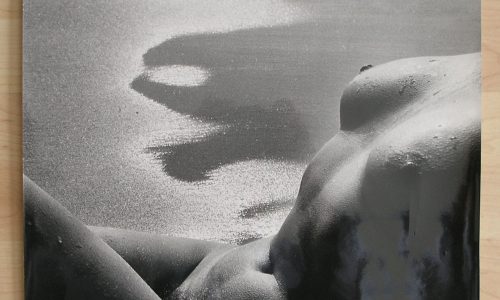
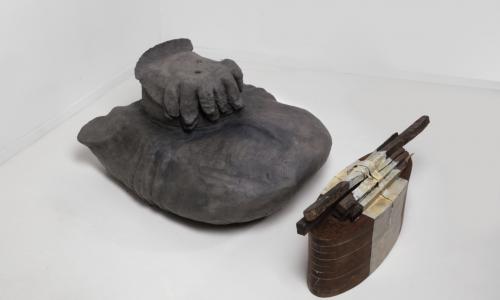
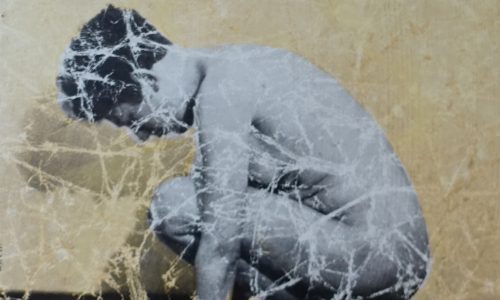
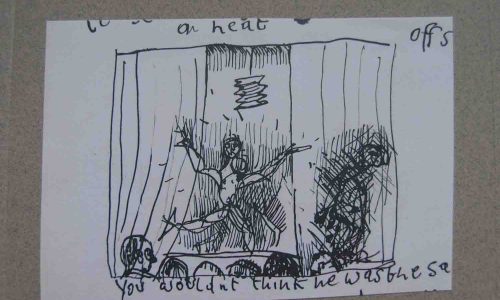
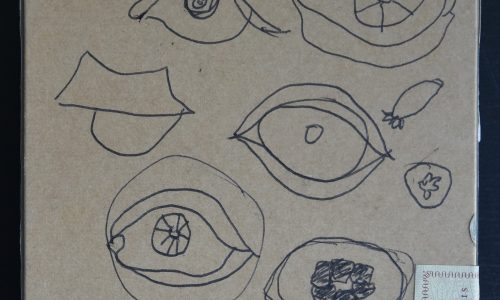
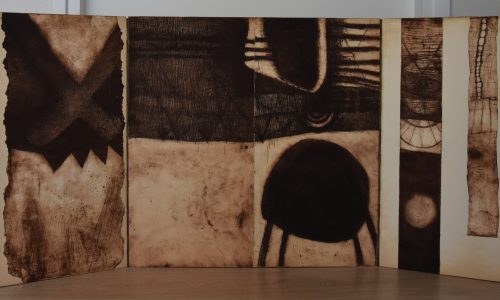
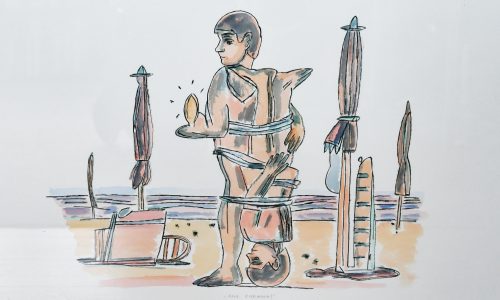
Herman Makkink (1937-2013), hailing from Winschoten and later residing in Suffolk, was an artist renowned for his multi-faceted talents in sculpture, graphics, and drawing. Makkink’s niche was his ability to imbue everyday objects and materials with whimsy and unanticipated contexts. One of his notable works, The Rocking Machine (1969), famously featured in Stanley Kubrick’s A Clockwork Orange (1971), was a kinetic sculpture exuding a surreal and provocative aura. His artistic style was influenced by the movement of pop art and conceptual art, and he shared common ground with Fluxus, an international artistic movement striving to blur the boundaries between art and life.
Herman Makkink gained recognition for his surrealist and conceptual art pieces. His repertoire encompassed a diverse range of mediums and styles, often focusing on sculptures and assemblages that blended elements of humor, absurdism, and societal critique. Makkink frequently utilized humor and absurdism as tools to address social and cultural themes, infusing his work with a playful but confrontational essence. His pieces had a cheeky mix of kitsch and high art, as he delved into experimenting with recycled and industrial materials. This approach was in line with the zeitgeist of the 1960s and 1970s, where artists were increasingly turning to readily available and affordable resources for their creative endeavors. Makkink’s body of work is visually provocative and intellectually stimulating, striking a balance between playfulness and critical reflection on societal issues.
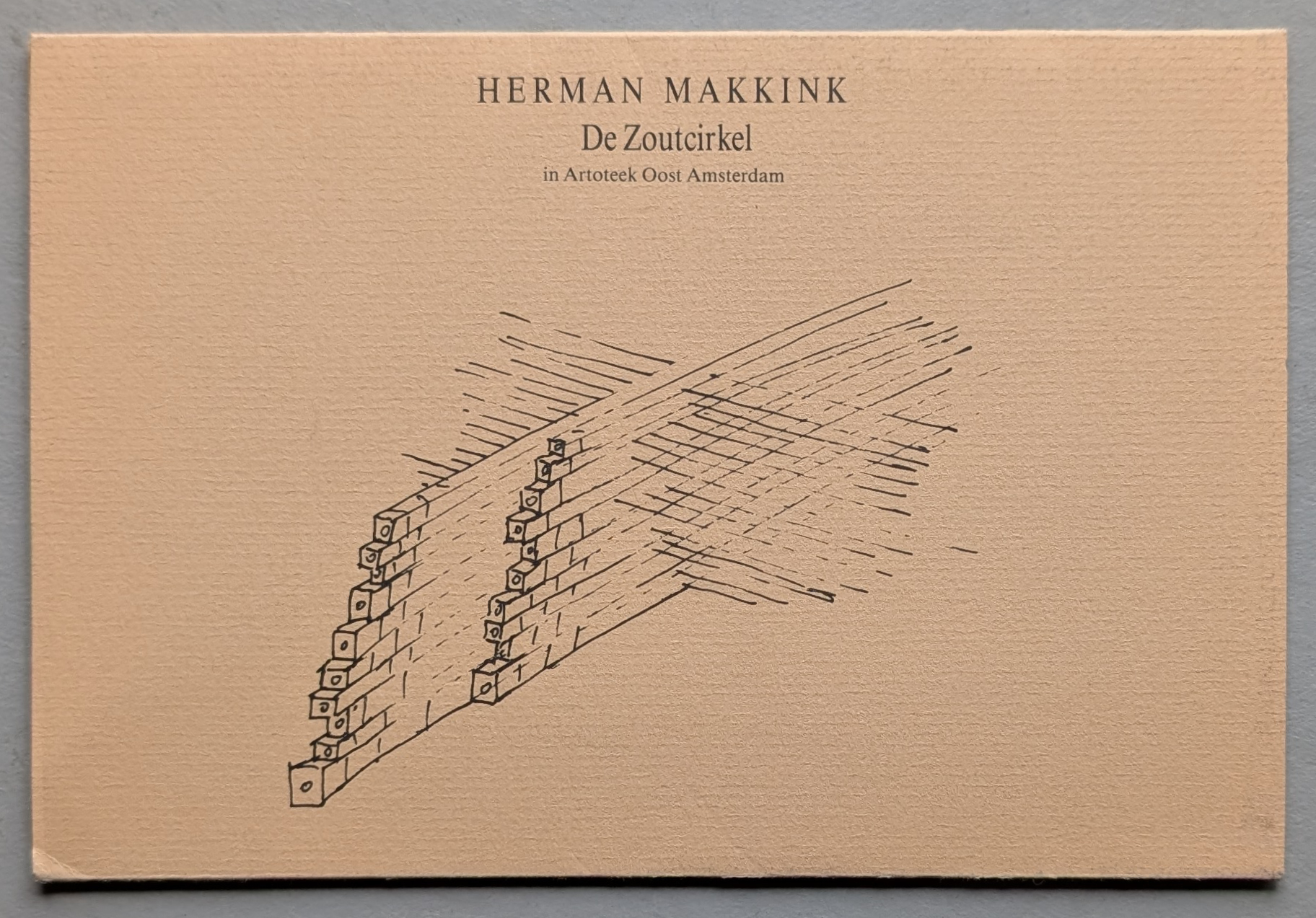
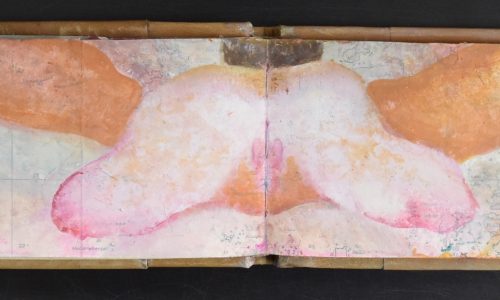
www.ftn-books.com has the DE ZOUTCIRKEL Leperello now available.