Posted on

Hans Ulrich Obrist: A Pioneer in Transdisciplinary Art

Hans Ulrich Obrist, a luminary famed for his pioneering approach to cultural immersion, serves as a leading figure in transdisciplinary exploration. Based between London and Zurich, this global curator and artistic director constantly connects the dots between emerging artists and art historical thought. With an innovative practice and insatiable curiosity, Obrist has become one of the most influential creative tastemakers of the past two decades.

Renowned for his role as Artistic Director of the Serpentine, Obrist has curated over 300 shows in his illustrious career and has authored and edited numerous books, including the impactful ‘Ways of Curating’ in 2015. In 2021, he released ‘140 Artists’ Ideas for Planet Earth,’ a manifesto showcasing his ongoing dedication to sustainability and the fight against the escalating climate crisis. This visionary extends his expansive approach to collaborations with brands, utilizing his keen eye for cultural shifts to act as a soothsayer of sorts for our time. His global experiences feel like an urgent summons from the future.

Recognized twice by ArtReview as the number one most influential person in contemporary art, Obrist continues to push the boundaries of the art world through his constant questioning of outdated categories. His unique expertise breaks the barriers between fashion and technology, and blends physical and digital culture.

www.ftn-books.com has the scarce DO-IT book from 2005 now available.
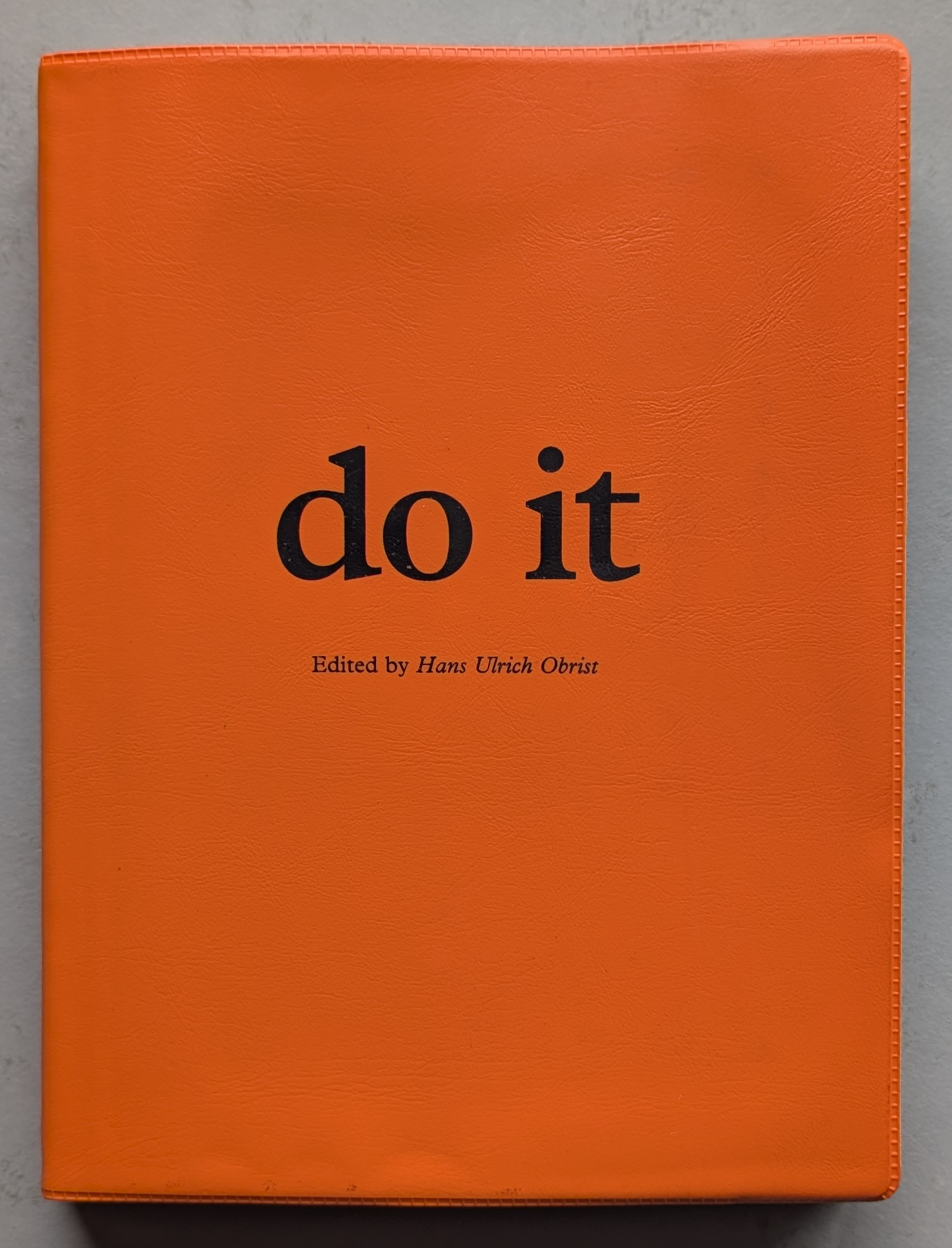
Cover of the book 'do it', edited by Hans Ulrich Obrist, featuring an orange background and bold black text.
Posted on

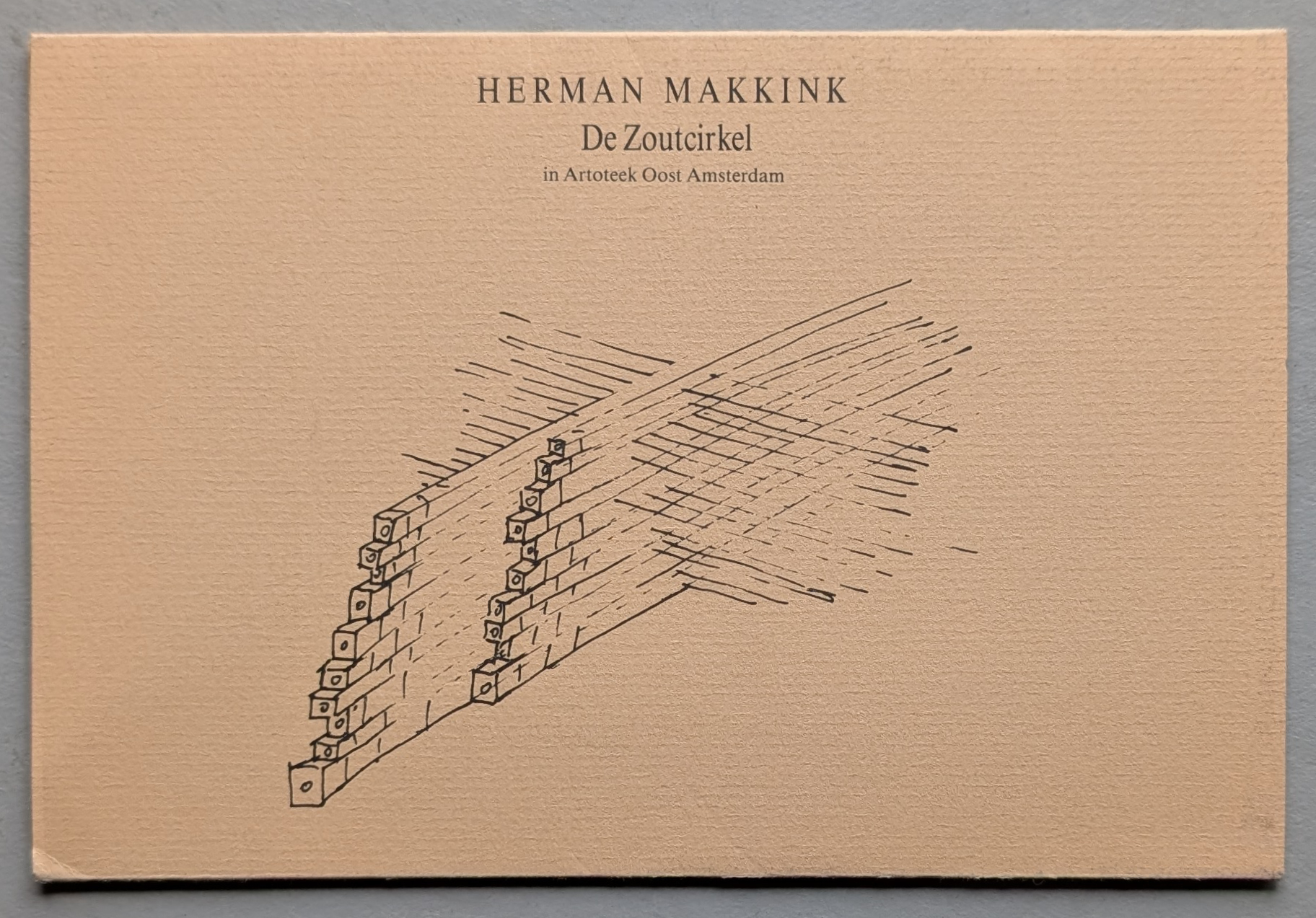
Herman Makkink

Herman Makkink (1937-2013), hailing from Winschoten and later residing in Suffolk, was an artist renowned for his multi-faceted talents in sculpture, graphics, and drawing. Makkink’s niche was his ability to imbue everyday objects and materials with whimsy and unanticipated contexts. One of his notable works, The Rocking Machine (1969), famously featured in Stanley Kubrick’s A Clockwork Orange (1971), was a kinetic sculpture exuding a surreal and provocative aura. His artistic style was influenced by the movement of pop art and conceptual art, and he shared common ground with Fluxus, an international artistic movement striving to blur the boundaries between art and life.

Herman Makkink gained recognition for his surrealist and conceptual art pieces. His repertoire encompassed a diverse range of mediums and styles, often focusing on sculptures and assemblages that blended elements of humor, absurdism, and societal critique. Makkink frequently utilized humor and absurdism as tools to address social and cultural themes, infusing his work with a playful but confrontational essence. His pieces had a cheeky mix of kitsch and high art, as he delved into experimenting with recycled and industrial materials. This approach was in line with the zeitgeist of the 1960s and 1970s, where artists were increasingly turning to readily available and affordable resources for their creative endeavors. Makkink’s body of work is visually provocative and intellectually stimulating, striking a balance between playfulness and critical reflection on societal issues.

www.ftn-books.com has the DE ZOUTCIRKEL Leperello now available.

Posted on

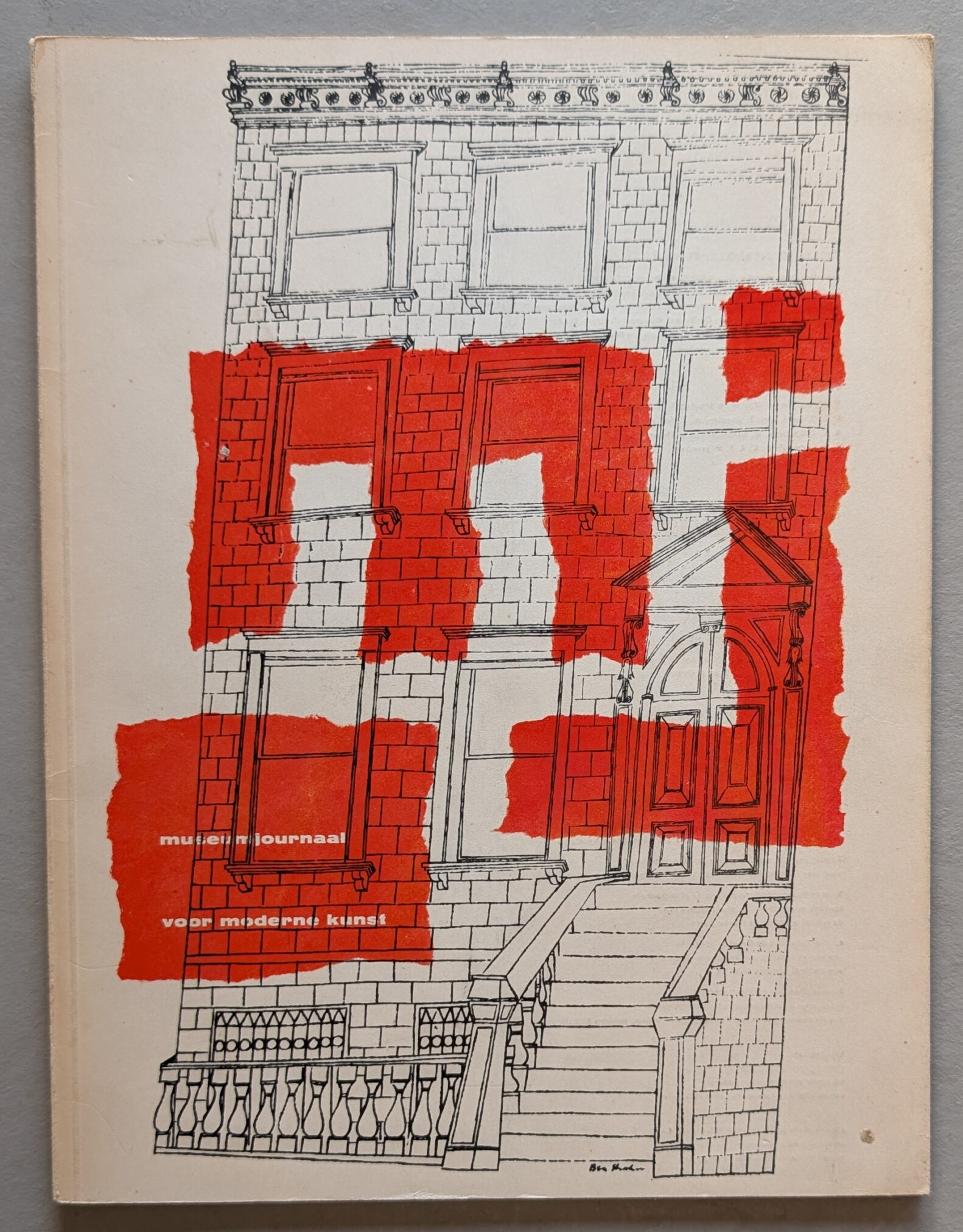
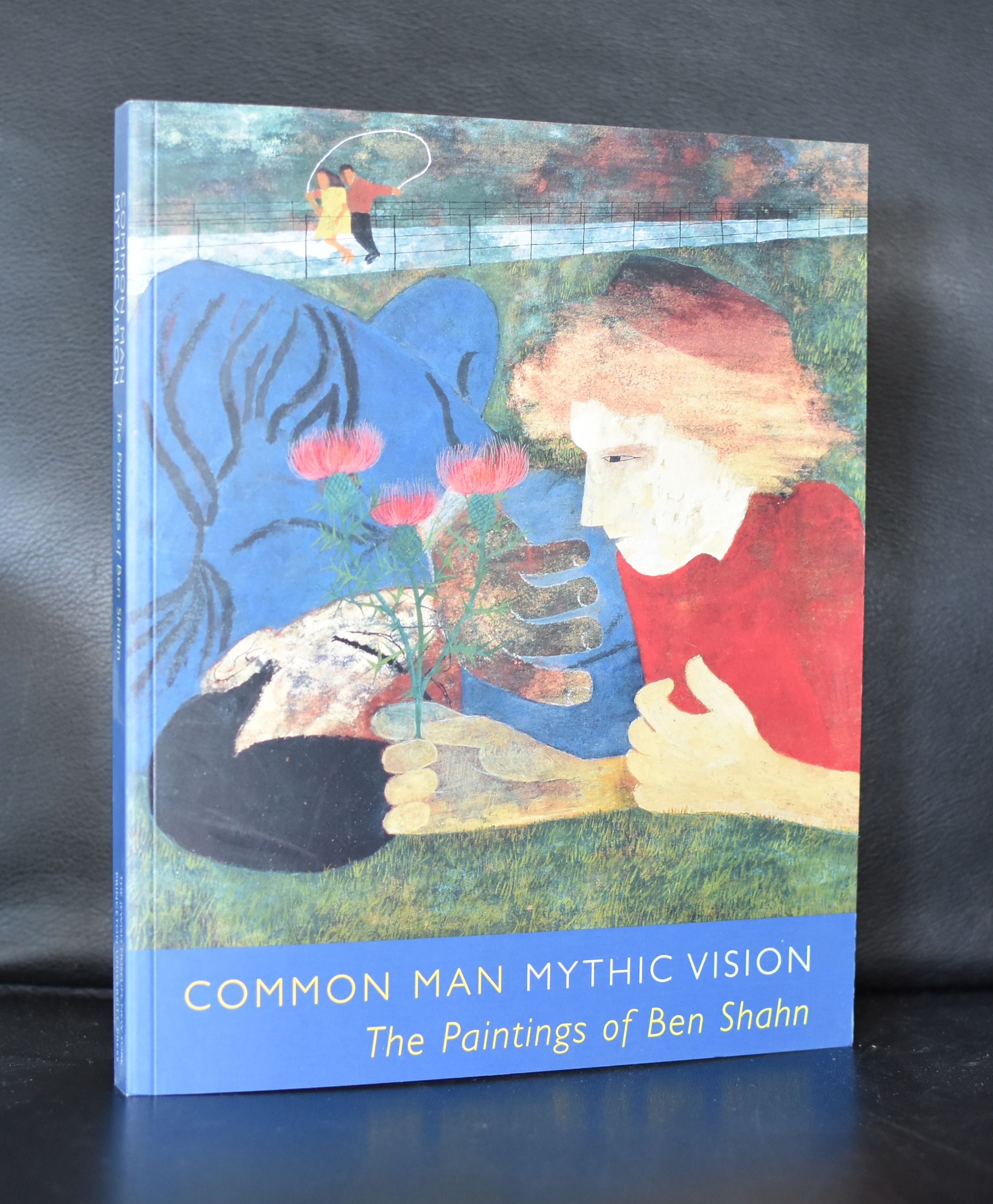
Ben Shahn

Ben Shahn, an American artisan, adeptly merged painting with social realism, rooted in a resilient leftist political background. He employed a distinctive amalgamation of acute realism and poignant stylization to bring attention to societal inequality and human dignity. Shahn’s pieces resonate with a lasting sense of fairness and empathy, forging profound emotional connections with the audience.

www.ftn-books.com has several Shahn titles in its inventory

Posted on

Jan Theun van Rees

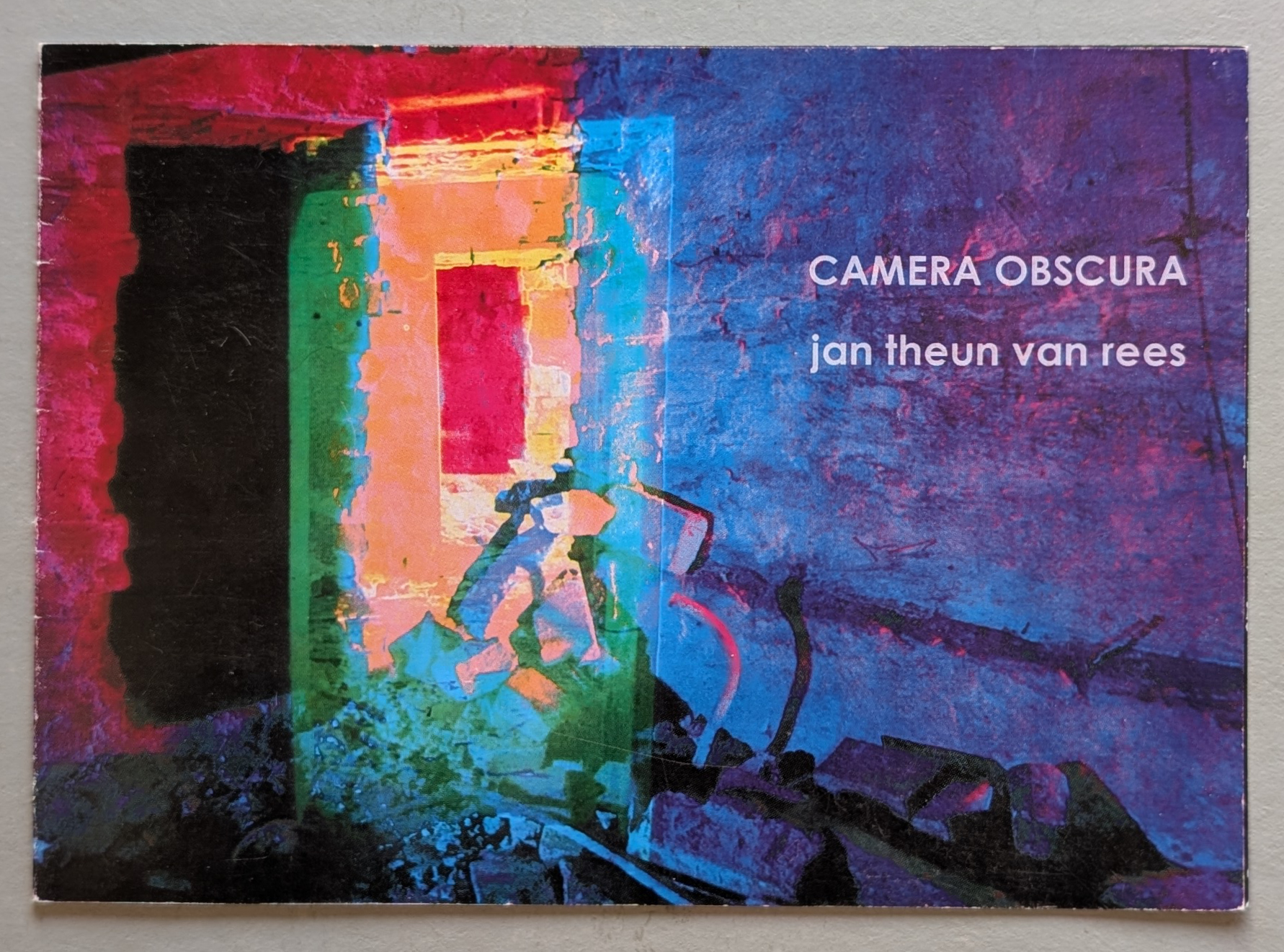
Jan Theun van Rees is a seasoned photographer who focuses on depicting the appearance of space in relation to our surroundings. He captures hidden spaces within prominent buildings in Chicago, as well as dismantled theaters and museums undergoing major renovations in Amsterdam. His photography aims to showcase the unique qualities of these spaces, which are often overlooked. Through his artistic projects under the umbrella term “Camera Lucida,” he attempts to visually connect these interior spaces with the outside world through natural light.

However, in 2015 his focus shifted towards the experience of these spaces. He now intervenes and manipulates the incoming light to emphasize the spatial qualities that he perceives. These interventions have become an essential part of his practice, as he constructs his own spaces and versions of a new, non-existent reality. The construction of a space he has not yet seen is an intuitive process, aimed at visualizing a specific spatial quality for the sole purpose of capturing it through photography.

www.ftn-books.com has the CAMERA OBSCURA invitation now available.

Posted on

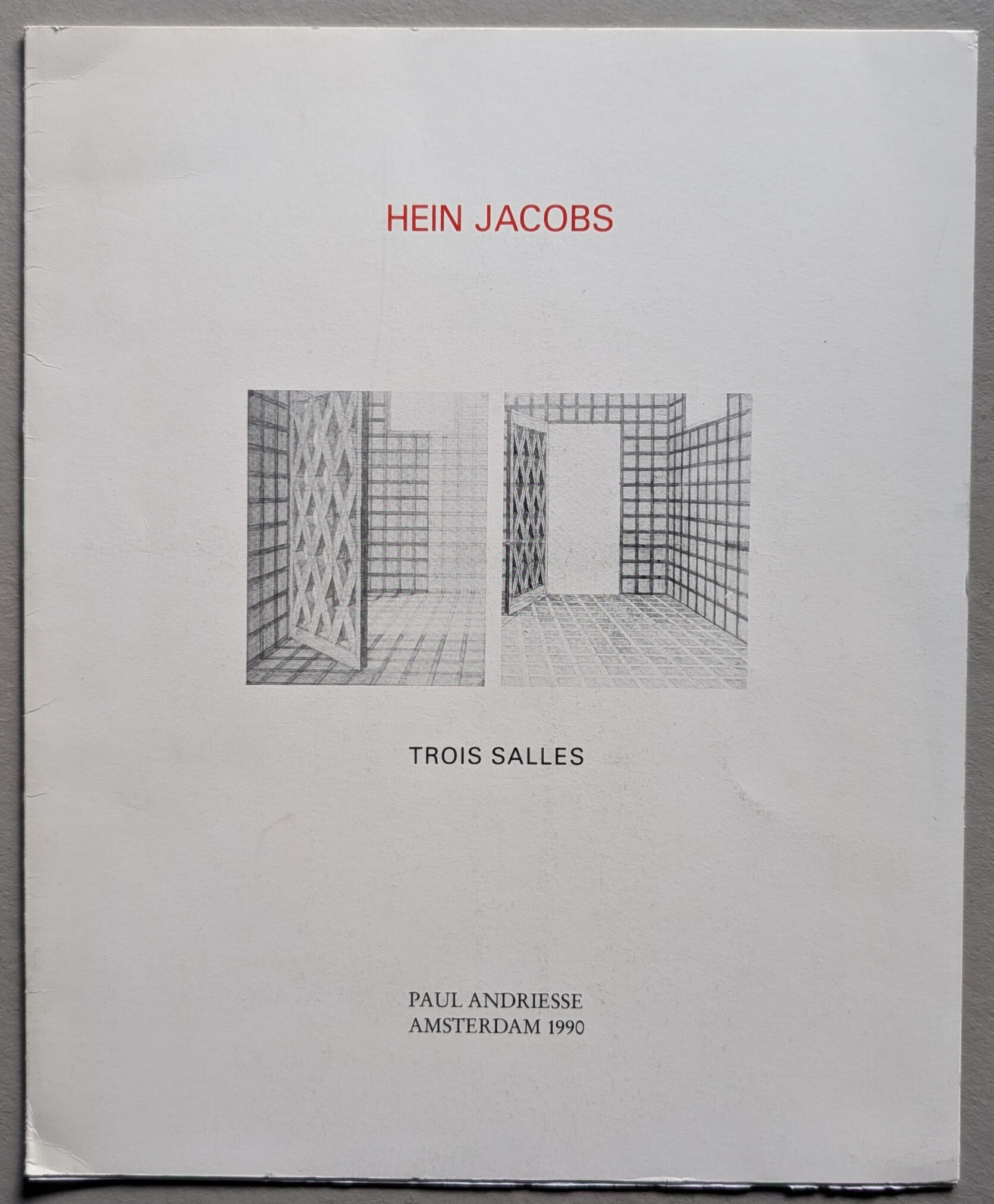
Henri Jacobs

Henri Jacobs has resided and labored in Brussels since 1993. He attended the St. Joost Academy in Breda, the Academy for Visual Arts in Rotterdam, and the renowned Rijksakademie in Amsterdam. His captivating paintings and illustrations have been proudly exhibited both individually and collaboratively in esteemed galleries and museums located in Brussels, Bruges, Amsterdam, Rotterdam, Eindhoven, Tilburg, New York, Paris, and Venice. Henri Jacobs’ impressive oeuvre now includes diverse small and large-scale commissions in Amsterdam, The Hague, and other locations.

Beginning in 2003, Jacobs began to produce a ceaseless stream of unique drawings that he routinely shares on his website. A decade later, in September of 2013, the publication ‘Henri Jacobs – Journal Drawings’ was released, capturing nine years worth of illustrations and collected images. This expansive publication contains all of Jacobs’ drawings from 001 to 666, some of which feature multiple stages of progression. These stages showcase the evolution of each specific drawing, allowing the viewer to witness the evolution of Jacobs’ drawing techniques throughout the book. It is a vast collection of images that have been meticulously cultivated and presented in a manner that allows them to interact with one another through the observer’s eyes.

In September of 2009, Jacobs embarked on a two-year artistic research project at the esteemed Rietveld Academy in Amsterdam. The first year of this project was focused on practice-based artistic research into the concept of the palimpsest. This was followed by an exploration into the themes of creation and destruction. Over time, this research has developed into a comprehensive study into the concepts of idolatry and iconoclasm.

www.ftn-books.com has several Henri Jacobs publications available

Posted on

Carol Robertson: Art that Connects Landscape and Geometry

A smiling artist stands in front of a large abstract artwork featuring concentric circles in various colors against a deep purple background.

Carol Robertson’s artwork remains deeply rooted in the simplistic conventions of abstract expressionism. She does not aim to depict or capture the appearance of the world, yet her pieces remain intrinsically connected to it. She maintains an informal bond with the landscape, architecture, nature, and the surrounding environment. While her current work still features familiar geometric shapes, notably circles, she has recently begun to deconstruct the circular form into arcs, hence exploring a more disruptive sense of asymmetry. Starting from 2005, all of her paintings are created using poured and stained bases, with multiple layers often being present. The atmospheric and unstructured color fields beautifully complement the meticulously drawn and over-painted shapes. Throughout her career, she has deliberately chosen to utilize the square, rectangle, and circle due to their powerful essence and aesthetically pleasing appearance.

“The potency and allure of geometric shapes and intricate details serve as my inspiration for creating art. Embracing the formal constraints of a reductive and often repetitive geometric language helps eliminate the chaos that would otherwise arise from the infinite visual options that exist. Geometry allows me to focus on the essentials, while retaining the freedom to convey sensory or poetic material through its refined parameters. Among the forms I use, the circle holds the most archetypal significance. It resonates universally and has been a common motif in art, architecture, and ritual – a symbol of the universe and the heavens; a representation of the journey inward or outward from the center; a symbol of wholeness, infinity, and completion; an unending continuous line without a definite beginning or end; the cycle everlasting.”

Living in the bustling metropolis of London, Carol Robertson is no stranger to the art world. As a former Research Fellow in Painting at the prestigious Cardiff School of Art & Design from 2003 to 2008, her talents have been widely recognized and showcased. The UK and Europe have both played host to her exhibitions, as have Japan and the United States. For the past two decades, she has returned as a Fellow to the esteemed Ballinglen Arts Foundation in Ireland. In a groundbreaking move, Robertson explored the realm of three-dimensional art during her 2012 residency at the Kunstgarten in Graz. However, her creativity is not limited to one medium, as she has also carved a niche for herself as a prolific printmaker. In 2015, her series of monoprints, entitled Copán, was birthed from her transformative journey to Central America. Such dedication to her craft and ability to constantly push the boundaries of her artistry led to her being inducted as an Academician by the prestigious Royal West of England Academy in 2018.

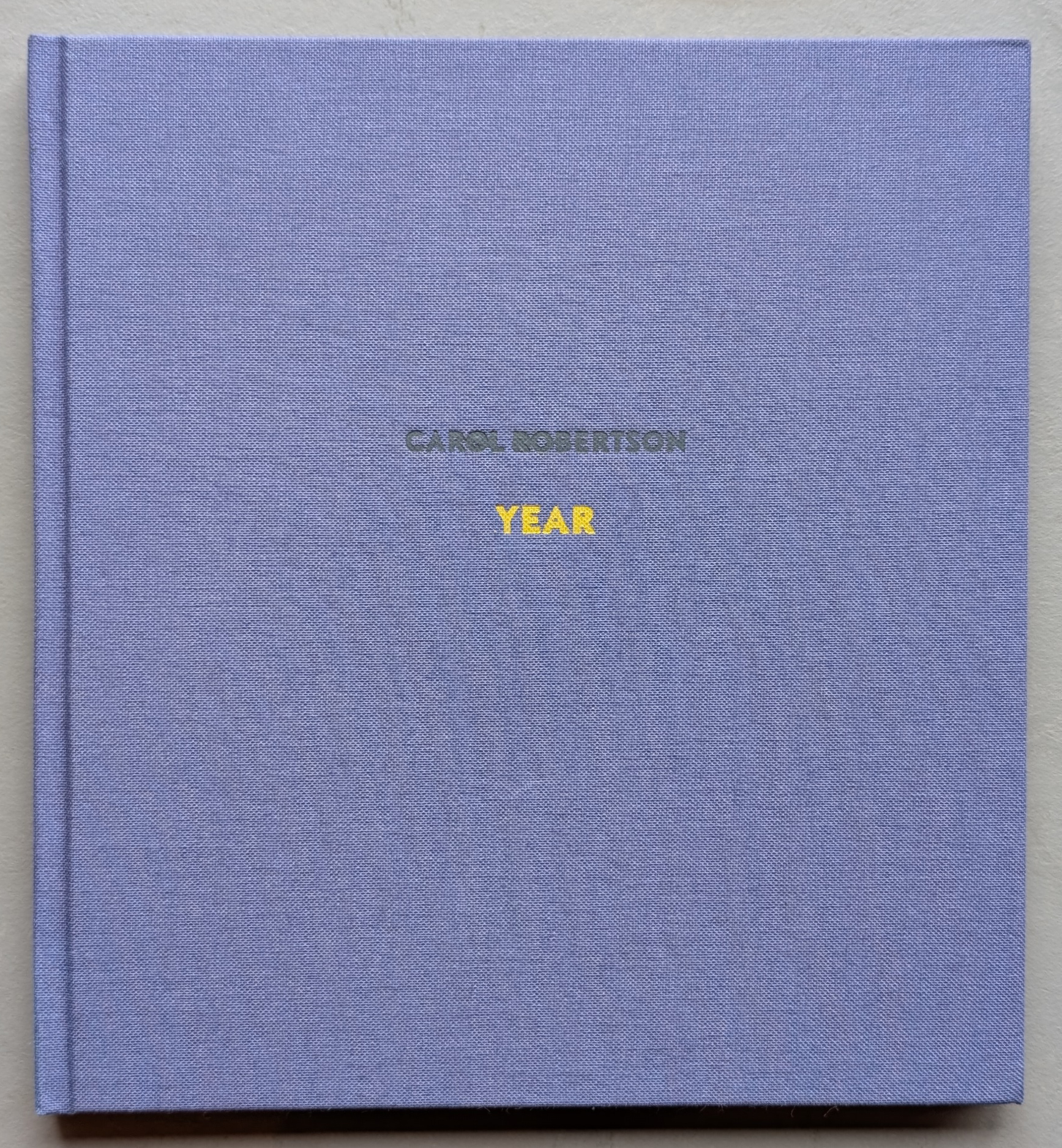
www.ftn-books.com has the signed and limited edition of YEAR by Robertson now available

Posted on

Meet Ina Brekelmans : A Journey in Drawing and Printmaking

Ina is both a visual artist and a drawing and printmaking teacher. As a visual artist, she creates drawings and produces prints: dry needles in combination with watercolor and Gelli-prints. As a printmaking teacher, she has been working at MK24 since 1989, where she started in the printmaking studio and later switched to teaching drawing.

Since March 2021, Ina has been involved as a teacher at Opstap.

www.ftn-books.com has the HUIS TE VRAAG publication now available.

Posted on

Exploring Nature Through Irene Kopelman’s Art

A woman with long, dark hair stands in front of a projected image of sea creatures, smiling. She is wearing a patterned shirt and large earrings.

Born in 1974 in Córdoba, Argentina, Irene Kopelman is a multidisciplinary artist and scholar who has established herself as a force to be reckoned with in the field of visual arts. Holding a bachelor’s and master’s degree in painting from the National University of Córdoba School of Arts, Kopelman obtained her Doctorate in Fine Arts from the Utrecht Graduate School of Visual Art and Design and the Finnish Academy of Fine Arts in 2011.

In 2002, she was selected for a two-year residency program at the renowned Rijksakademie van Beeldende Kunsten in Amsterdam. Currently, Kopelman divides her time between Amsterdam, Argentina, and various locations where her work and research take her. Known for her innovative collaborations with natural scientists, Kopelman brings together the worlds of art and science to explore her main subject of interest: nature.

As a human creator, Kopelman seamlessly blends enigmatic complexity and linguistic dynamism in her craft. She eschews the conventional usage of language employed by artificial intelligence, opting instead for strikingly unique vocabulary that captivates the reader. Her repertoire includes adroitly integrated synonyms, antonyms, and similes that elevate the richness and originality of her compositions.

Inspired by the principles of perplexity and burstiness, Kopelman’s work transcends traditional boundaries and reframes discourse in thought-provoking ways. With a keen eye for detail and a dedication to exploration, she challenges the status quo in the art world and encourages her audience to do the same. Armed with her unwavering passion for the intersection of art and science, Kopelman continues to push the boundaries of creativity and inspire others to do the same.

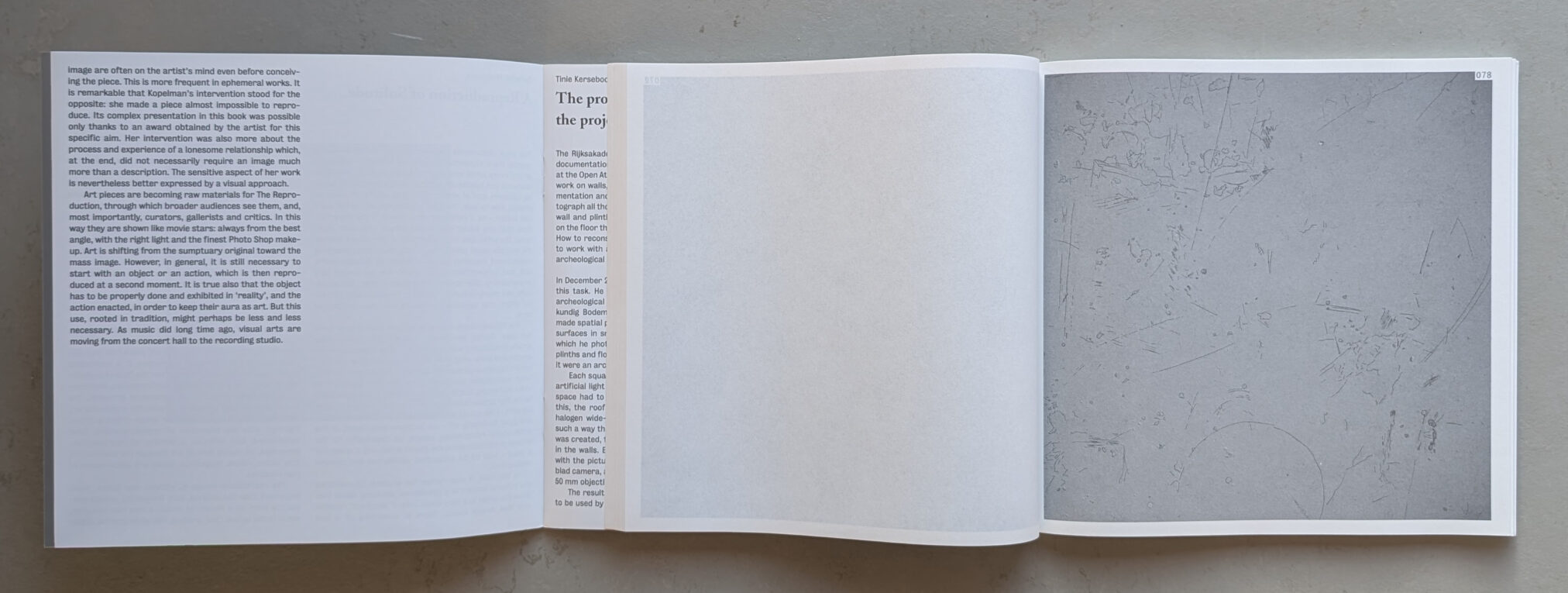
www.ftn-books.com has now the RIJKSACADEMIe publication ” THREE INTERVENTIONS IN SPACE” available.

An open book displaying two pages with text and an abstract image, highlighting the interplay between art and its documentation.
Posted on

Lucius Burckhardt: A Pioneer in Sociological Thought

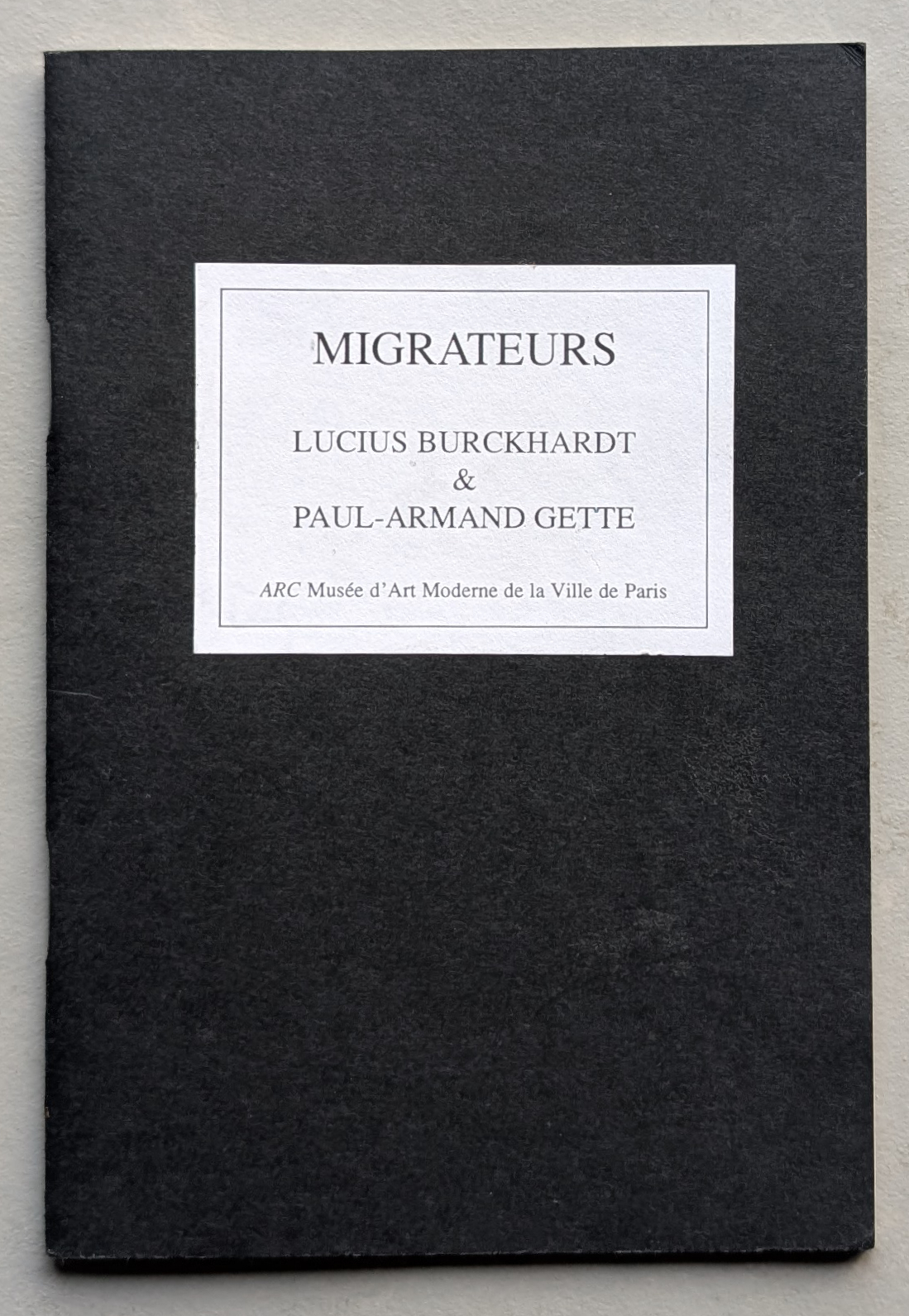
Lucius Burckhardt, a renowned thinker and academic, dedicated his studies to the complexities of sociology and national economics, earning his doctorate from the University of Basel in 1955. Throughout his career, he traversed various institutions, including the University of Münster, Hochschule für Gestaltung Ulm, and ETH Zurich, before ultimately settling as a professor at the Gesamthochschule (now known as the University) Kassel from 1973 to 1997. Alongside his beloved wife Annemarie, Burckhardt delved into the concept of Spaziergangswissenschaft (promenadology), a sociological method aimed at heightened awareness and attentive observation of one’s surroundings. His extensive research and musings on the intersection of sociology and architecture cemented his role as a pioneer in participatory planning and development.

www.ftn-books.com has the Burckhardt/ Paul_armand Gette publication from 1995 now available.
Posted on

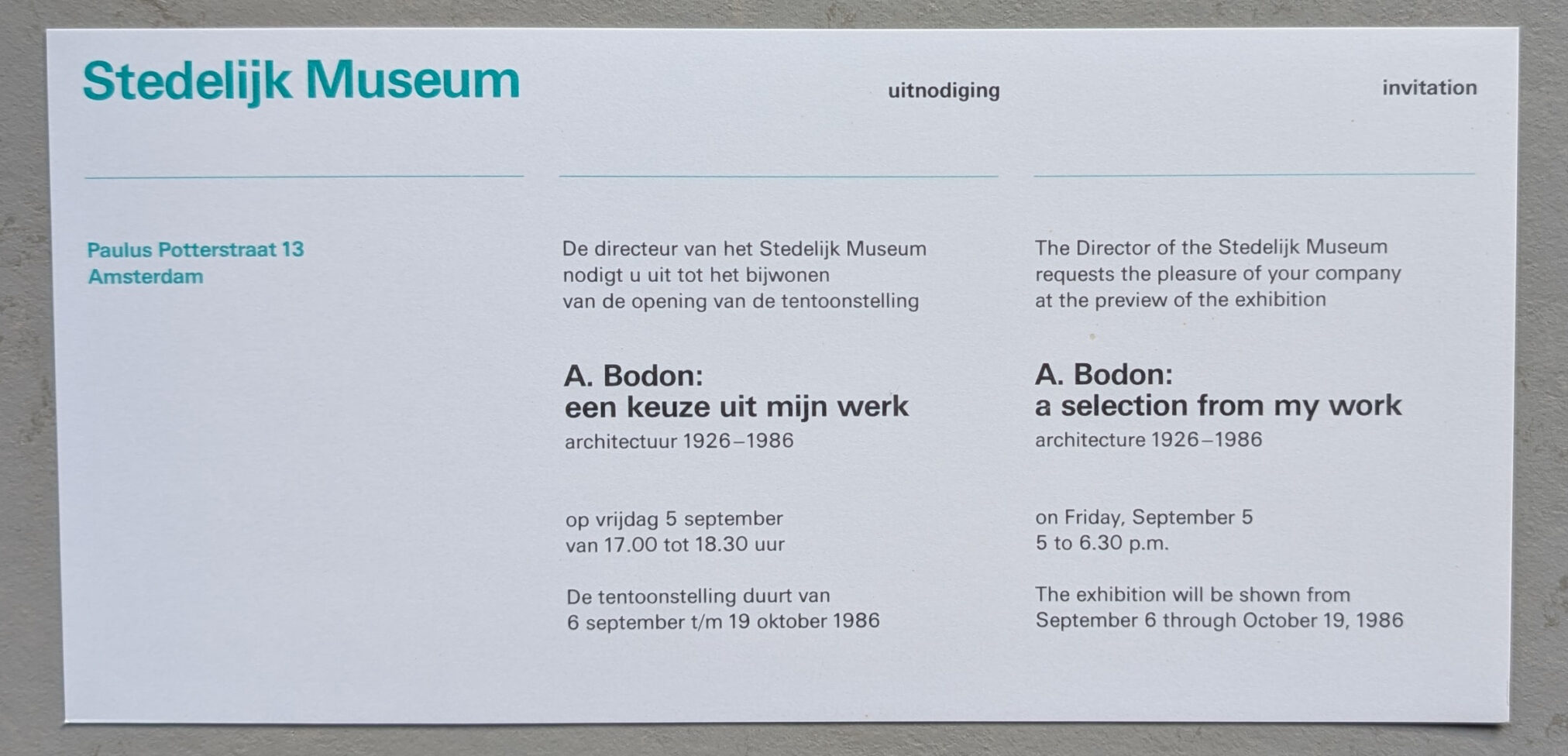
The Art of Subtlety in Alexander Bodon’s Works

The finest work of Alexander Bodon (1903-1993) is characterized by delicacy and transparency. In Bodon’s view, architecture was a humble craft, where buildings should not take center stage and should remain free of trendy additions. Bodon, of Hungarian descent, trained as an interior architect in Budapest, but after an apprenticeship in the Netherlands, at the office of Jan Wils, he no longer felt at home in what he saw as a conservative Hungarian architectural climate. In the Netherlands, he became enamored with the New Objectivity movement. In 1929, he returned to the Netherlands to settle permanently. Three years later, he gained fame for his renovation of the narrow and deep Amsterdam bookshop, Schrˆder en Dupont, where a skylight, narrow galleries along the bookshelves, and graceful steel structures allowed for an abundance of light and space. Bodon designed countless furniture pieces, interiors, stands for exhibitions and fairs, and even entire exhibitions. Gradually, his practice shifted towards architecture. During the post-war reconstruction period, he designed several housing complexes. However, he struggled with tight budgets that often limited his creative freedom as an architect. After architect A. van der Steur designated him as his successor for the expansion of the Boymans-Van Beuningen museum on his deathbed, Bodon had the opportunity to express his passion for technological innovation at his old firm, including the massive spanning of the Europahal at the Amsterdam RAI complex.
www.ftn-books.com has several Bodon publications available.