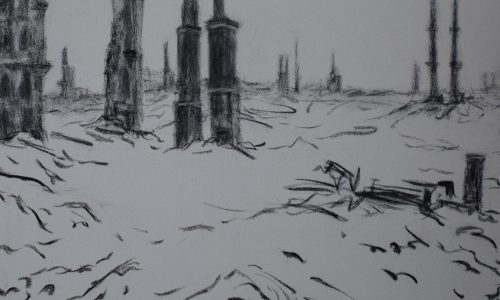
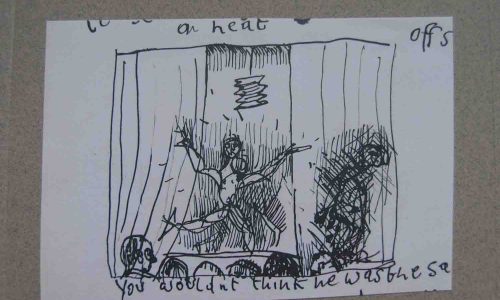
Dutch sculptor, interior designer, painter, draftsman, video artist.
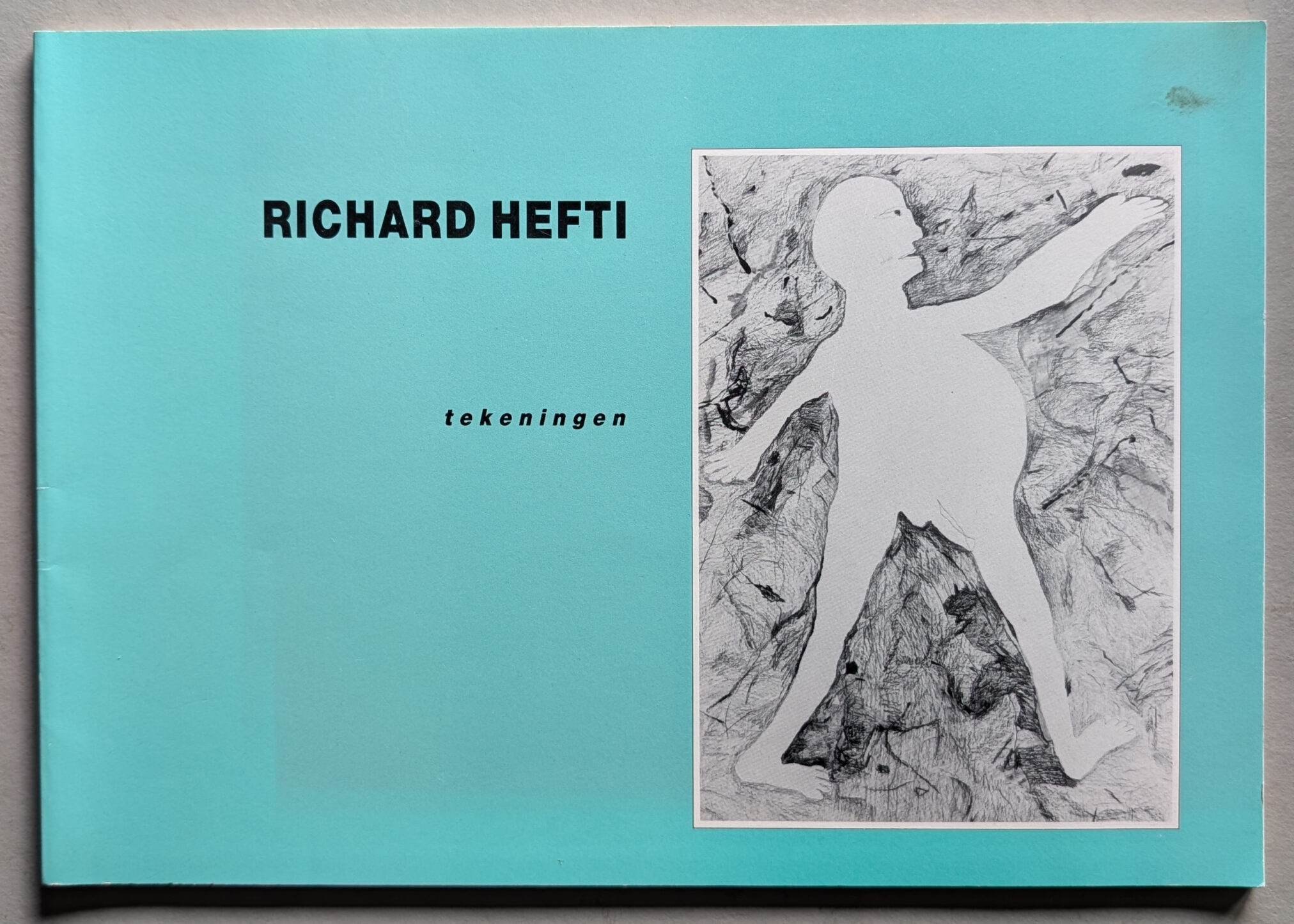
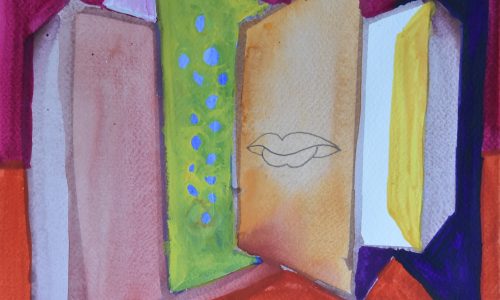
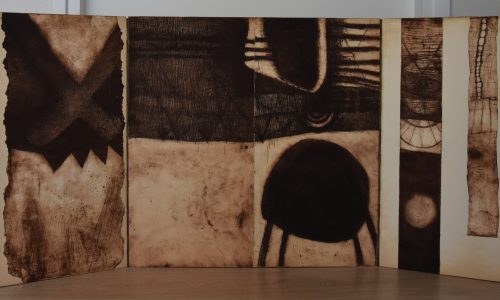
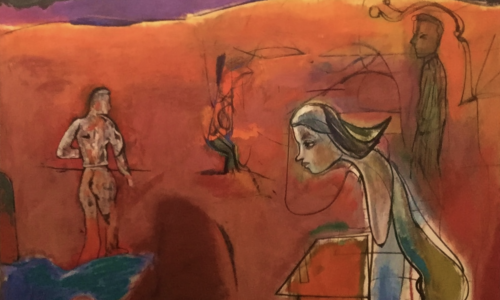
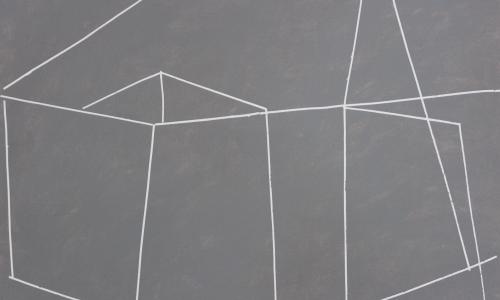
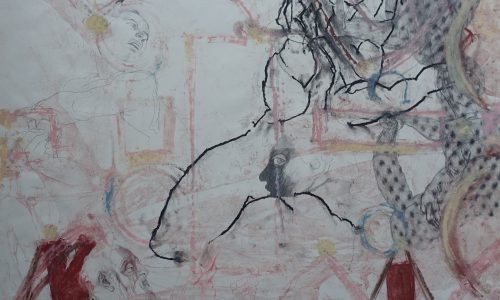
Drawing was originally a pursuit for Hefti as an interior designer. He received his education at the AKI in Enschede. There, he came into contact with people such as Aldo van Eyck. In 1964, he definitively chose the path of a free artist. Until the early 1980s, Hefti worked in a style that showed a strong resemblance to conceptual art. Given the great variety in styles – some works bordering on realism – his conceptual approach seems to not be based on a deliberate ideology.
I have recently added one of the most important art posters from the 20th century. it is the DER AUSFLUG NACH BAGITZMIT ABSTECHER NACH BASELITZ. This poster was published durung the historical event of the ” fall of the wall”.
Announcement for the Exhibition (Printing Phase 2): “The Excursion to Bageritz with a Side-Trip to Baselitz” in 1989 in Cologne – the Final “Germany” Ink Print in Black and Red with Sub-Line: “Women’s Movement and Ground Sculpture” (Featuring Seven Ladies in Deutschbaselitz) – 60 x 42 cm – 1988/89.
Based on Extensively Developed GDR Documents, the Series of “Instant History Paintings” by Norbert Messler Comes to Life. The Ernesto + Krips Gallery Presented the Photo/Painting Works in the Summer of 1989, as well as at ART COLOGNE’s “Förderkoje für junge Kunst”. With the Art Market Opening Just Days After the “Fall of the Wall” (on November 9), the Bageritz Works Became the Most Current Artist Position at the Prestigious International Art Fair, ART COLOGNE ’89.
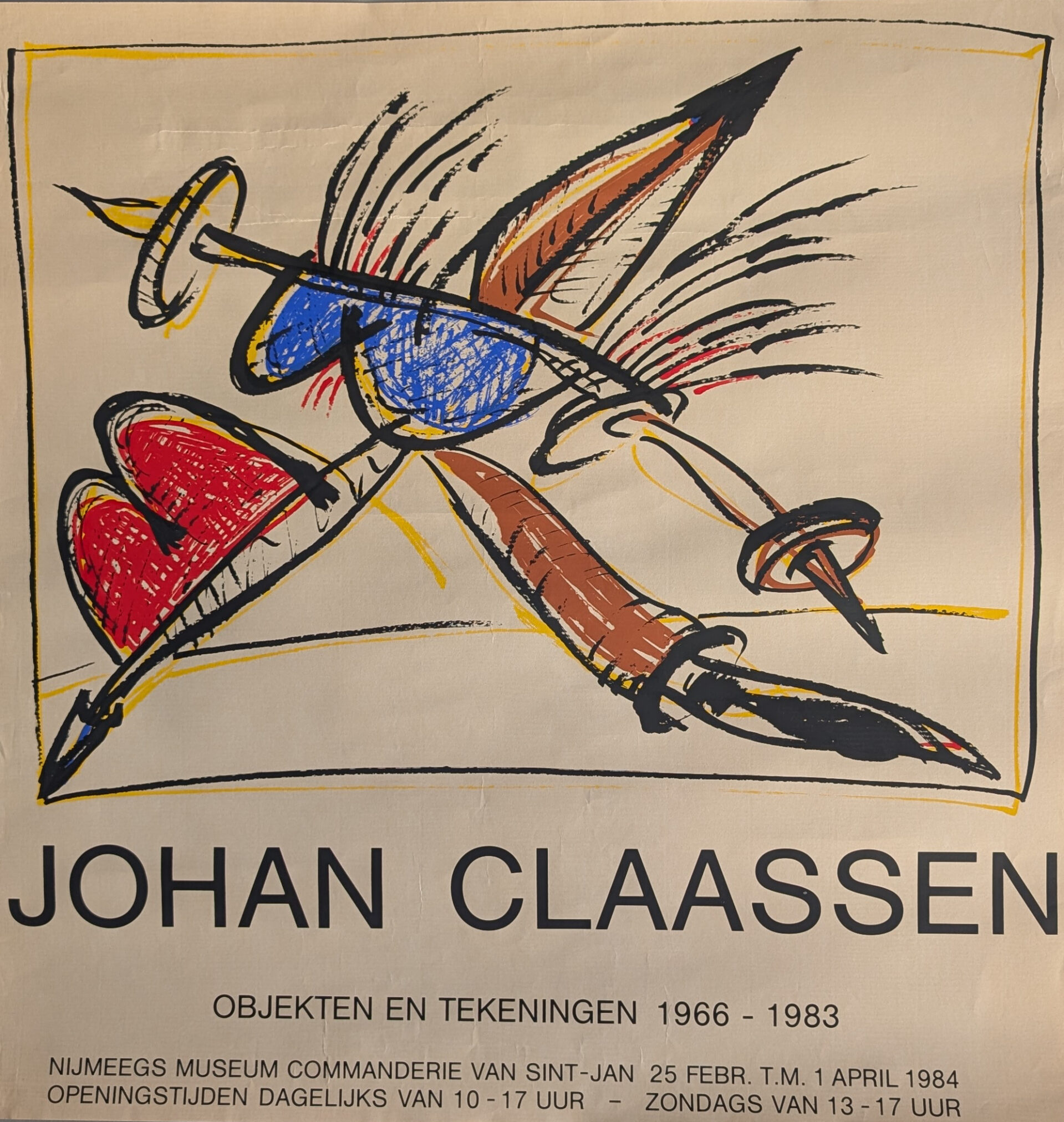
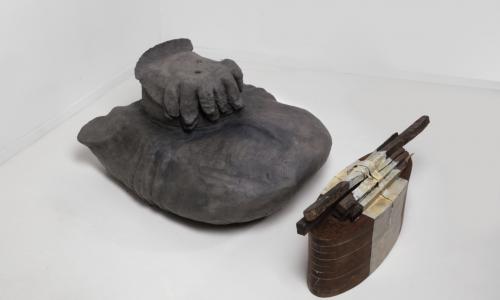
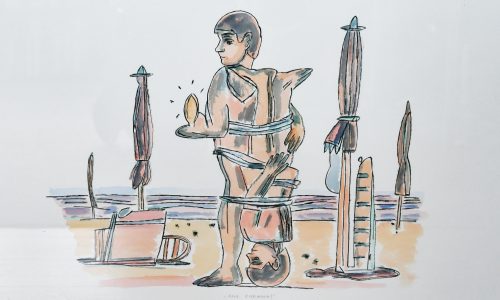
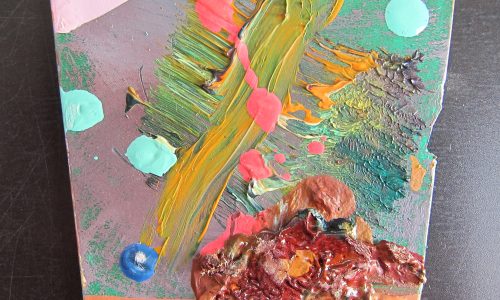
Johan Claassen, born in 1943 in Beek en Donk, grew up as a farmer’s son and attended the Academy for Art and Industry (AKI) between 1963 and 1966. He dabbles in a variety of mediums, including assemblage art, sculpture, painting, drawing, and printmaking. Throughout the years, he has also imparted his knowledge at various academies.
He currently resides and works in the forests of Brakel with his wife, artist Dorien Melis. Some recurring themes in his work include the human laboring in nature, love, and everyday happiness. He documents found objects and incorporates them into his associative assemblages. He once built a cloud observatory near the Ijsselmeer. He also created aeolographies by letting the wind create drawings. On long car journeys, he let the centrifugal force guide his hand. In his book “AEOLOS” (2009), he delves into what drives him.
The artwork of Johan Claassen can be found in prestigious collections such as the Frans Hals Museum in Haarlem, the Stedelijk Museum in Amsterdam, and the Beelden aan Zee Museum in Scheveningen.
www.ftn-books.com has the Nijmeegs MUseum poster for his exhibition now available.
Captivated by the written word, concrete poetry, and the elegance of language permeating our everyday lives, American artist Erica Baum can be aptly described as a “poet-photographer.”
With her effortless implementation of tactics reminiscent of the Pictures Generation, conceptual art, and minimalism, Erica Baum has cultivated a distinct and authentic visual language. For the past two decades, her enigmatic close-ups of books, newspapers, and other printed material have delved into the intricacy, customs, and fundamentals of photography, continuously “rematerializing” its visual, tactile, and thematic qualities.
Erica Baum’s works possess a unique “photographic” quality: alongside the transitory and ephemeral nature of the constant flow of images, she imbues a tangible presence and a meticulous interest in the material context of photography. By capturing her series of photographs in intimate close-ups, honing in on unexpected details with a shallow depth of field, she evokes a poetic force: indexical precision paired with abstract and timeless qualities, akin to a collage, fragmented but with a strong narrative essence; seemingly mundane and trivial, yet imbued with meaning.
Baum’s photographs hold a special emotional resonance – each possesses a soul and commands utmost attention. They challenge and confirm in the most fundamental ways: text, image, writing – their essence, significance, and purpose – a profound understanding of our cultural society.
Erica Baum is a renowned figure in the realm of photography, acclaimed for her diverse series that capture the interplay of text and imagery within found printed materials. These range from commonplace paperback books to detailed library indexes and, most recently, sewing patterns. With an MFA from Yale University in 1994 and a BA in Anthropology from Barnard, Columbia University in 1984, Baum’s background is as varied as her artistic pursuits. Her work has been curated by prominent institutions such as the Whitney Museum of American Art, the Solomon R. Guggenheim Museum, and the Metropolitan Museum of Art in New York, as well as MAMCO in Geneva, the Albright-Knox Art Gallery in Buffalo, and the Centre National des Arts Plastiques in Paris.
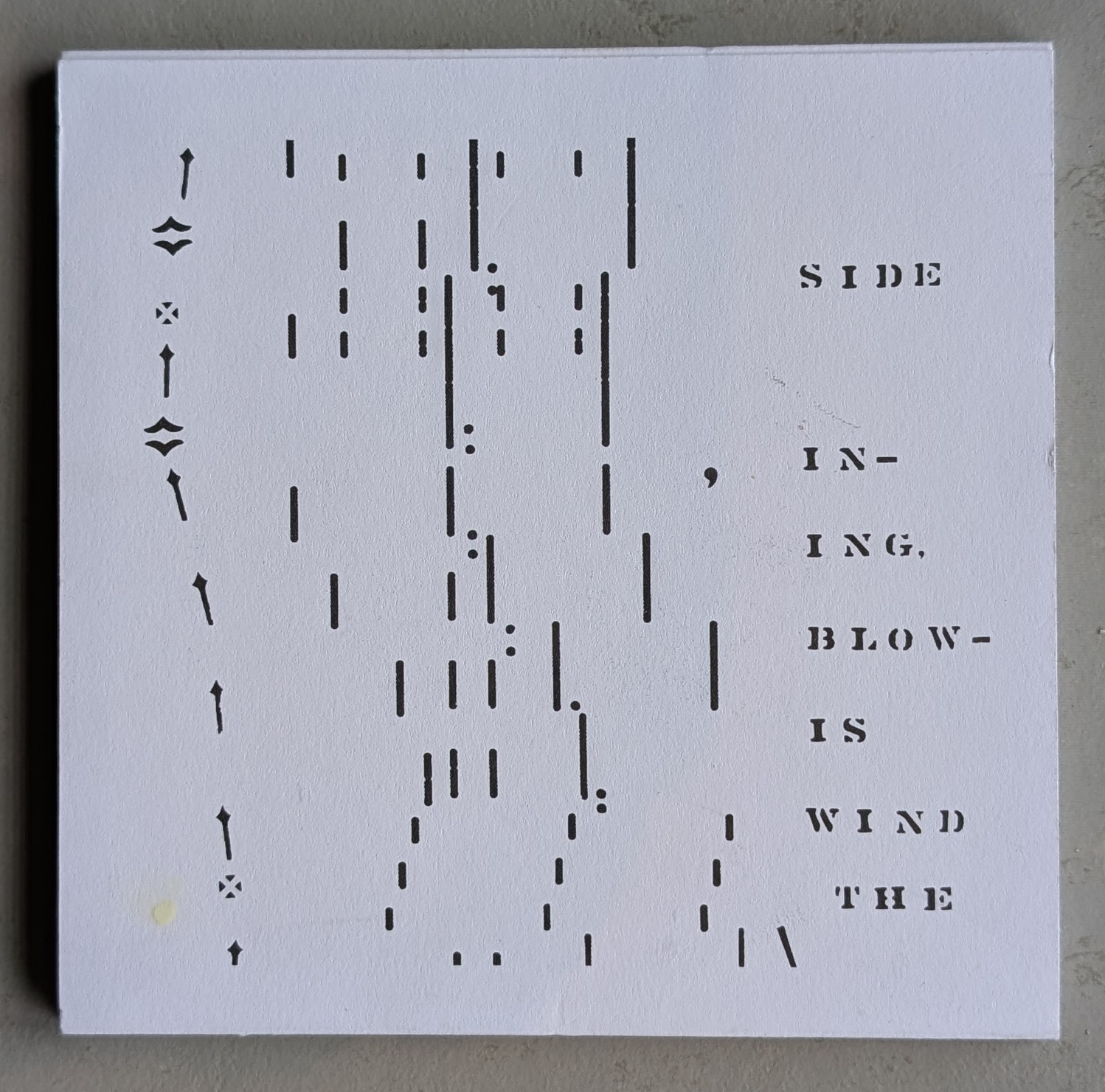
Similar to early versions of computer punch tape, player piano rolls use a unique machinic language made up of holes. Each perforation represents a specific note, triggering music without the need for a live performer. In Erica Baum’s photographs, the holes are captured as a series of dots and dashes, transforming these relics from the Edwardian era into something intriguing and unfamiliar. Through this subtle reframing, new layers of meaning are unlocked, just beyond our grasp. What language do they now convey to the human reader, rather than the pianola? These images possess an enigmatic quality akin to visual poetry, a puzzle of symbols and codes, even the cliched song lyrics – rising vertically on the page – transformed into fragmented and cryptic verses.
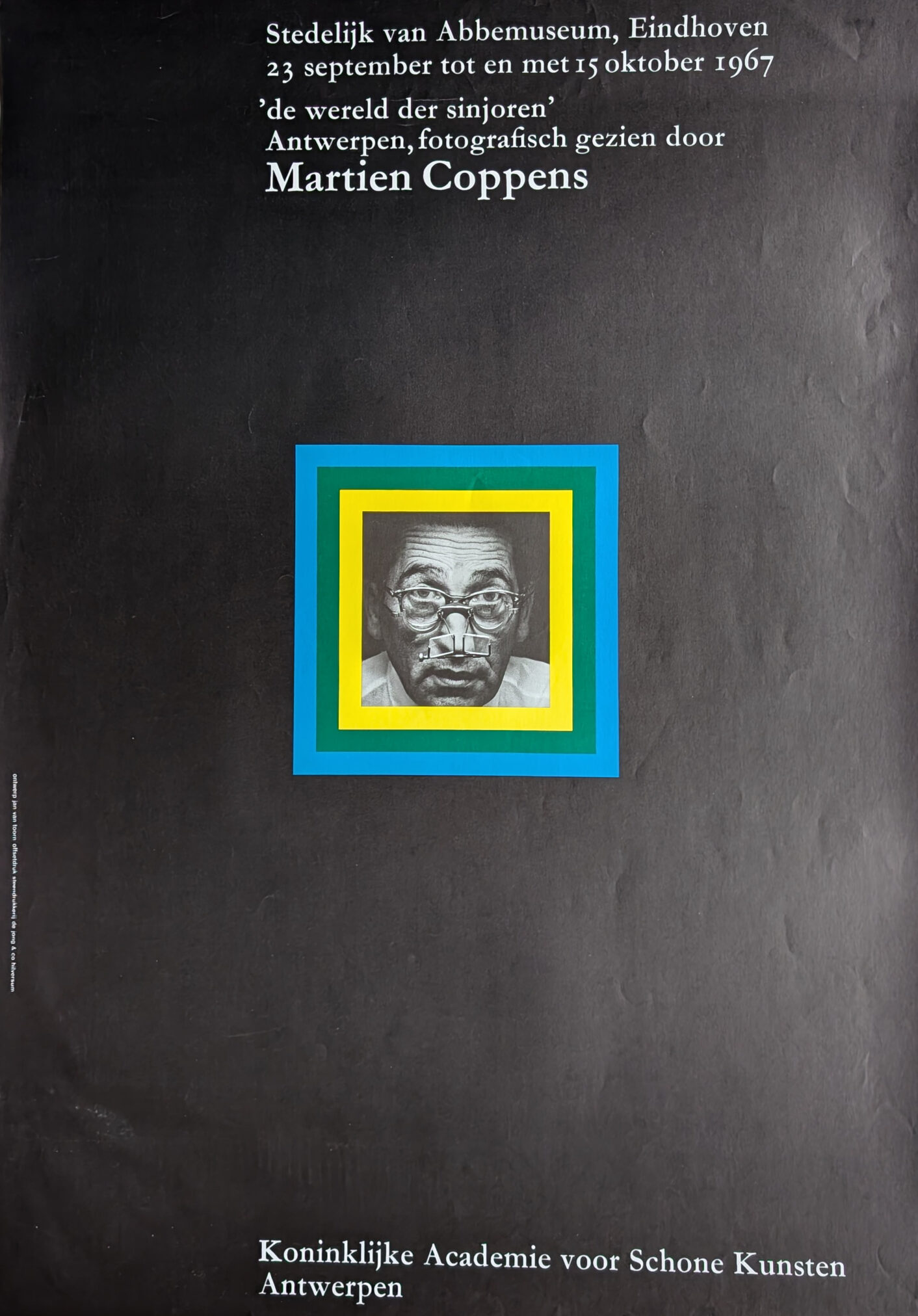
Born to a clog maker in the village of Lieshout in Brabant, Martien Coppens became captivated by photography during his high school years. After graduating, he worked in the clog making industry for a few years before deepening his photographic knowledge through the magazine Focus. Through connections with editor-in-chief Adriaan Boer, young Coppens was encouraged to turn his passion into his profession and pursue an education at the Bayerische Staatslehranstalt für Lichtbildwesen in Munich (1930-1931). He summed up his experience there: “They wanted to capture people in a natural way. Photography was practiced in its essence, exactly as it was, sharp and accurate, but in a perfect technique.” (Business Photography, October 1933) This would become a guiding principle for his entire body of work.
After a brief stint with Kees Helder in Middleburg, Martien Coppens opened his own studio in Eindhoven in early 1932. In 1937, he made a name for himself with his first self-published book, Around the Peel. His romantic and sculptural approach to portraiture was further developed during the war years in books about medieval religious art: The Church Benches of Oirschot (1941) and Thoughts in Stone (1942).
Following his liberation, Coppens transformed in both word and image into a tireless champion of photography as an artistic product, personal means of expression, and object of beauty. This is evident in his works such as De mensch in de fotografie (1946), Fotokunst? (1947), and Mens en camera (1950), as well as over sixty post-war photo books. He combined his involvement in local photographic professional organizations with intensive international contacts. These collaborations resulted in the exhibition Vakfotografie 1950, curated by Coppens for the Stedelijk Van Abbemuseum. Shortly after, he met German photographer Otto Steinert, who advocated for a form of ‘subjective photography’ that was closely aligned with Coppens’ own beliefs. An important example of this was Monsters van de Peel, which was released in 1958 by printing and publishing company Lecturis in Eindhoven as a corporate gift.
www.ftn-books.com has now the van Abbemuseum poster for the Coppens exhibition available.
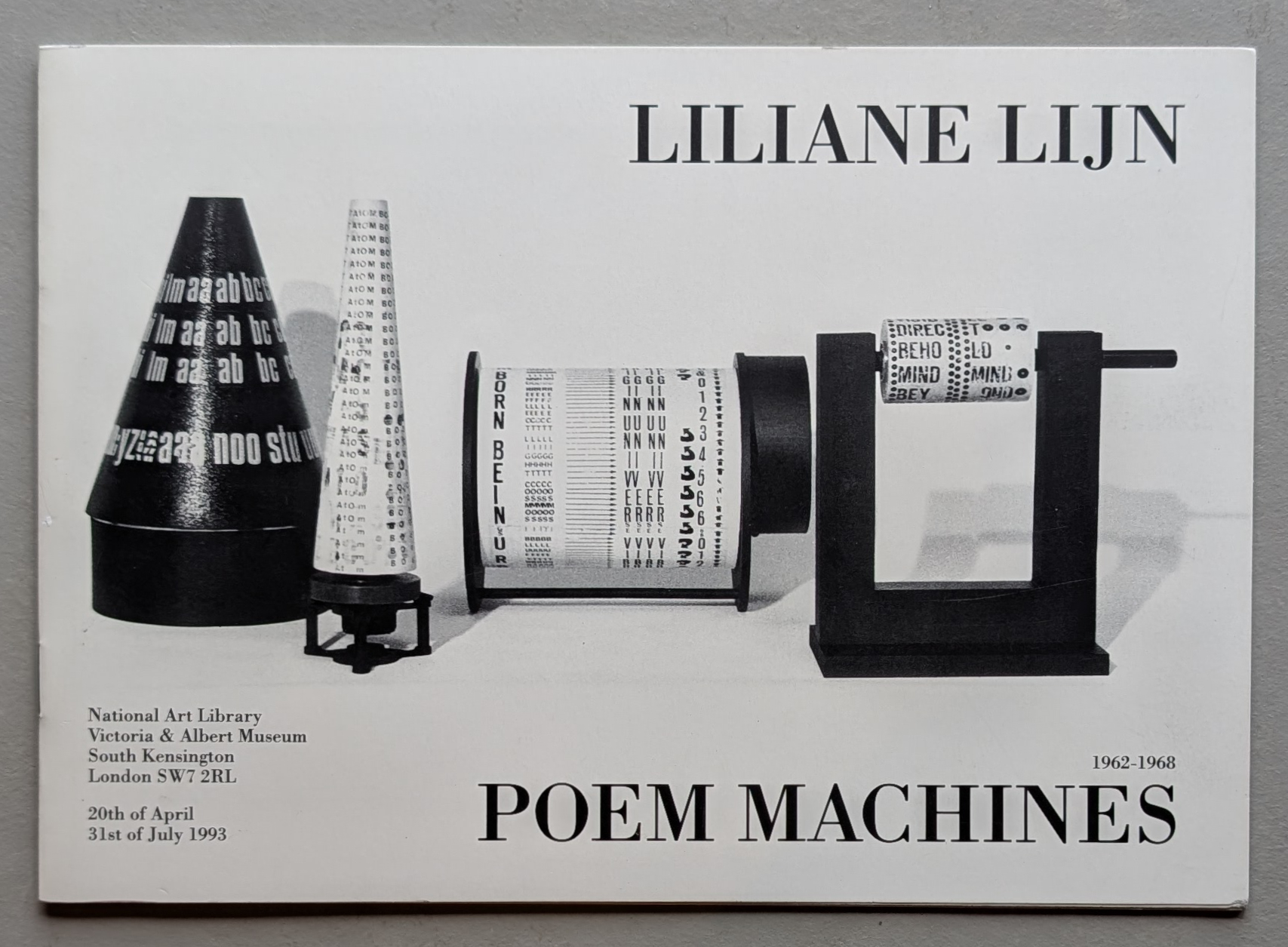
“Man is Naked” (1965) belongs to a collection of Poem Machines initiated by Liliane Lijn (1939, New York) in 1962. This series epitomizes Lijn’s exploration of kinetic art, light, movement, and text. Inspired by the light refraction research of French physicist Augustin Jean Fresnel, Lijn aimed to manifest the visual representation of sound. In the initial Poem Machines, a motorized metal drum rotates at such great speed that the audience is confronted with the vibrations of words, rather than a legible text. “Man is Naked” – the first component of the series to incorporate Lijn’s own writing – rotates at a slower pace, allowing the words to hover and disrupt the linear syntax of the poem. This creation preceded Lijn’s utilization of computers and can be perceived as anticipating the symbiotic relationship between machines and language, as well as computers and code. It also evokes early computing machines that utilized a system of revolving wheels to execute calculations.
The POEM MICHINES publication from 1993 is now available at www.ftn-books.com
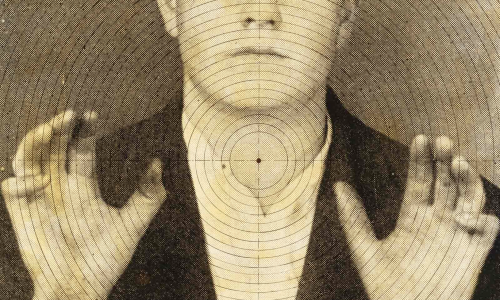
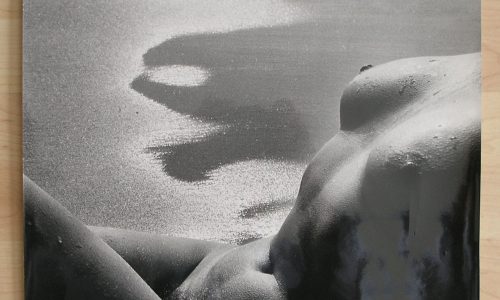
Dieter Appelt is primarily recognized as a photographer, yet he also delves into the realms of film, videos, sculptures, and performances. In the mid-1950s, he studies music and vocals in Leipzig. After his relocation from East to West Berlin in 1959, he begins to capture moments through photography, with a strong affinity for experimentation, influenced by the innovative German photographer Heinz Hajek-Halke. He remains closely connected to the opera choir in Berlin for a long period of time. During the early 1960s, after the construction of the Berlin Wall, various experimental artistic groups emerge, such as Fluxus and Joseph Beuys and his entourage. Although Appelt never joins any of these groups, they serve as a source of inspiration for him. In the same time period, the artist travels to Japan for an extended period of time, where he is deeply impressed by Zen philosophy, with its emphasis on inner reflection as the basis for finding the ultimate balance between body and mind.
It is not until 1973 that Appelt presents a series of experimental photographs, in which he adopts suffocating poses against a glass wall, behind which the camera is positioned. These photos already encapsulate two key themes in Appelt’s work: the use of his own body and the illusion of multiple spatial dimensions within a two-dimensional photographic image. Between 1975 and 1985, the artist focuses on the “sculptural” use of photography as a medium. Through theatrical actions, he explores the human desire for transcendence with his body, often “modified” with natural materials such as plaster and wood. In 1982, Appelt becomes a professor of film, video, and photography at the Academy of Fine Arts in Berlin. His work becomes more conceptual, as he exposes objects to the two essential pillars of photography: light and movement. In doing so, he no longer sees the camera as an “author,” but rather lets it simply record.
Partly inspired by the futurists, Appelt creates for the first time photo works consisting of multiple images. Movement, time, and three-dimensionality are strongly emphasized as a reaction to the ‘omnipotence’ of the static two-dimensional photographic image. In the early 90s, Appelt revisits his photography from the 70s, where he used his body as a tool. He reinterprets various older works, employing the conceptual techniques he acquired in the 80s.
Follow in the footsteps of the futurists, Appelt’s newest creations are a fusion of multiple images, imbued with a sense of motion, time and depth. This serves as a bold response to the perceived supremacy of traditional static photography. In the early 1990s, Appelt revisits his earlier photographic works, which made use of his body as a tool. With a conceptual approach honed in the 1980s, he reimagines these pieces, breathing new life into them.
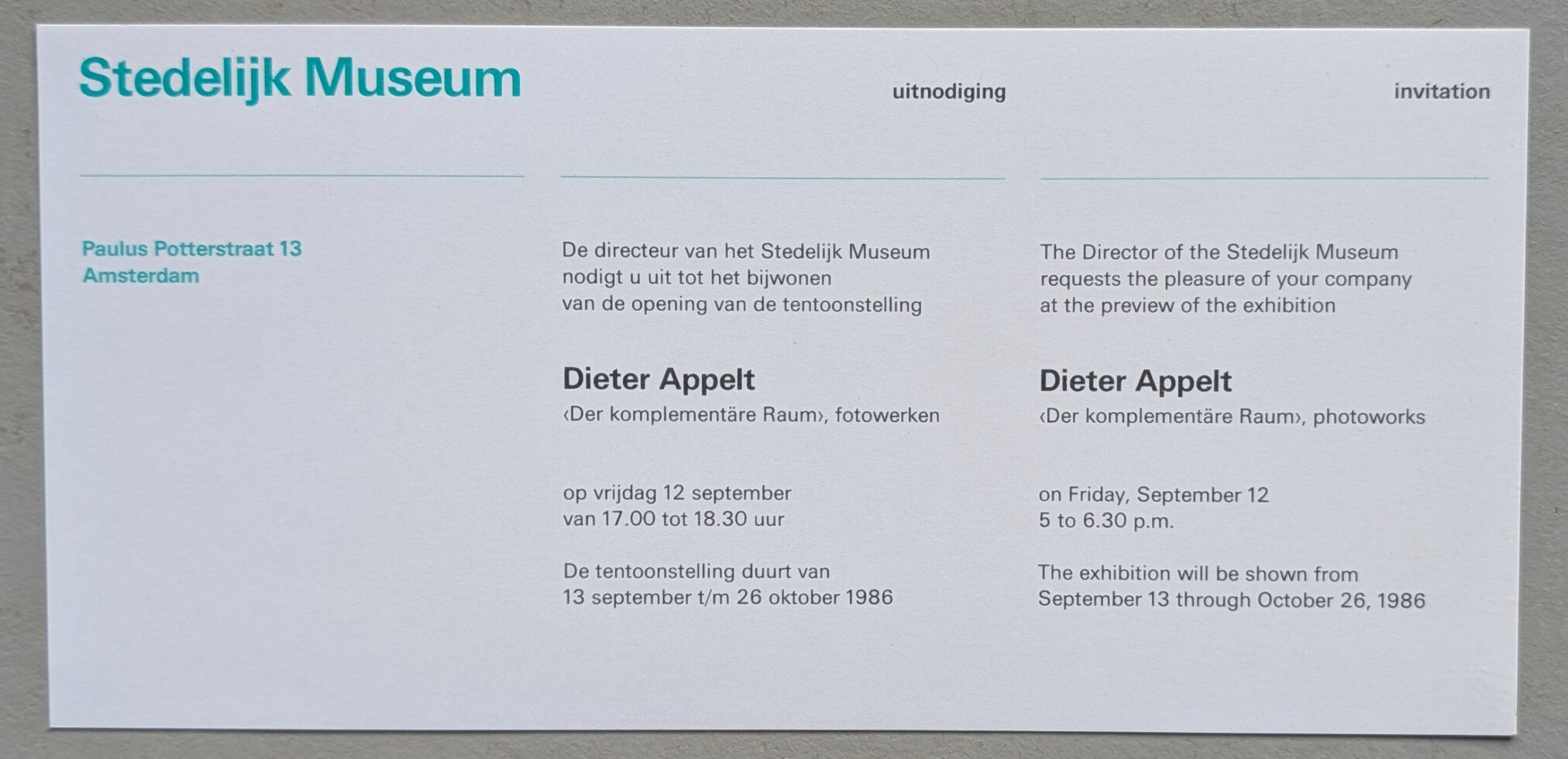
Beside the invitation for the Appelt exhibition at the Stedelijk, www.ftn-books.com has several other Appelt items available.
Sharon Kivland’s oeuvre is distinguished by an exploration of systems, language, gender, and history, often utilizing literary and psychoanalytic references, particularly from Freud and Lacan. She employs a variety of media, including photography, embroidery, drawings, and artists’ books, and her style is described as refined yet unconventional, exhibiting a blend of affection and irony.
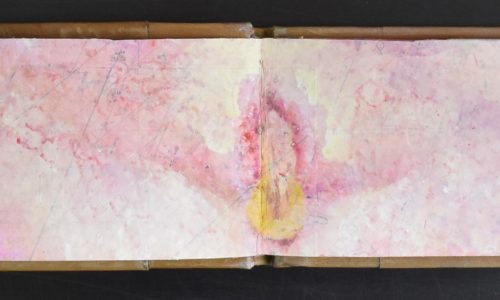
Crafted in celebration of the eponymous project at The Bartlett School of Architecture, University College, London, this publication presents twelve phrases that run uninterrupted throughout. Adorned in a delicate rosy hue, reminiscent of Chanel’s ‘Allure’ fragrance packaging, these phrases draw inspiration from the descriptions of scents found in airline in-flight magazines. However, with slight alterations, they transform into descriptions of a woman – a self-absorbed, eccentric woman, fixated on her physical appearance. The title itself holds a dual meaning: in English, it conveys a sense of confidence and elegance, while in French, it alludes to one’s keen sense of smell or ability for intuition and insight.
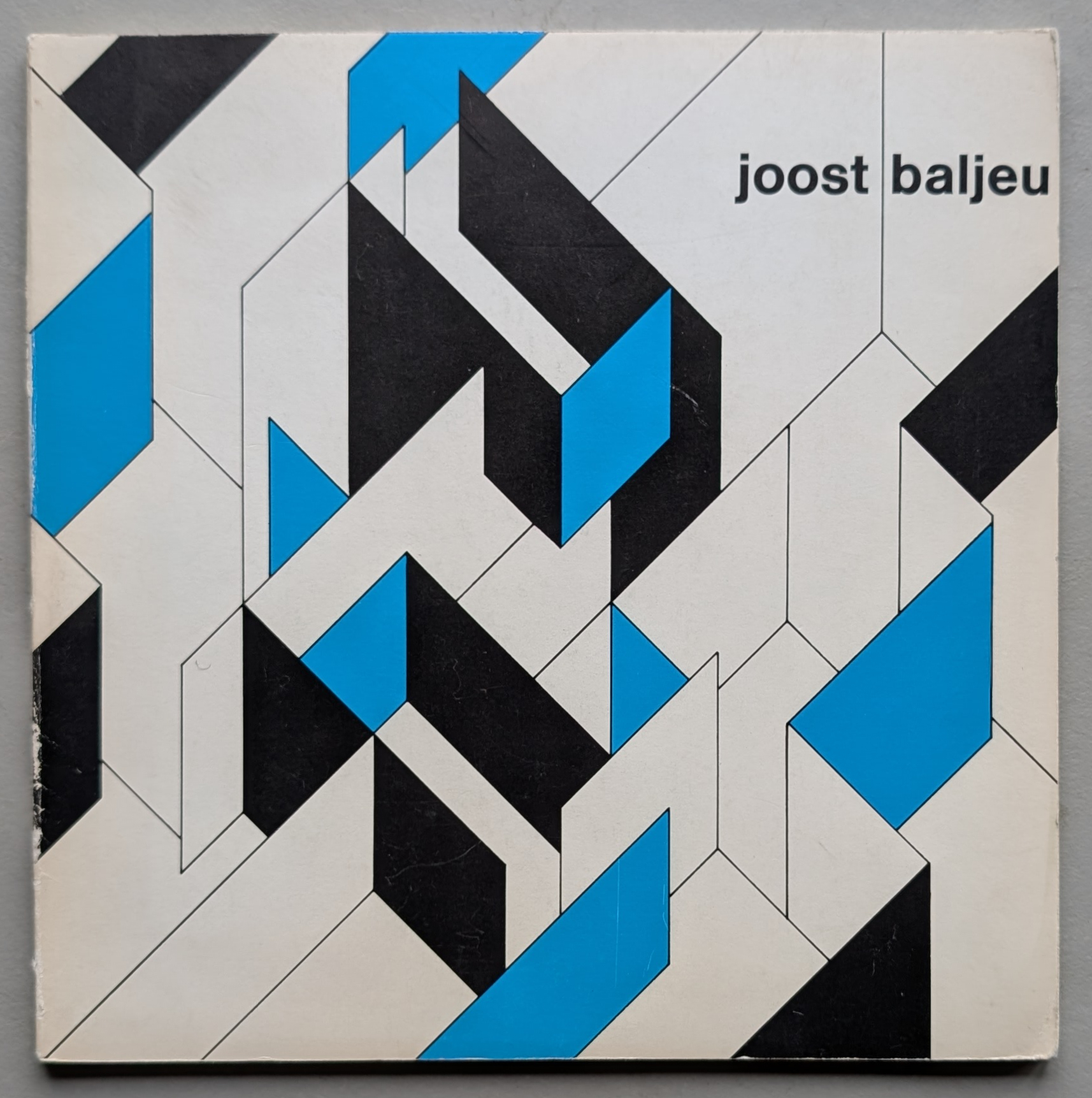
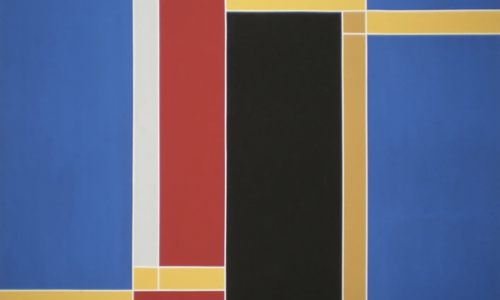
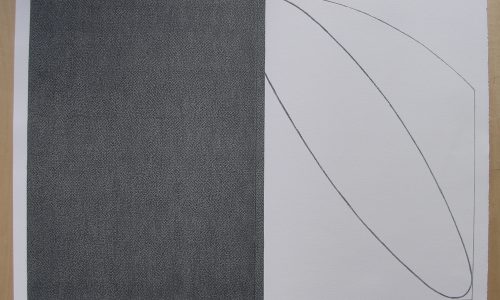
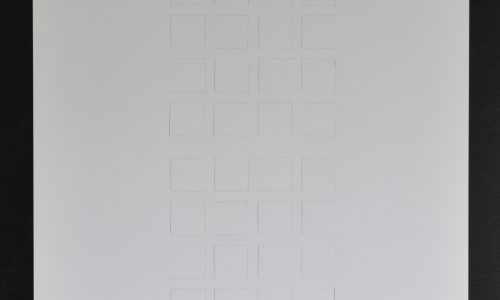
Joost Baljeu was a sculptor, painter, architect, graphic artist, and publicist. He received his education at the Institute for Art Education in Amsterdam (1943-1945) and worked as a painter. Initially, Baljeu created realistic landscapes, cityscapes, and still lifes. In 1950, like many artists at the time, he began to explore international movements of artistic innovation before the Second World War, such as cubism and the abstract art that emerged from it. He was particularly inspired by the artists of De Stijl, with their geometric and abstract visual language. In 1954, he created his first design for a relief for a community center in Amsterdam. The requested design was meant to showcase the integration of architecture, painting, and sculpture. He followed a method previously employed by Piet Mondrian and Theo van Doesburg, and became fascinated by the architectural applications of reliefs. From that moment on, he stopped painting. In 1956, he created his first constructivist and abstract wall sculptures, consisting of colored planes. In 1957, to emphasize the spatial quality, he mounted the planes at right angles to each other.
Baljeu also drew inspiration from developments in France, where, in the 1950s, artists created spatial color constructions. A faithful follower of Mondrian, Jean Gorin of the Group Espace was among them. Gorin had first met Mondrian in 1926 and became his friend. He remained true to Mondrian’s idiom, neoplasticism. In turn, Baljeu met the twenty-six years older Gorin in Paris. Their friendship brought Gorin to Amsterdam several times, including in 1967 for a retrospective exhibition at the Stedelijk Museum.
From 1957 to 1972, Baljeu was a teacher at the Royal Academy of Fine Arts (The Hague). Several museums have his work in their collections, including the Mondriaanhuis in Amersfoort and the Kröller-Müller Museum.
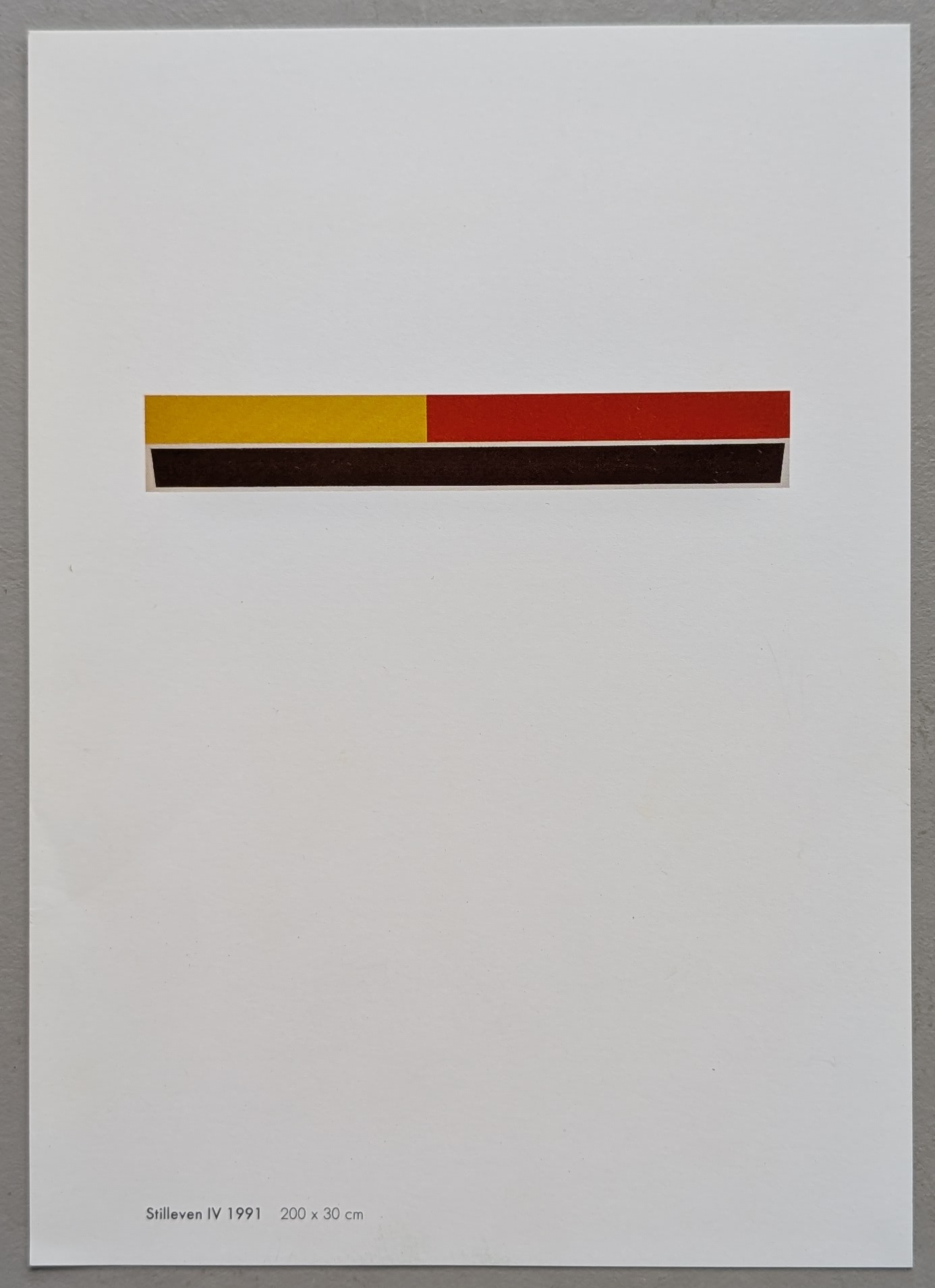
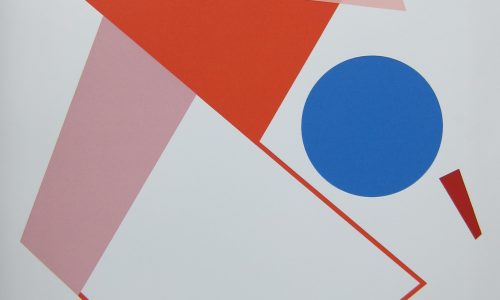
Jan Roeland (born in IJsselmuiden, 1935) portrays everyday objects, often in a series. Envelopes, boxes, planes, ducks, and tables are some of his muses. Roeland transforms these objects from their realistic form into a “flat” version. His unique perspective and simplification of the subject are evident in each piece. According to Roeland, the object must “disappear” and take on a new form. For instance, a duck is reduced to a few round shapes – serving as body, head, eye, and pupil – with a triangle representing its beak.
At first glance, Roeland’s paintings do not always reveal their subject. The tables and plants he paints require the help of their titles to be identified. This is further emphasized by his use of non-realistic colors. For example, plants are mustard or white yellow, while tree trunks can be green or orange.
Roeland has a precise painting style. Almost all of his planes, shapes, and lines are monochrome, solid, and flat. He equally paints the shape around the object, while the remaining space seems to stand on its own. This is especially evident in his series “Tables.” The painted tables seem to frame what makes them a table: the space underneath where you can slide in your chair and rest your legs.
In his final composition, there is a tension created by the interplay of bright colors, strong lines, and geometric shapes.
“I like to explore a theme until I’m sick of it. At the point of oversaturation, the tension disappears. And that’s when the tension for something new starts, usually with a drawing.”
Apart from oil paintings, Roeland also creates drawings and graphics. He is a self-taught artist whose work has been exhibited in various galleries, including Slewe Gallery (Amsterdam), Galerie Nouvelles Images (The Hague), Rijksmuseum Twenthe (Enschede), and the Stedelijk Museum Schiedam.
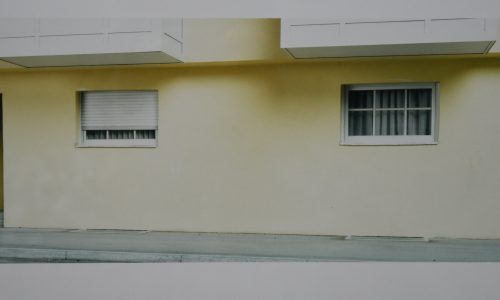
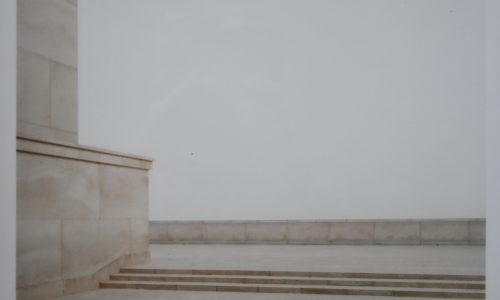
Artist/ Author: Oliver Boberg
Title : Memorial
Publisher: Oliver Boberg
Measurements: Frame measures 51 x 42 cm. original C print is 35 x 25 cm.
Condition: mint
signed by Oliver Boberg in pen and numbered 14/20 from an edition of 20