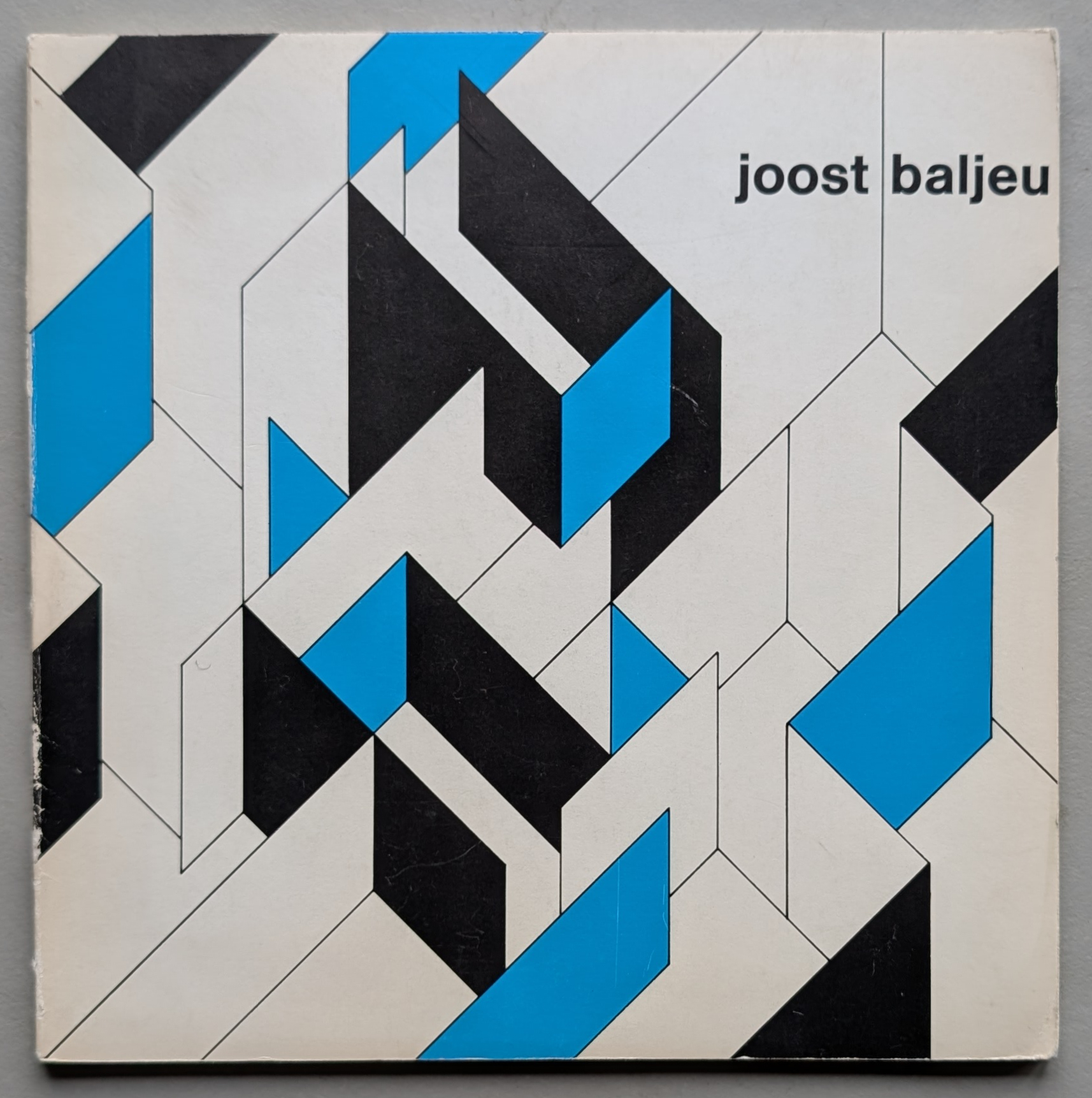
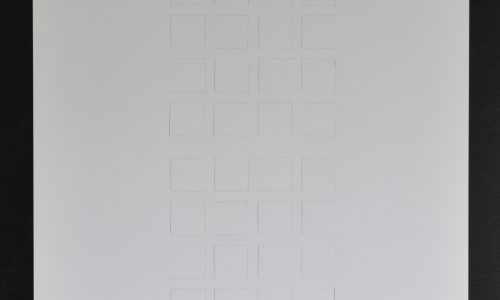
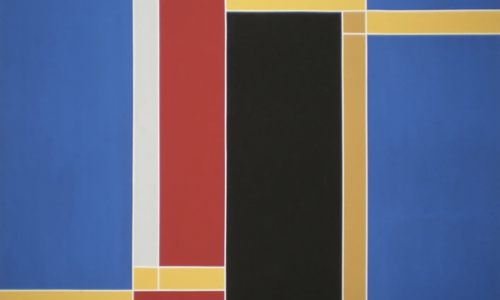
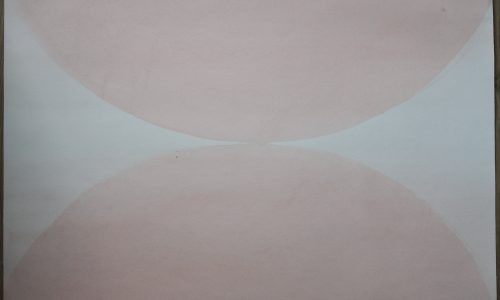
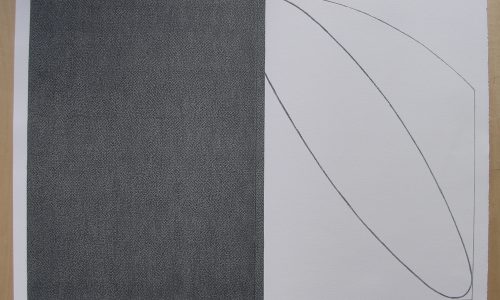
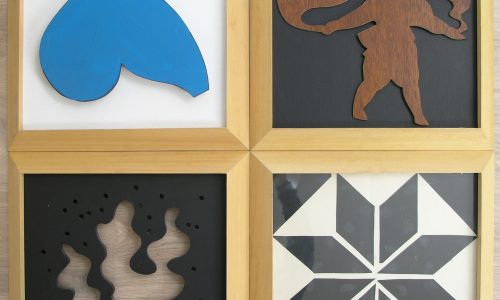
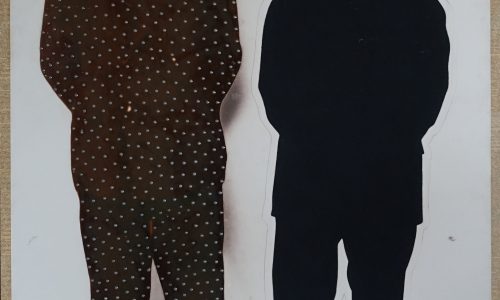
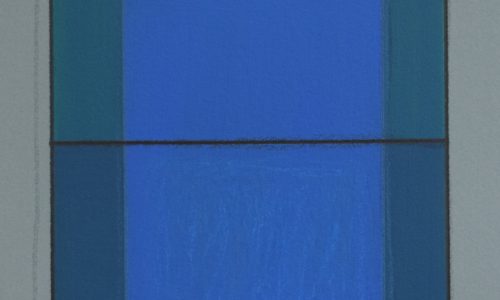
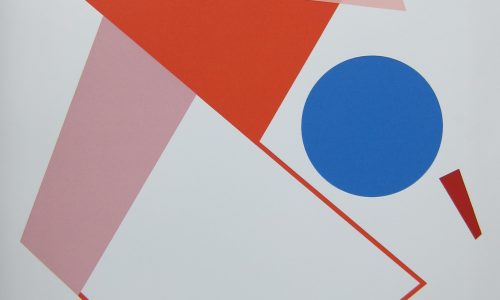
Joost Baljeu was a sculptor, painter, architect, graphic artist, and publicist. He received his education at the Institute for Art Education in Amsterdam (1943-1945) and worked as a painter. Initially, Baljeu created realistic landscapes, cityscapes, and still lifes. In 1950, like many artists at the time, he began to explore international movements of artistic innovation before the Second World War, such as cubism and the abstract art that emerged from it. He was particularly inspired by the artists of De Stijl, with their geometric and abstract visual language. In 1954, he created his first design for a relief for a community center in Amsterdam. The requested design was meant to showcase the integration of architecture, painting, and sculpture. He followed a method previously employed by Piet Mondrian and Theo van Doesburg, and became fascinated by the architectural applications of reliefs. From that moment on, he stopped painting. In 1956, he created his first constructivist and abstract wall sculptures, consisting of colored planes. In 1957, to emphasize the spatial quality, he mounted the planes at right angles to each other.
Baljeu also drew inspiration from developments in France, where, in the 1950s, artists created spatial color constructions. A faithful follower of Mondrian, Jean Gorin of the Group Espace was among them. Gorin had first met Mondrian in 1926 and became his friend. He remained true to Mondrian’s idiom, neoplasticism. In turn, Baljeu met the twenty-six years older Gorin in Paris. Their friendship brought Gorin to Amsterdam several times, including in 1967 for a retrospective exhibition at the Stedelijk Museum.
From 1957 to 1972, Baljeu was a teacher at the Royal Academy of Fine Arts (The Hague). Several museums have his work in their collections, including the Mondriaanhuis in Amersfoort and the Kröller-Müller Museum.
www.ftn-books.com has many Baljeu tiltes available.