www.ftn-books.com
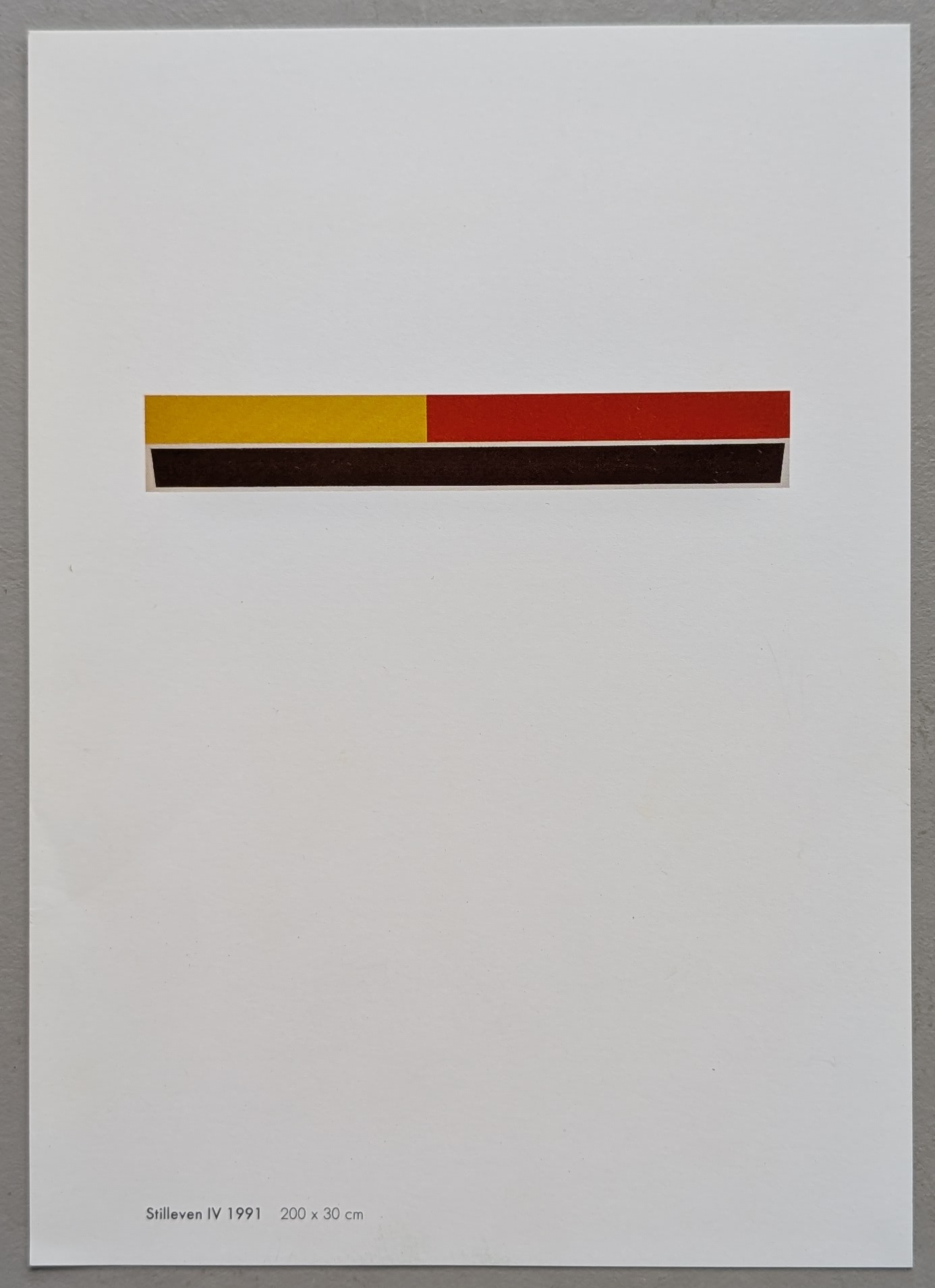
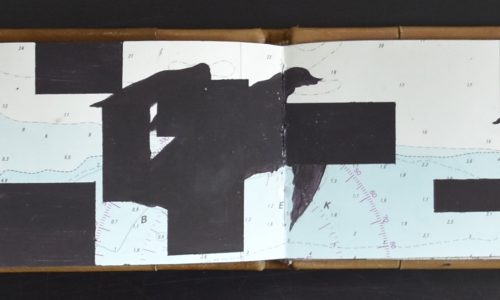
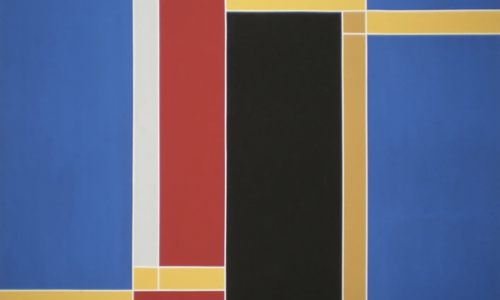
Jan Roeland (born in IJsselmuiden, 1935) portrays everyday objects, often in a series. Envelopes, boxes, planes, ducks, and tables are some of his muses. Roeland transforms these objects from their realistic form into a “flat” version. His unique perspective and simplification of the subject are evident in each piece. According to Roeland, the object must “disappear” and take on a new form. For instance, a duck is reduced to a few round shapes – serving as body, head, eye, and pupil – with a triangle representing its beak.
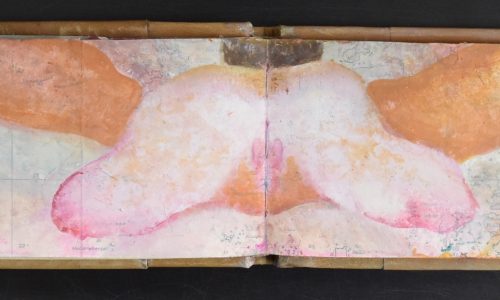
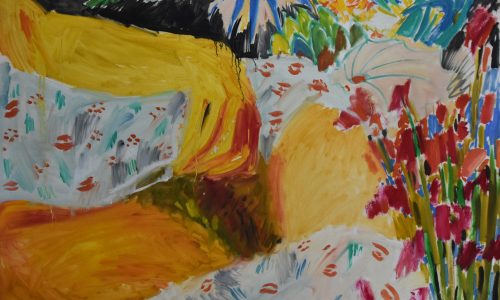
At first glance, Roeland’s paintings do not always reveal their subject. The tables and plants he paints require the help of their titles to be identified. This is further emphasized by his use of non-realistic colors. For example, plants are mustard or white yellow, while tree trunks can be green or orange.
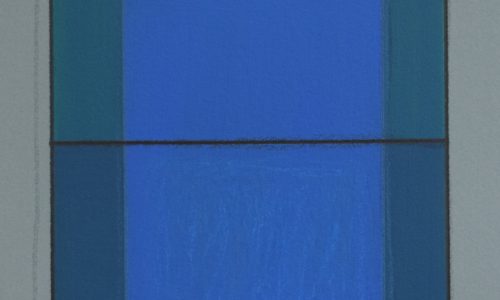
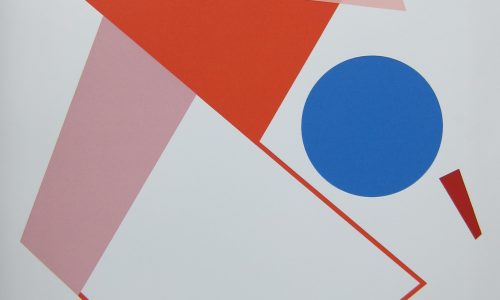
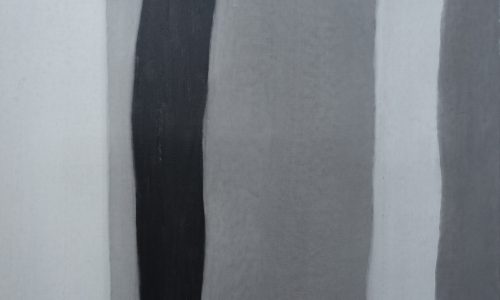
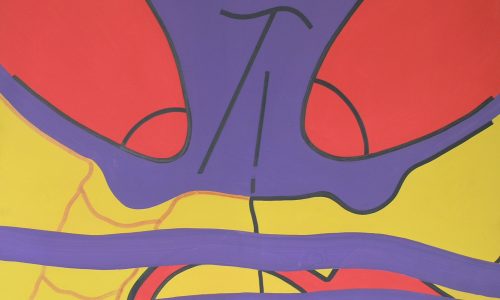
Roeland has a precise painting style. Almost all of his planes, shapes, and lines are monochrome, solid, and flat. He equally paints the shape around the object, while the remaining space seems to stand on its own. This is especially evident in his series “Tables.” The painted tables seem to frame what makes them a table: the space underneath where you can slide in your chair and rest your legs.
In his final composition, there is a tension created by the interplay of bright colors, strong lines, and geometric shapes.
“I like to explore a theme until I’m sick of it. At the point of oversaturation, the tension disappears. And that’s when the tension for something new starts, usually with a drawing.”
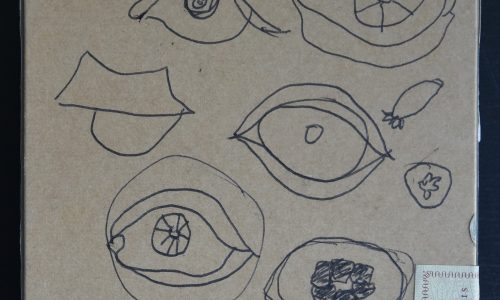
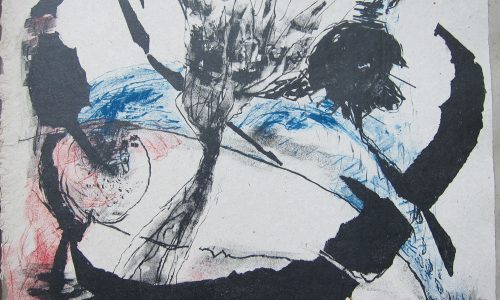
Apart from oil paintings, Roeland also creates drawings and graphics. He is a self-taught artist whose work has been exhibited in various galleries, including Slewe Gallery (Amsterdam), Galerie Nouvelles Images (The Hague), Rijksmuseum Twenthe (Enschede), and the Stedelijk Museum Schiedam.