Dieter Appelt is primarily recognized as a photographer, yet he also delves into the realms of film, videos, sculptures, and performances. In the mid-1950s, he studies music and vocals in Leipzig. After his relocation from East to West Berlin in 1959, he begins to capture moments through photography, with a strong affinity for experimentation, influenced by the innovative German photographer Heinz Hajek-Halke. He remains closely connected to the opera choir in Berlin for a long period of time. During the early 1960s, after the construction of the Berlin Wall, various experimental artistic groups emerge, such as Fluxus and Joseph Beuys and his entourage. Although Appelt never joins any of these groups, they serve as a source of inspiration for him. In the same time period, the artist travels to Japan for an extended period of time, where he is deeply impressed by Zen philosophy, with its emphasis on inner reflection as the basis for finding the ultimate balance between body and mind.
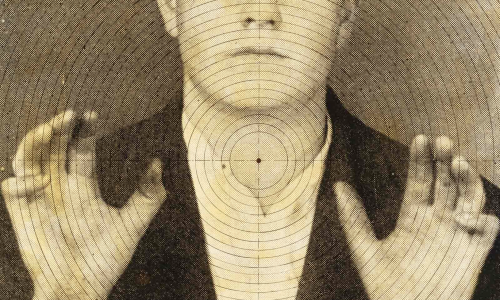
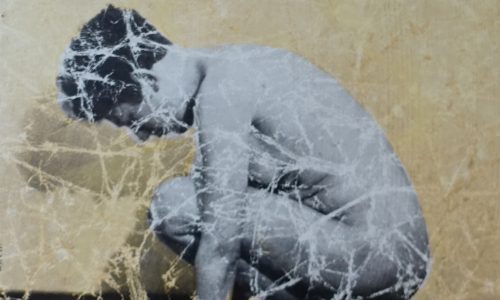
It is not until 1973 that Appelt presents a series of experimental photographs, in which he adopts suffocating poses against a glass wall, behind which the camera is positioned. These photos already encapsulate two key themes in Appelt’s work: the use of his own body and the illusion of multiple spatial dimensions within a two-dimensional photographic image. Between 1975 and 1985, the artist focuses on the “sculptural” use of photography as a medium. Through theatrical actions, he explores the human desire for transcendence with his body, often “modified” with natural materials such as plaster and wood. In 1982, Appelt becomes a professor of film, video, and photography at the Academy of Fine Arts in Berlin. His work becomes more conceptual, as he exposes objects to the two essential pillars of photography: light and movement. In doing so, he no longer sees the camera as an “author,” but rather lets it simply record.
Partly inspired by the futurists, Appelt creates for the first time photo works consisting of multiple images. Movement, time, and three-dimensionality are strongly emphasized as a reaction to the ‘omnipotence’ of the static two-dimensional photographic image. In the early 90s, Appelt revisits his photography from the 70s, where he used his body as a tool. He reinterprets various older works, employing the conceptual techniques he acquired in the 80s.
Follow in the footsteps of the futurists, Appelt’s newest creations are a fusion of multiple images, imbued with a sense of motion, time and depth. This serves as a bold response to the perceived supremacy of traditional static photography. In the early 1990s, Appelt revisits his earlier photographic works, which made use of his body as a tool. With a conceptual approach honed in the 1980s, he reimagines these pieces, breathing new life into them.
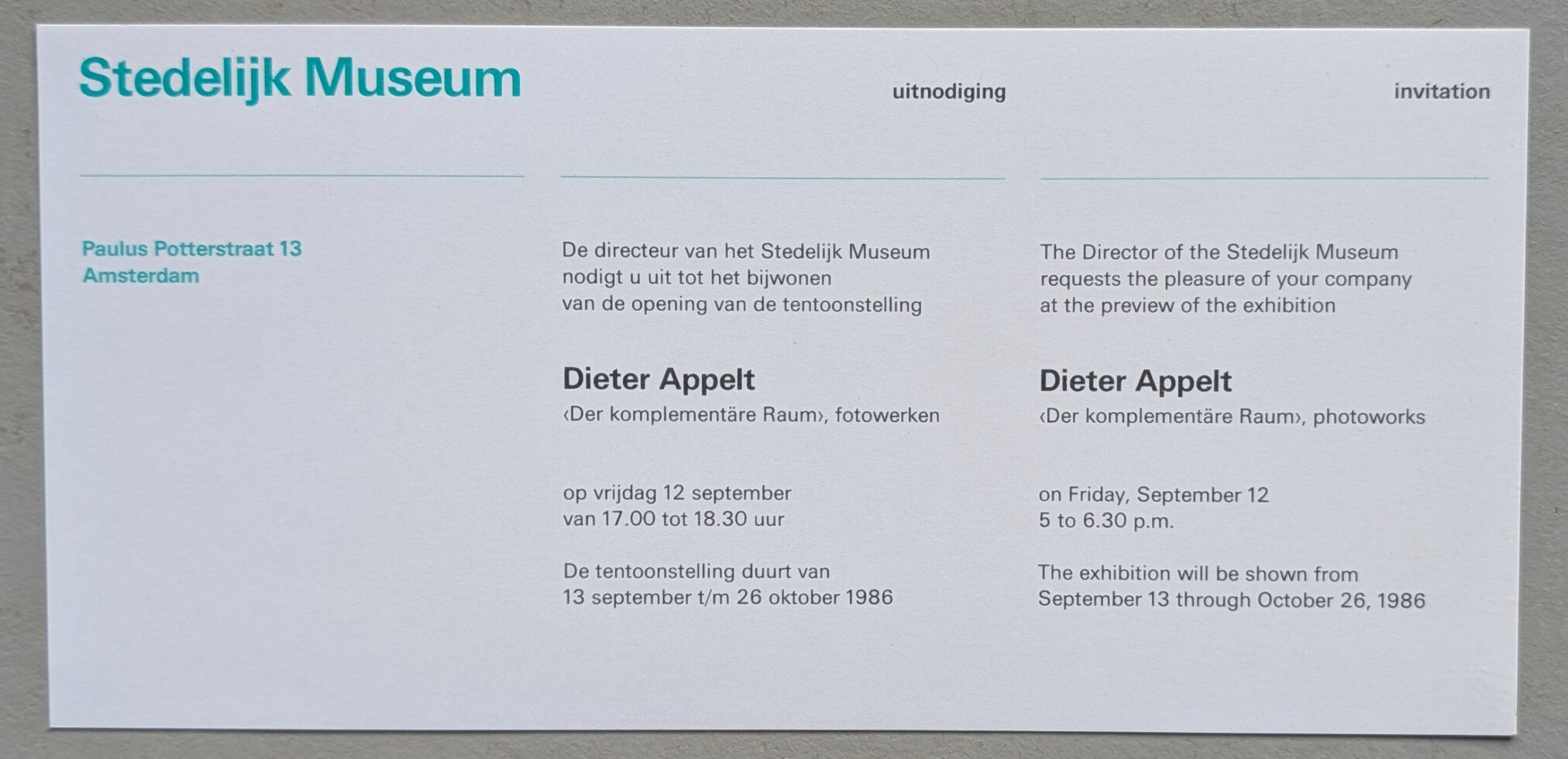
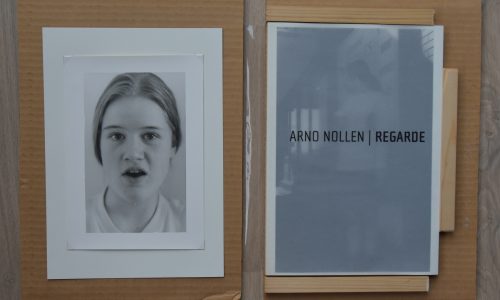
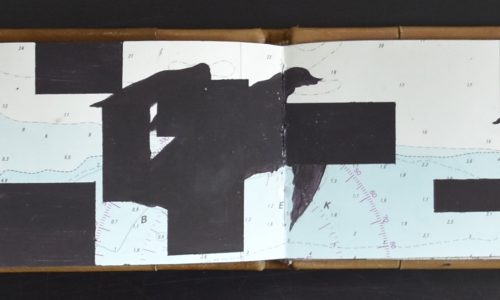
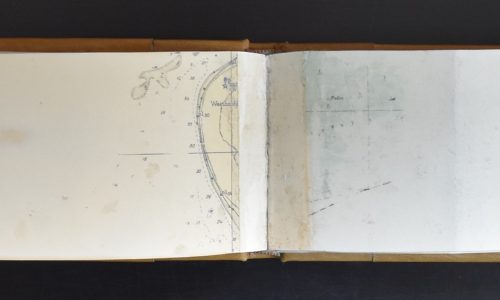
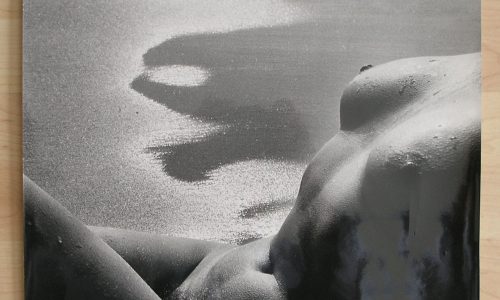
Beside the invitation for the Appelt exhibition at the Stedelijk, www.ftn-books.com has several other Appelt items available.