Posted on Leave a comment

Hellen van Meene (1972)

Schermafbeelding 2017-09-20 om 16.27.13.png

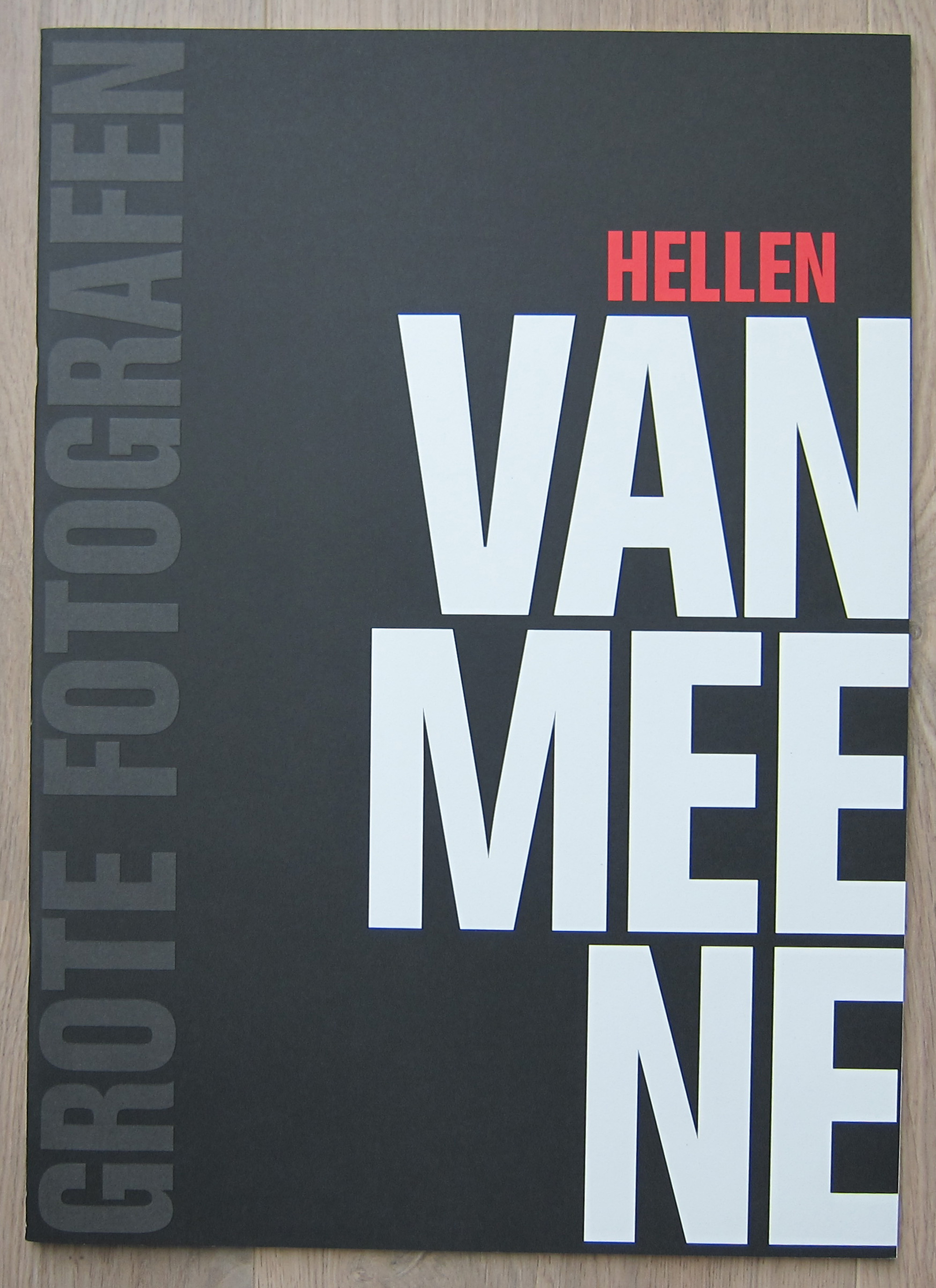
Hellen van Meene is known for her (mostly) square photographic portraits of teenage girls. Her work was first exhibited in 1996 and has been shown around the world since then. Her photos are in the collection of many museums, incl. Guggenheim NYC & MoMA. She lives and works in Heiloo and her subjects now include still lifes, dogs and other animals.

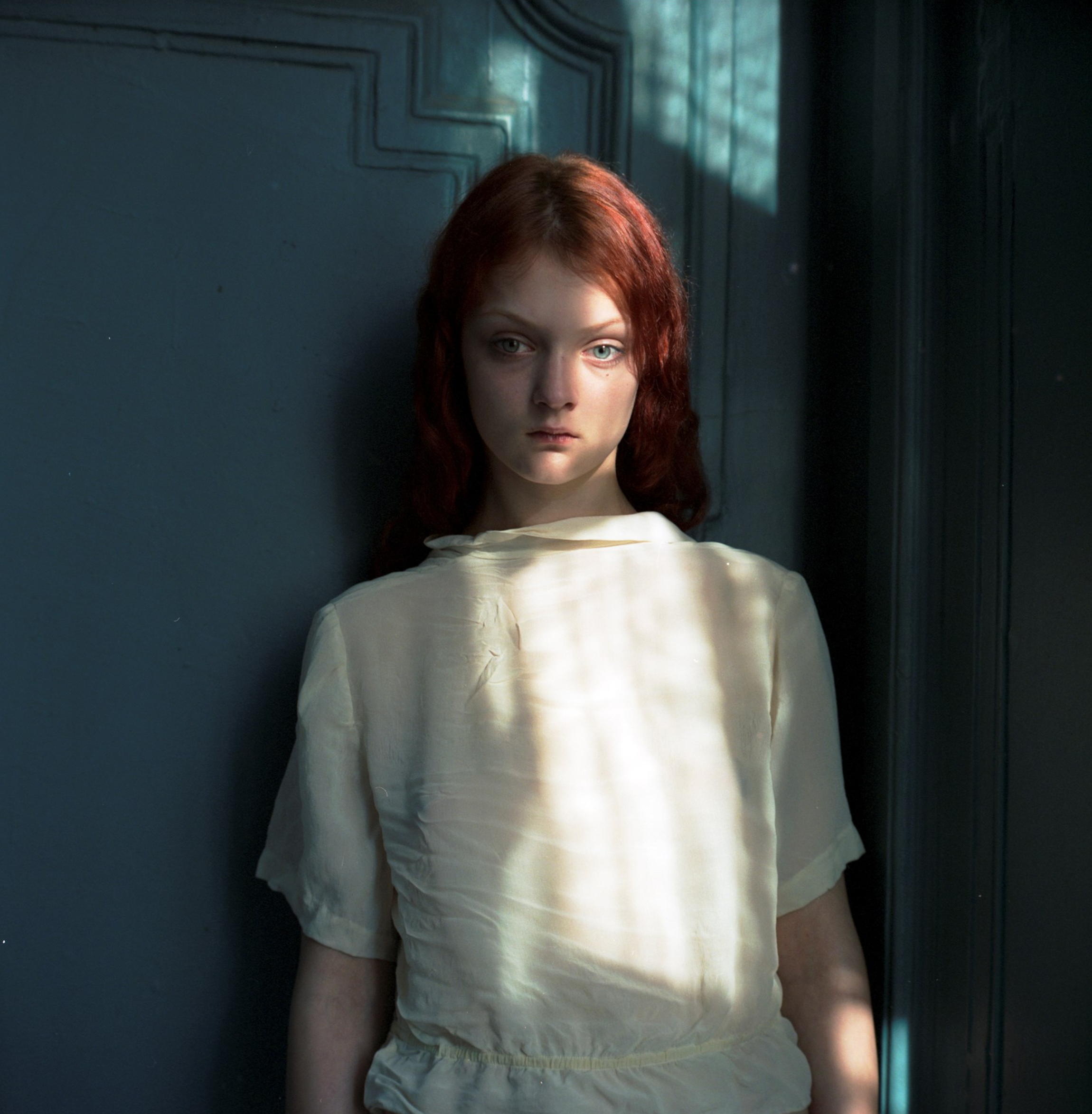
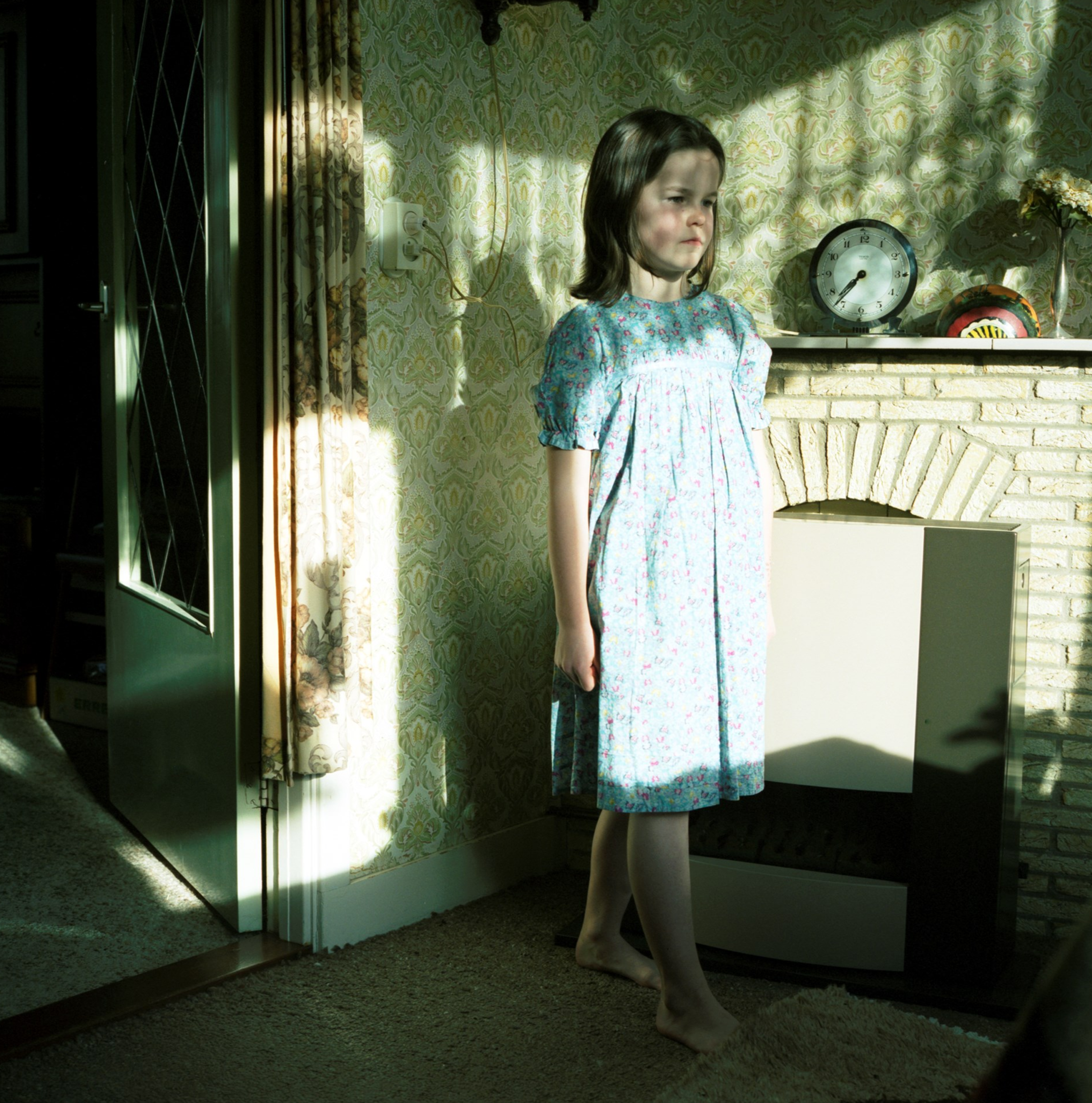
This is how her biography on her personal site starts. A poor site with not much information on which i stumbled because i was looking for more information on Hellen van Meene. However there is one highlight on the site which is available. The page with the photographs shows exactly why i think van Meene is important.

http://hellenvanmeene.com/photos

The use of the square format and mofre the way light is used in an almost “GOLDEN AGE”like way make these beautiful little portraits.
 

www.ftn-books.com has one tilte by van Meene available.
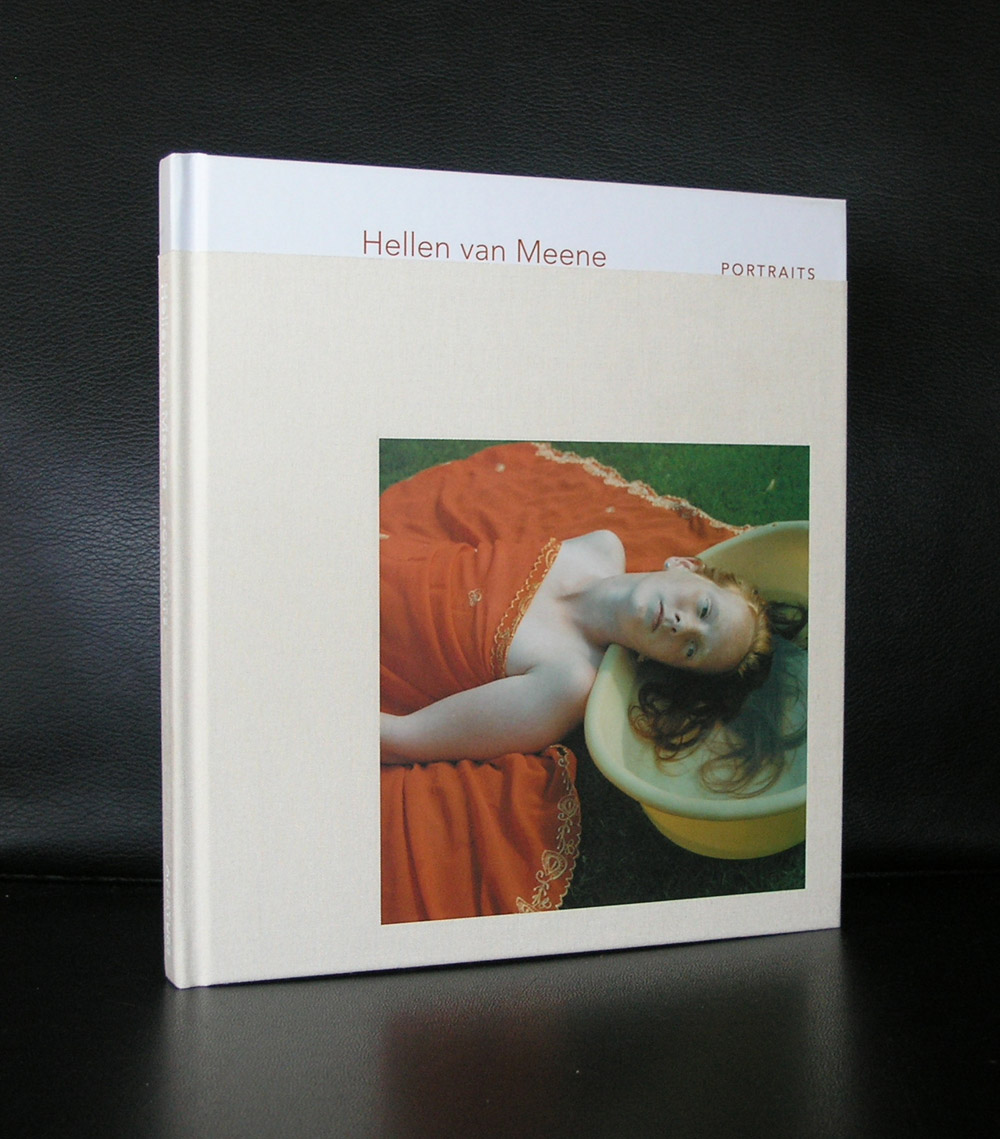
The Fotomuseum gives better info on van Meene than her own site so here is the text the Fotomuseum published on their pages:

For the last 20 years, Hellen van Meene (b. 1972) has ranked among the world’s top photographers. Her highly distinctive style and timeless, intimate images of young girls on the brink of adulthood have attracted international acclaim. Solo shows and group exhibitions have won her admirers in places as far away as Japan, Korea and the US. The Hague Museum of Photography now presents the first ever major retrospective of her entire oeuvre.

Hellen van Meene career took off in a big way immediately after her graduation from the Rietveld Academie (Amsterdam) in 1996. Following various group exhibitions and a solo show at the Paul Andriesse gallery in Amsterdam, her international breakthrough came with a solo exhibition at the Photographers’ Gallery in London. Since then, her work has been acquired by major museums in the Netherlands and around the world. Collections in which it can now be found include those of the Gemeentemuseum Den Haag, Victoria & Albert Museum (London) and MoMA (New York).

Although Van Meene has continued to develop and her choice of subject has widened over the past twenty years, her work has always displayed the same consistent and distinctive personal style. Whatever the nature of her photographs – whether autonomous art works, images commissioned by the New York Times or Tank Magazine, portraits of young girls in Tokyo or Los Angeles, or portraits of dogs – each of them is always and unmistakeably ‘a Hellen van Meene’.

Van Meene’s unique style is characterized by the timeless and mysterious atmosphere in her images and by her consistent use of natural light. Due to the crucial importance of lighting in her photographs, but also because of the particular way she stages her pictures of adolescent girls, her work is sometimes compared with that of major painters of the past, from Botticelli and Velázquez through to the Pre-Raphaelites of the nineteenth century.

Van Meene draws her models – often young girls – from her immediate social circle or spots them in the street. She doesn’t care who the girl is or where she comes from. For that reason, she deliberately refrains from titling her photographs; the identity of the subject is irrelevant. The photographic image represents a mere moment in time, carefully staged by the photographer; the subject may look quite different the next day – especially if she is a girl in an ‘in-between phase’, hovering on the brink of adulthood. Time flies by: The Years Shall Run Like Rabbits. What remains is a timeless image that frequently offers no clue as to whether it was produced at the start of Van Meene’s career or just this year.

To underline the intimacy of her photographs, Van Meene presents them in the form of small-format prints, forcing the viewer to come close to see them. The retrospective at the Hague Museum of Photography, consisting of over ninety photographs, is accommodated in six vivid, enclosed spaces. It extends from Van Meene’s earliest photographic works, produced in 1994, right through to her most recent images, never previously seen in the Netherlands.

Posted on 9 Comments

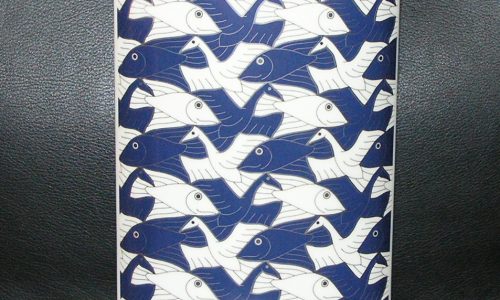
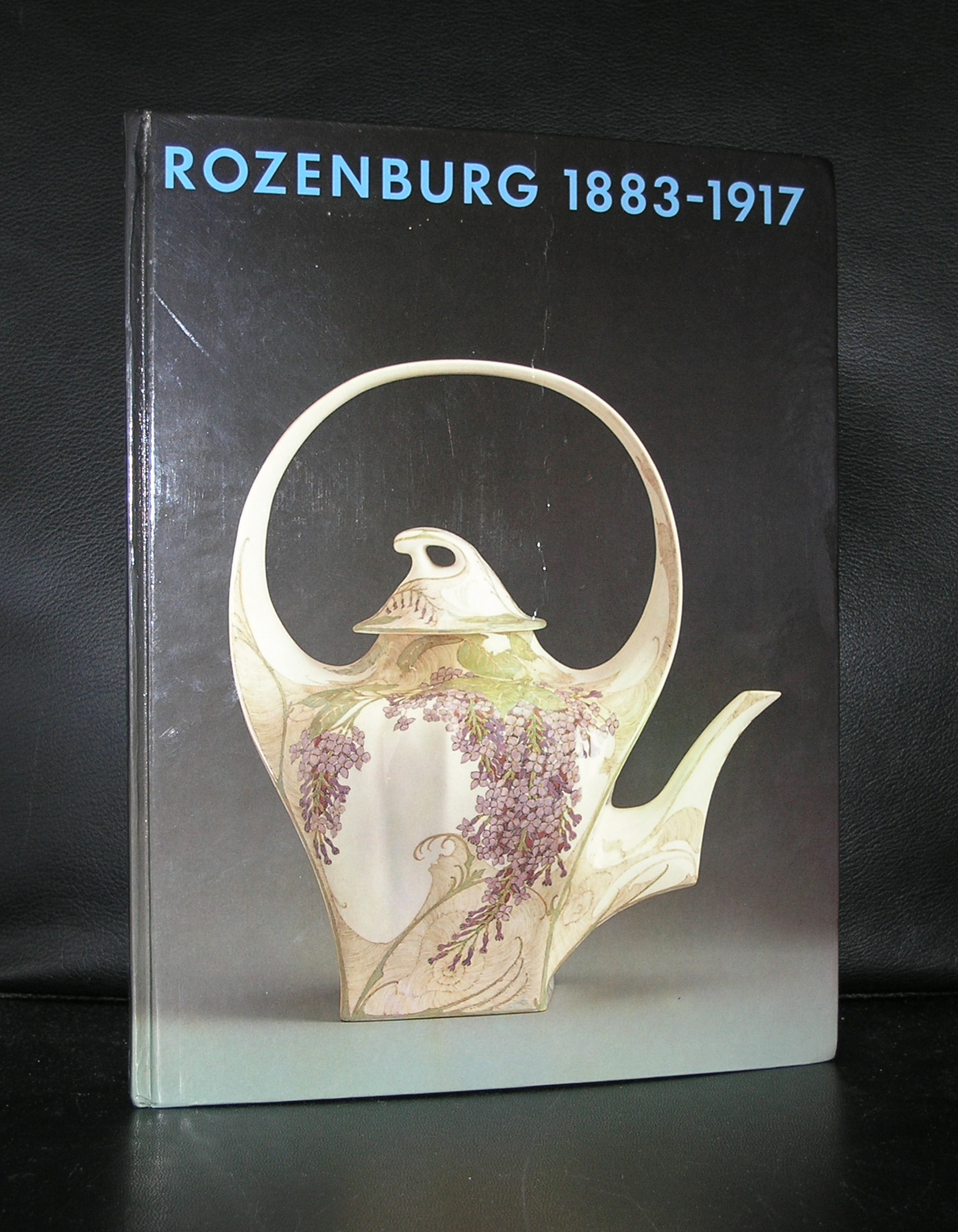
Rozenburg porcelain ( 1883-1916) ….dutch Art Nouveau

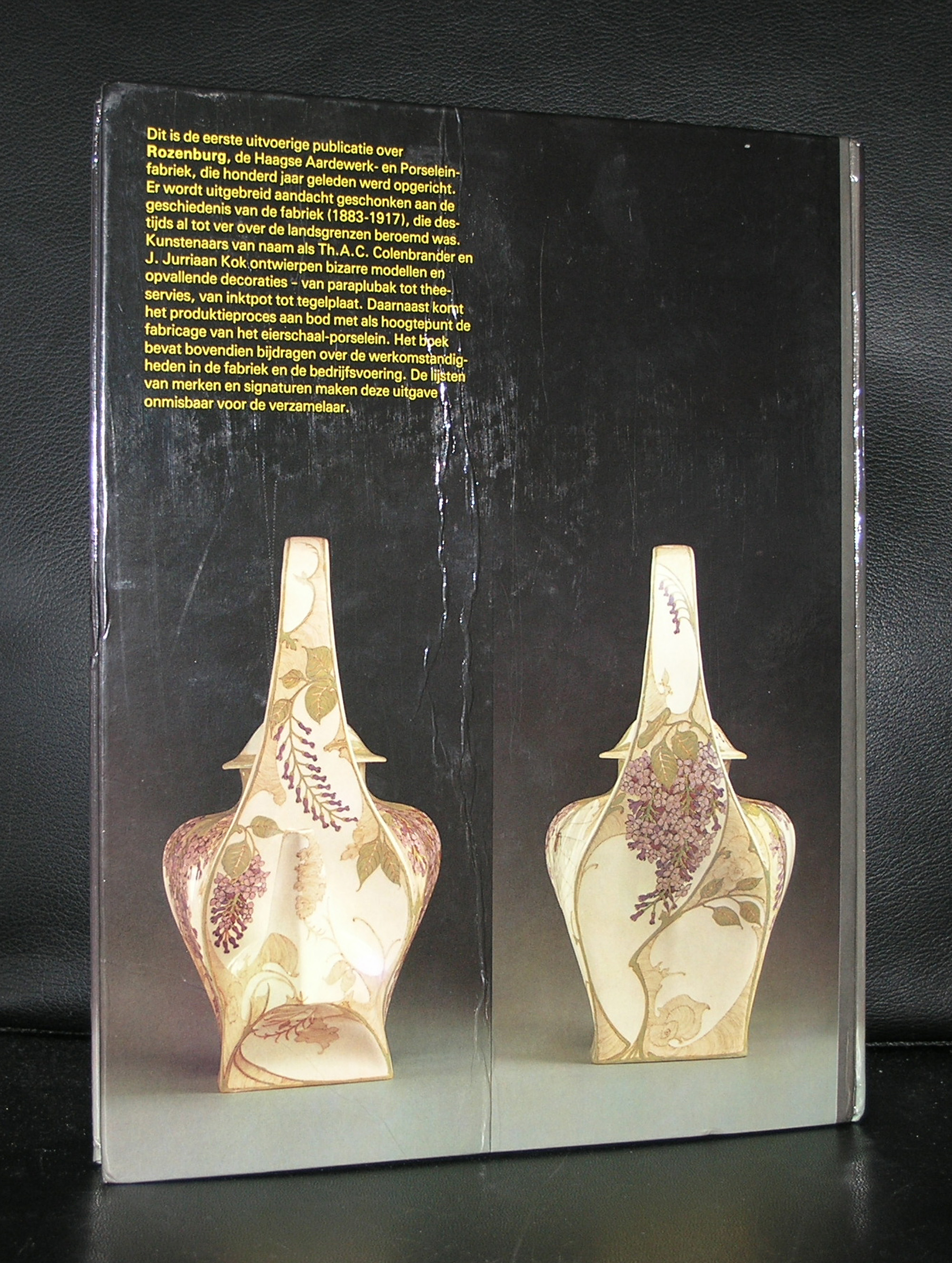
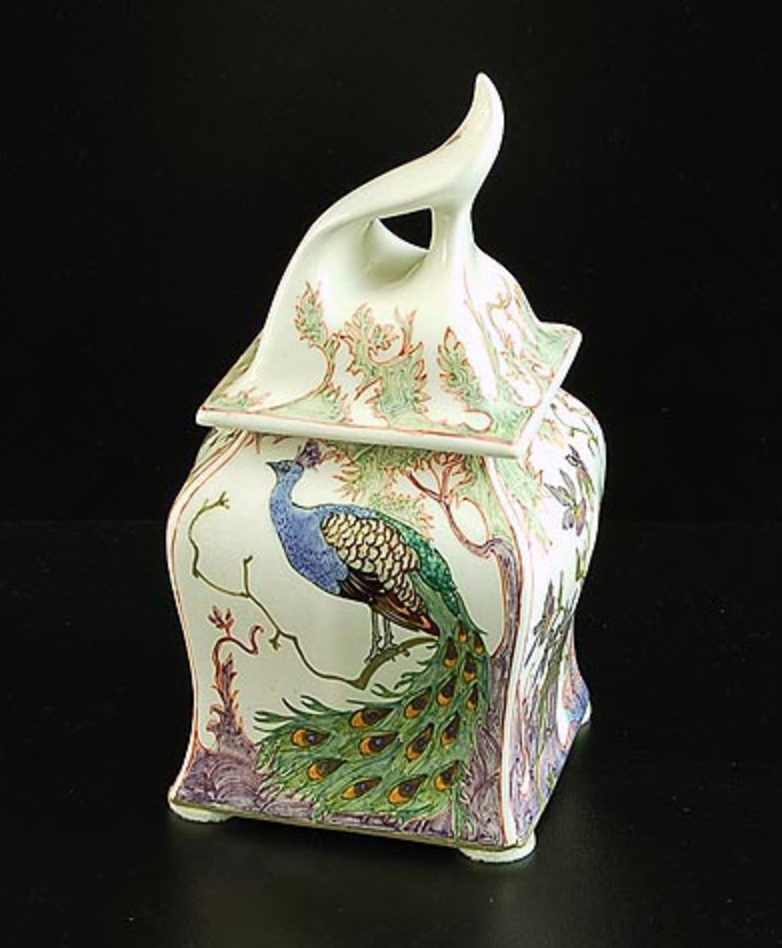
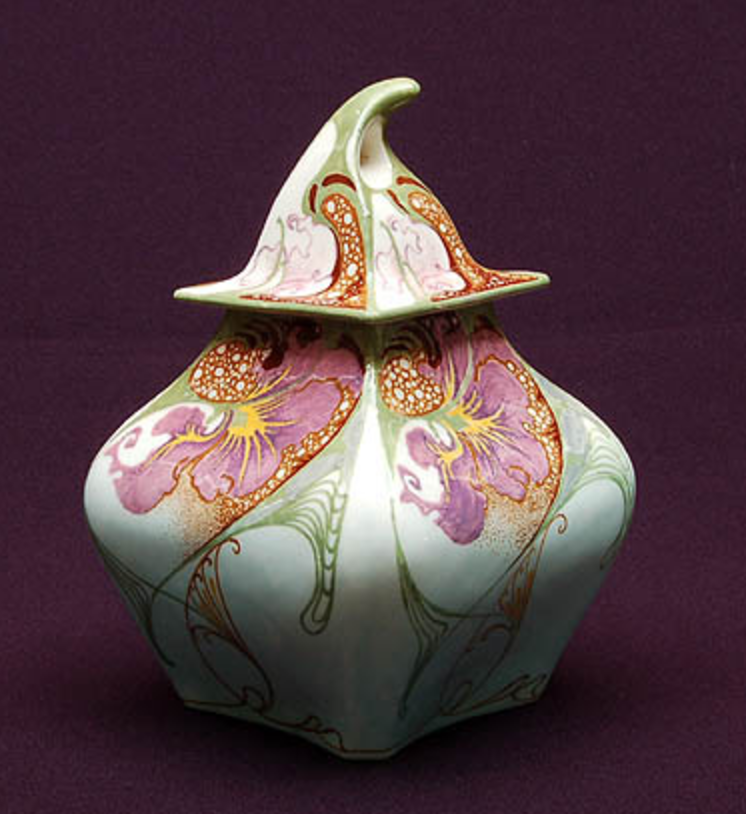
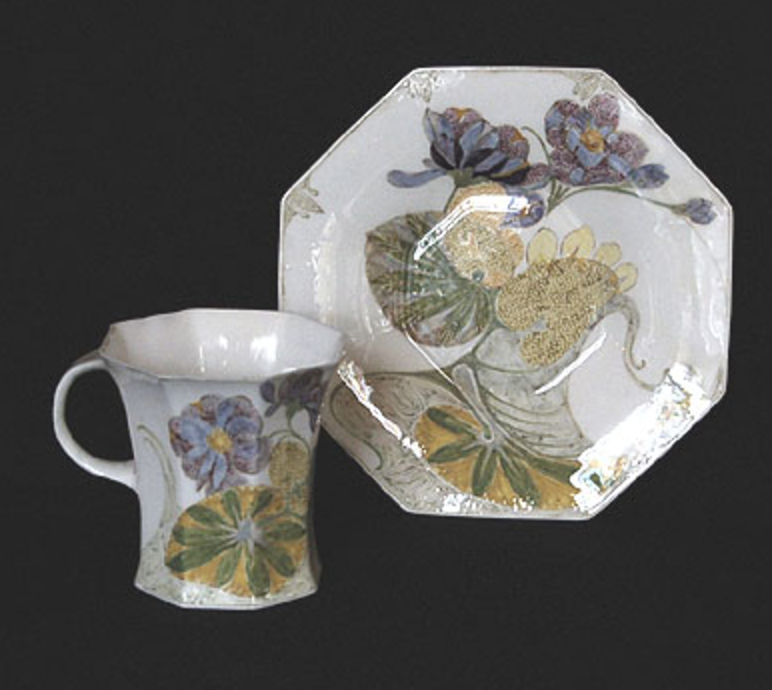
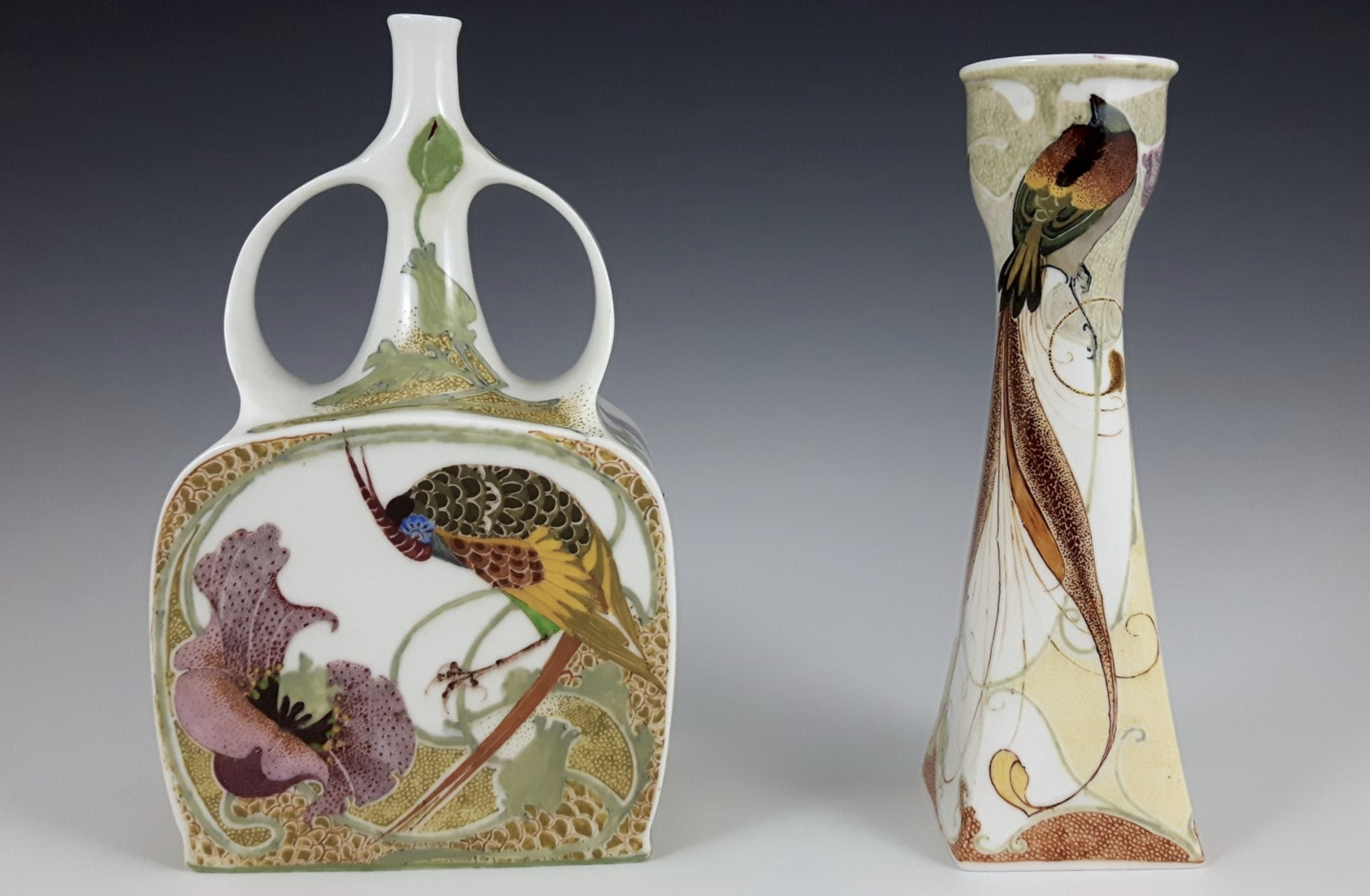
I consider the products by the Rozenburg porcelain factory from The Hague to be the best examples of Dutch Art nouveau ever. Of course many would consider the “Slaolie” poster by Jan Toorop to be the best example of Dutch Art Nouveau, but for me it is all bundled within the eggshell porcelain product by the Rozenburg factory. Hand painted with the most delicate patterns and illustrations these belong to the absolute top in Art Nouveau design, Take a look at these examples .

They are all of the utmost quality and show the best  in design and painting. In the early 80’s  the ultimate book on Rozenburg porcelain was published. Written and curated by Marjan Boot, who later would become head of the design department at the Stedelijk Museum AMsterdam. The reason whhy this book is still the best on the subject is because it contains a special chapter filled with stamps and autographs of the Rozenburg master painters. I am fortunate to have this title available at www.ftn-books.com
 

Posted on 14 Comments

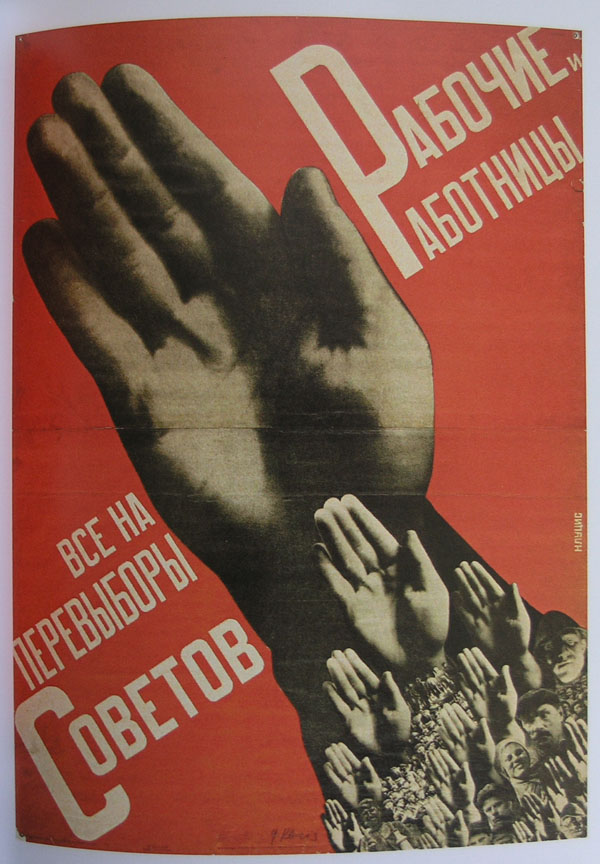
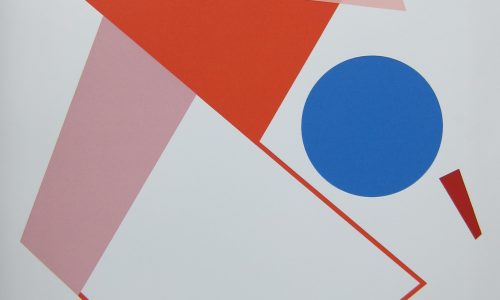
Kustavs Klucis / Klutsis (1895-1938)…photomontage posters

Schermafbeelding 2017-09-19 om 14.16.00

Gustav Klutsis (Latvian: Gustavs Klucis, Russian: Густав Густавович Клуцис) (January 4, 1895 – February 26, 1938) was a pioneering Latvian photographer and major member of the Constructivist avant-garde in the early 20th century. He is known for the Soviet revolutionary and Stalinist propaganda he produced with his wife and collaborator Valentina Kulagina.
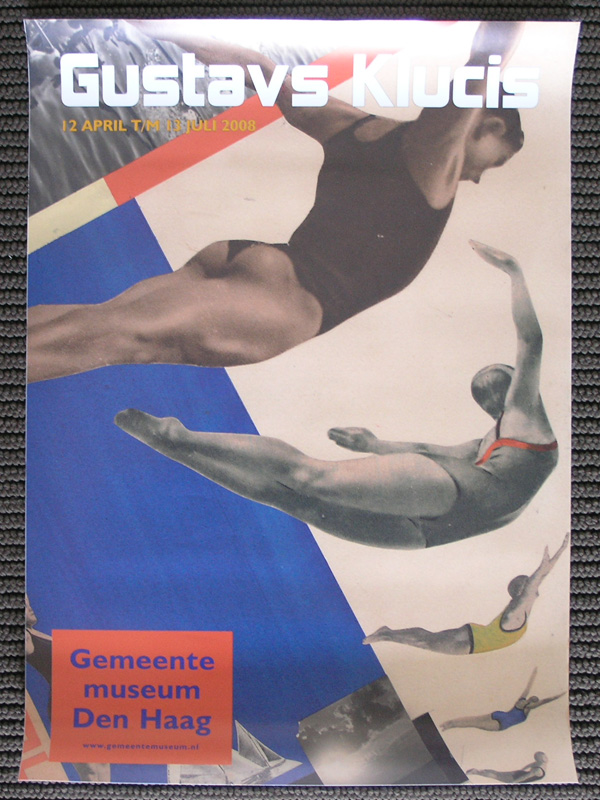
This is how Wikipedia starts on this Russian photographer . What Klucis makes important for me is not the Constructivist part in his biography. For me his use of photomontage in the context of the rapidly changing times make his works spectacular. I had never heard of Klucis before, but because the Gemeentemuseum held and exhibition on Klucis in 2008 i became an instant admirer.  Together with this exhibition a catalogue was “in-house” published in a very limited edition ,which shows in an excellent way the importance of Klucis. I believe the edition size, because of the printing “on demand” situation, was only 250 copies .  It makes it difficult to find, but the good thing is….. i have it in stock and the catalogue is available at www.ftn-books.com.

OLYMPUS DIGITAL CAMERA

Here is part of the text published by the Gemeentemuseum Den Haag:

From 1913, Klucis studied at the City Art School in Riga. In 1915, when the city was attacked by German troops, Klucis was conscripted into the imperial Russian army and ordered to Ochsta near St Petersburg, where he subsequently studied at the Art Academy. In the days following the October Revolution of 1917, he volunteered to join the Ninth Regiment of the Latvian Red Infantry in defence of Lenin. Inspired by Malevich and Constructivism, he also began around this time to produce art in support of the emerging Communist state.

In 1919 Klucis produced a series of drawings, photomontages and paintings entitled Dynamic City, showing that he wanted to turn Malevich’s Suprematism into a more concrete artistic movement. Developing alongside Tatlin, Pevsner and Gabo, he became one of the first Constructivists, producing work that exemplifies the political engagement and spirit of innovation that inspired this Russian movement. Around 1919, he discovered photomontage, which he himself later described as a new kind of art for the masses: the art of the Socialist revolution.

From this time on, Klucis was offered a series of prestigious design commissions. These included, for example, one for the 1928 Spartakiade (the Soviet Union’s alternative to the Olympic Games). Klucis designed a series of postcards and a poster establishing a clear link between sport and revolution. In all, he produced over a hundred poster designs, many of them relating to the Five Year Plans and supporting the collectivisation of agriculture and the large-scale industrialisation of the Soviet Union.

Gustavs Klucis was arrested on 17 January 1938 and accused of belonging to a Latvian terrorist organisation (such ‘random’ political purges were a feature of life under Stalin). He was taken away and for many years his wife, artist Valentina Kulagina (1902-1987), knew nothing of his fate. In 1956 his family heard that he had died of heart failure in a labour camp in 1944. It was not until 1989 that they were informed that he had in fact been shot in Moscow on 26 February 1938.

Posted on Leave a comment

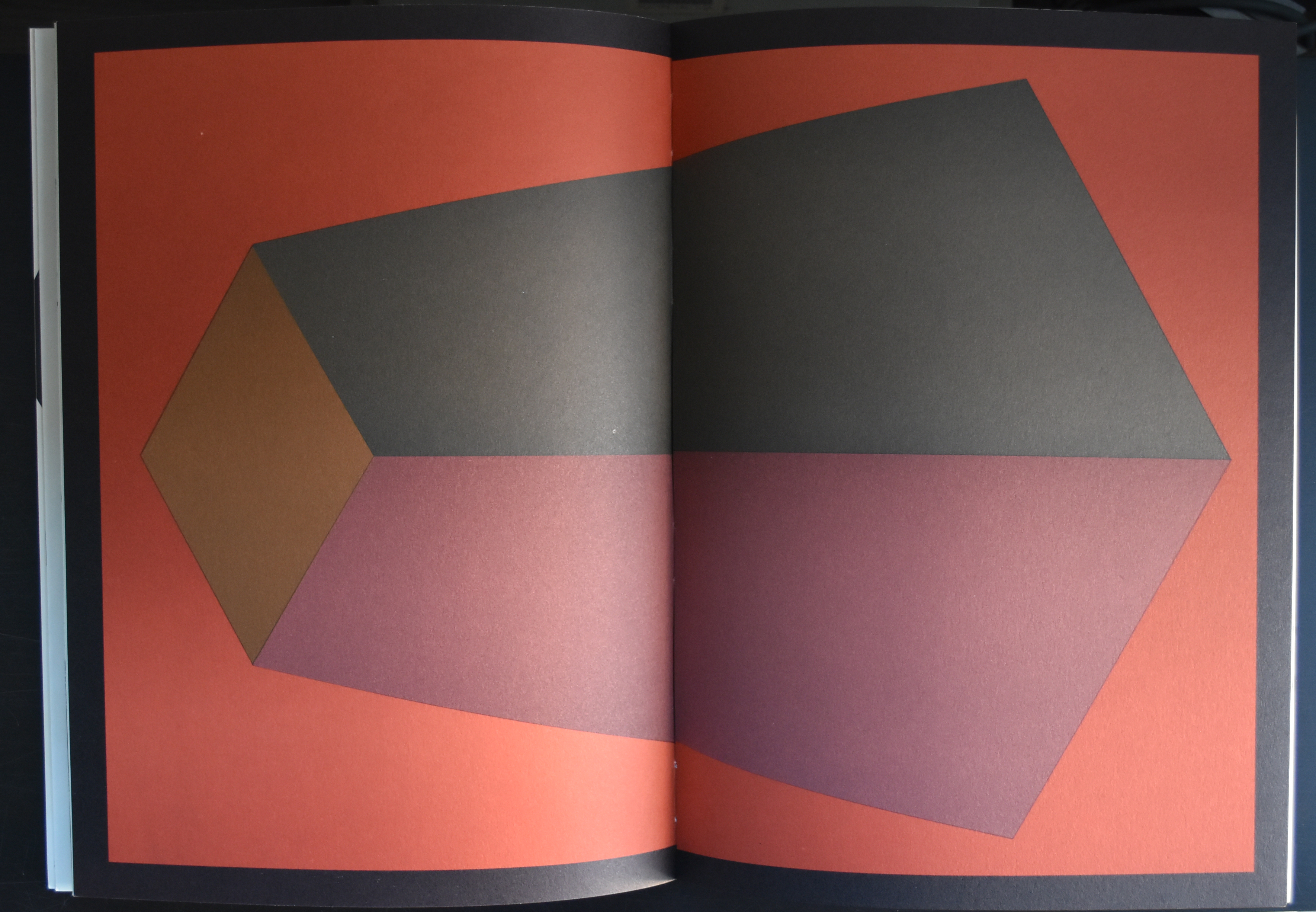
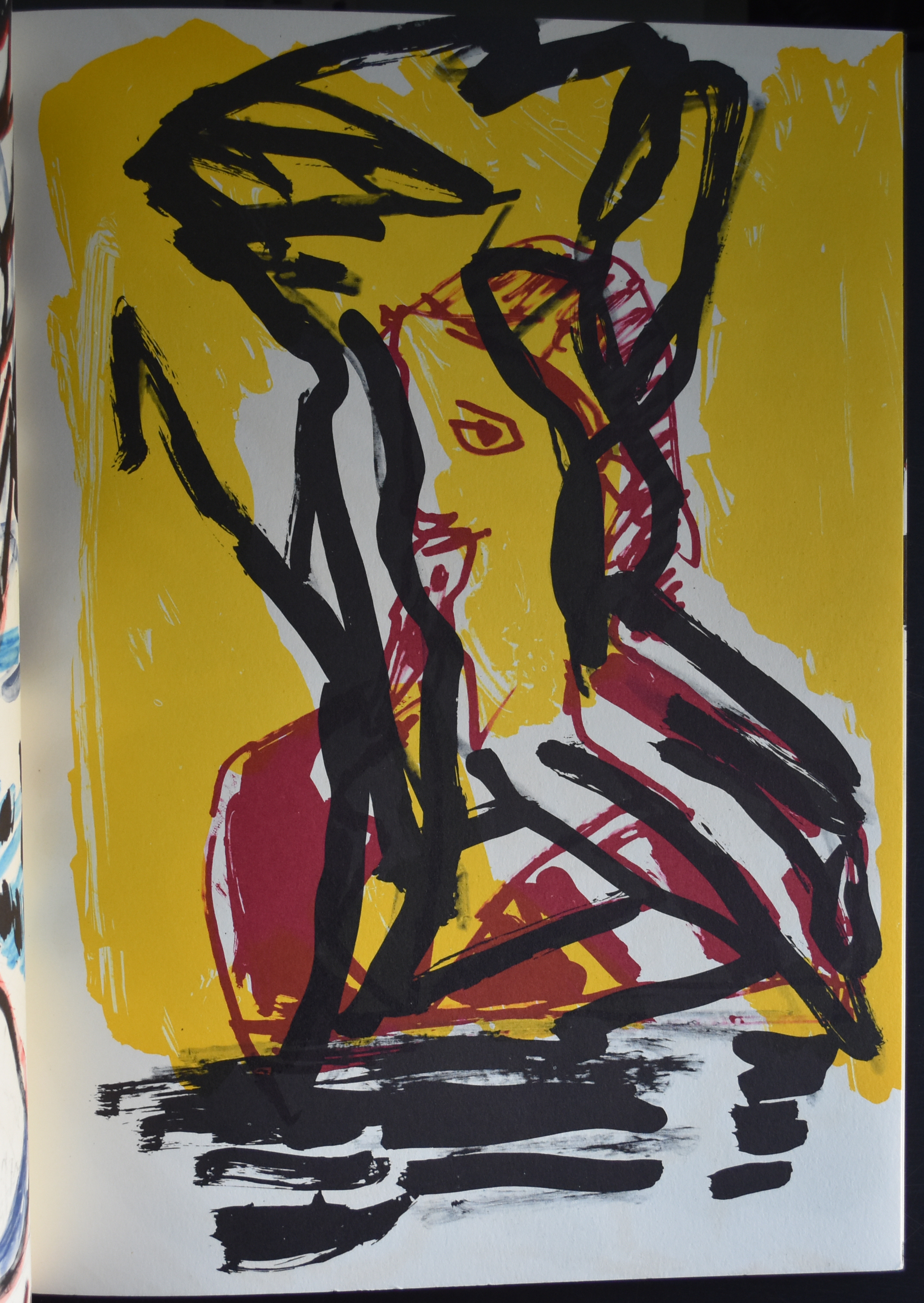
Maeght edition….NOISE no. 10 LeWitt/Appel

noise 7 a

If ever there was a series that deserves to be collected it is the NOISE series published by Maeght editeur and sepcially the no. 10 volume within the series is exceptionally beautiful ( available at www.ftn-books.com). These publications are printed by the best in the business and are far larger sized than the usual Maeght publications. At a size 15 x 10.6 inches and in many cases spread over two pages, these publications are a true treasure trove. For instance the no. 10 issue has contributions by Karel Appel and Sol LeWitt and these artists show their best works in this publication. Check out the different issues published by Maeght and take a look at the no. 10 issue for sale at my shop.


Posted on Leave a comment

Keith Haring Velum …..it is back!

I knew that i was right when i noticed about a year ago that it was a real pitty that the Velum by Keith Haring was removed by the Stedelijk Museum, but now i got notified that it is back. From this day you can marvel at this extremely large Keith Haring and wonder why it has been away such a long time. The velum by Keith Haring…… it is back !

Schermafbeelding 2017-09-09 om 11.29.12.png

For some excellent Keith Haring publications visit www.ftn-books.com