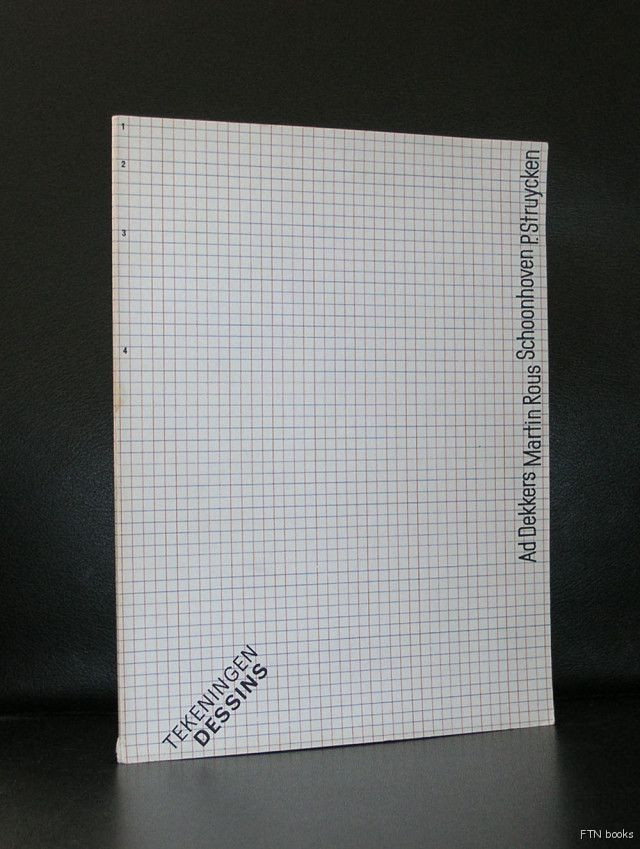
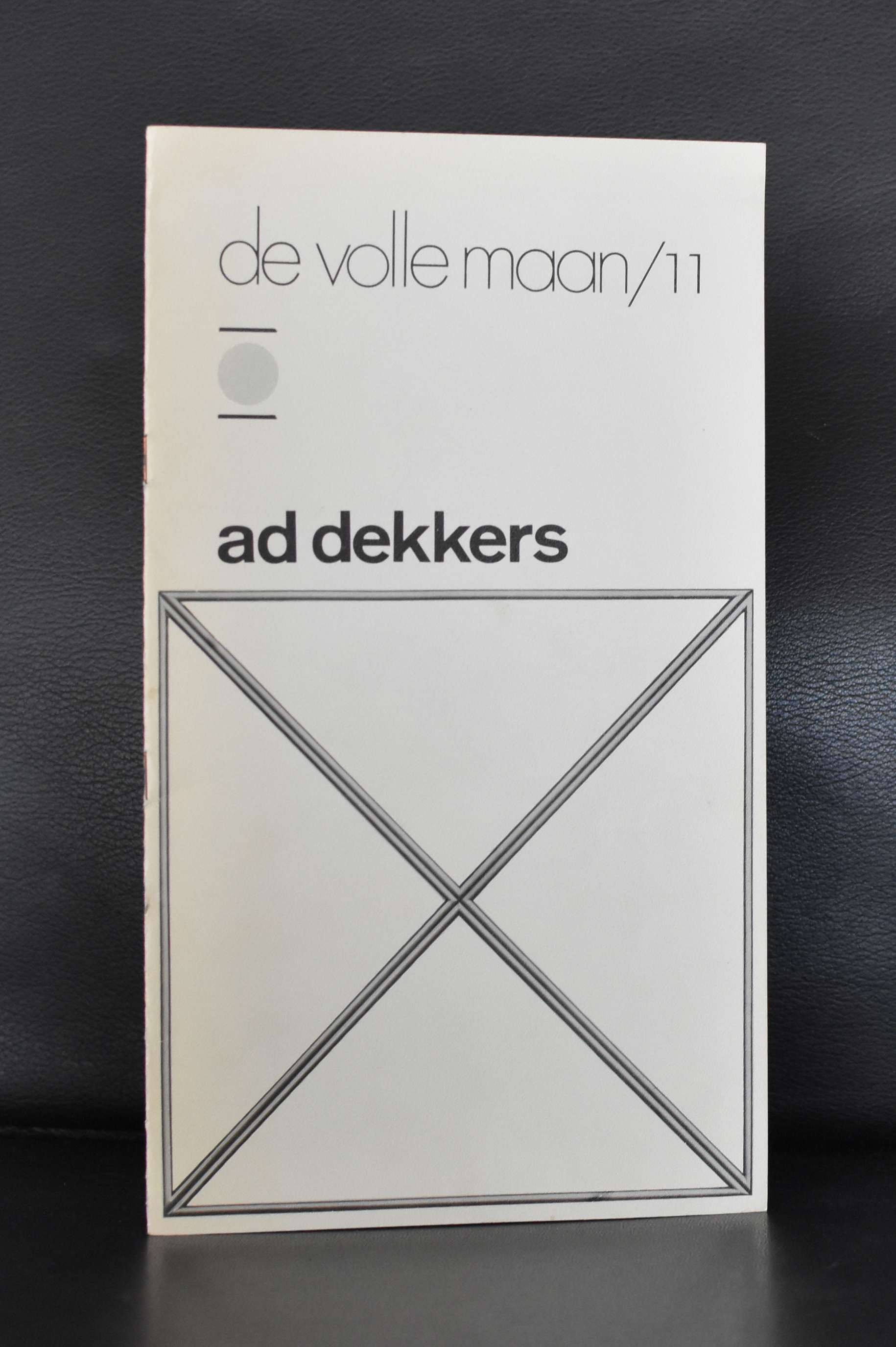
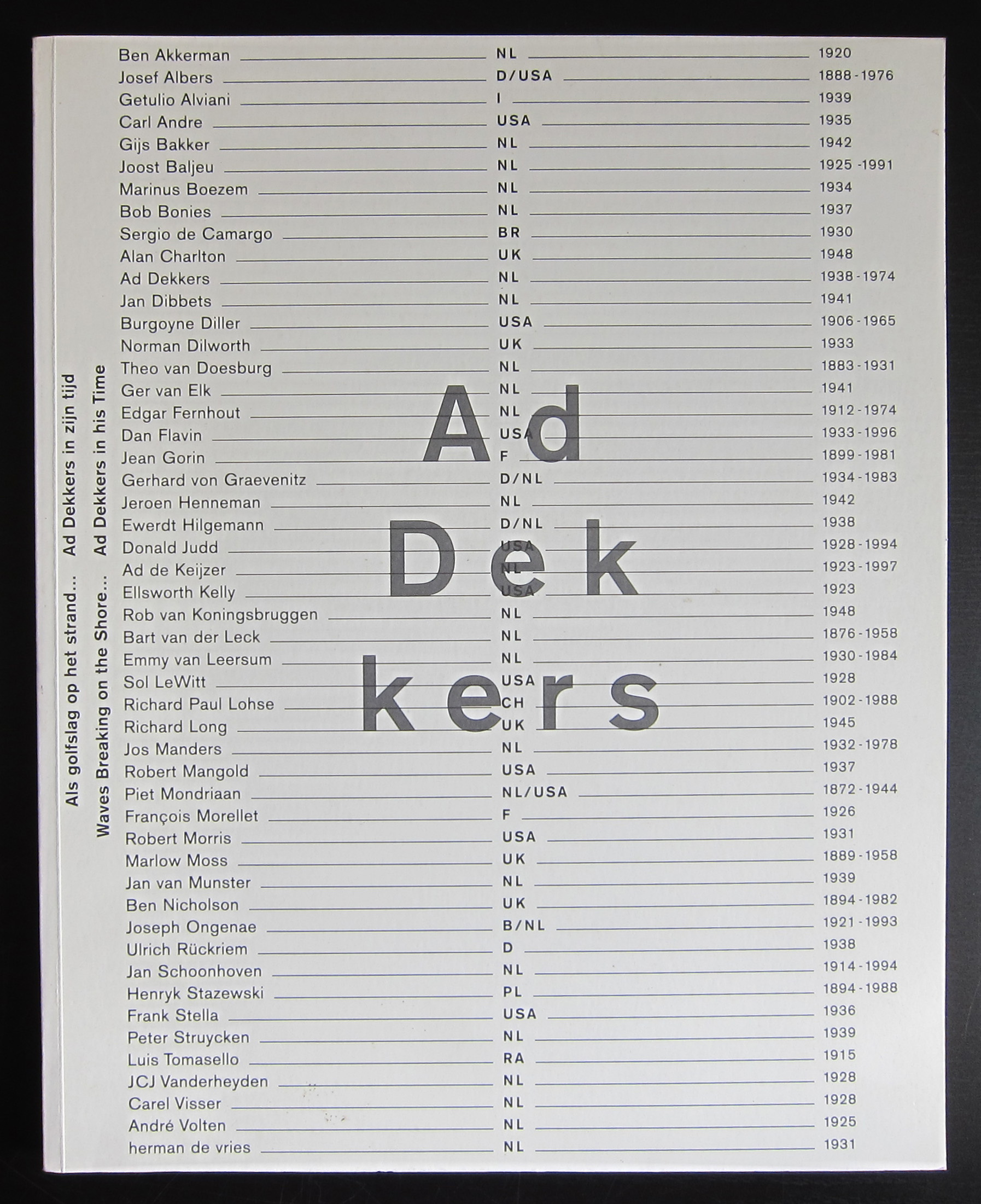
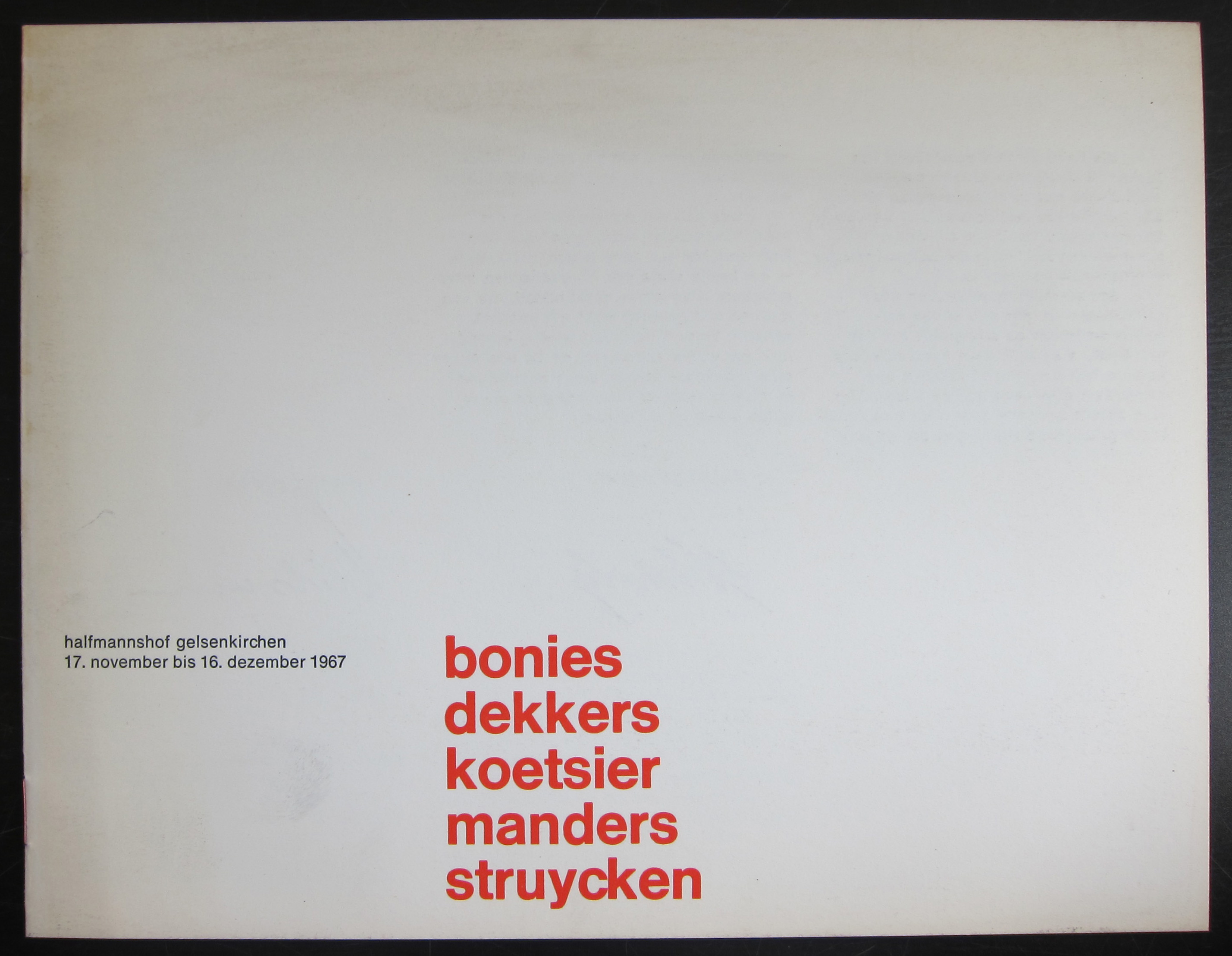
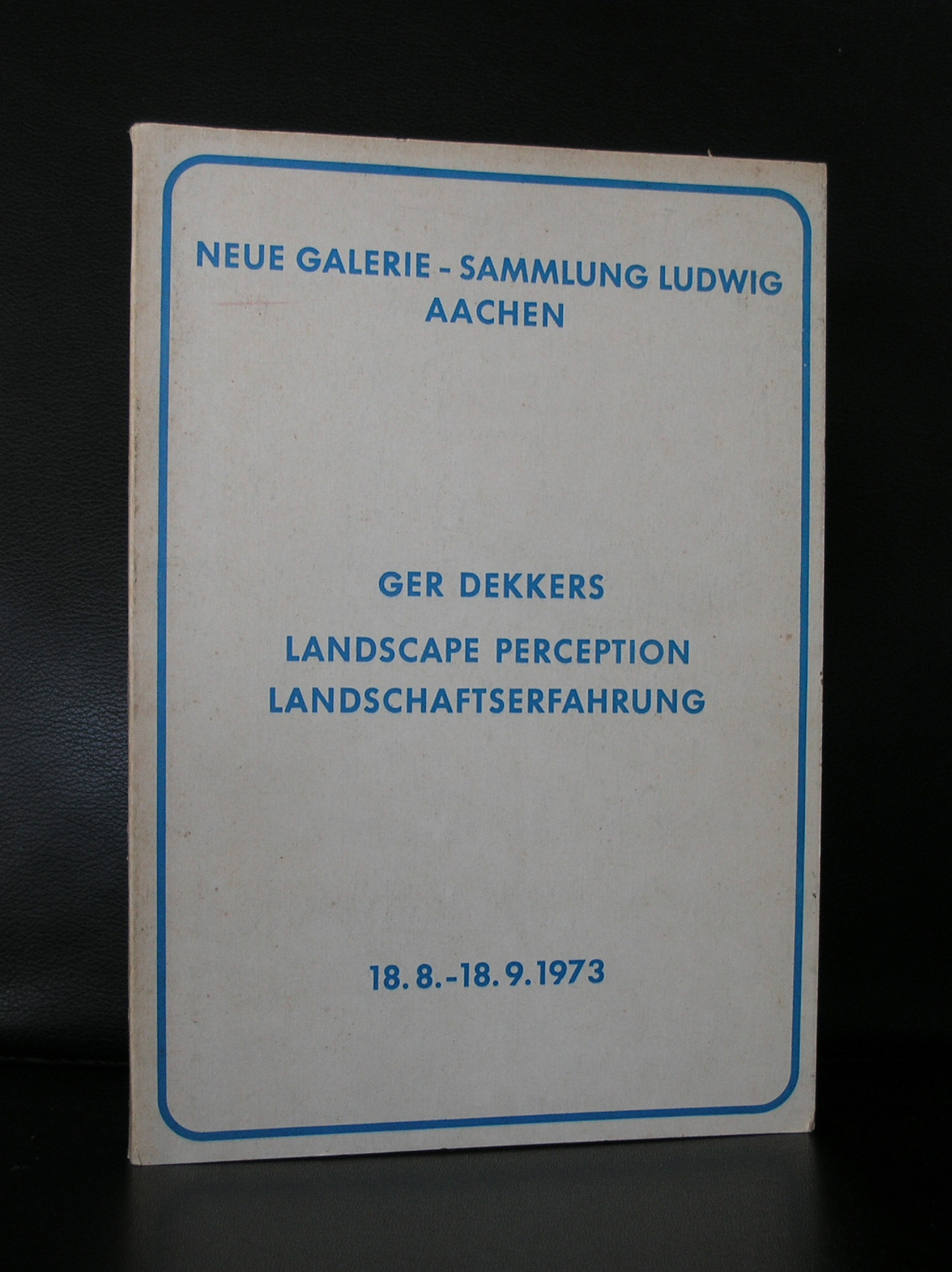
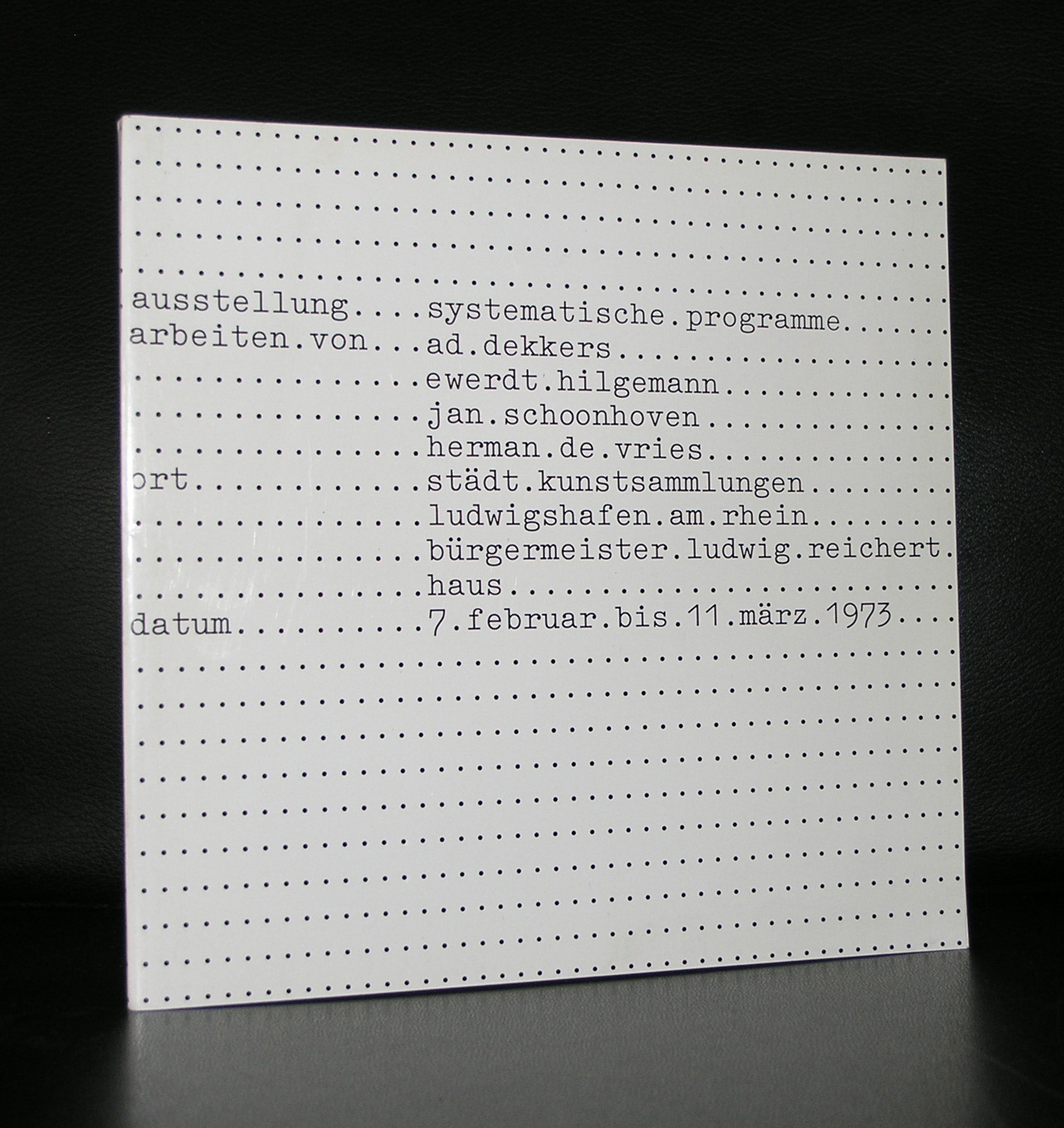
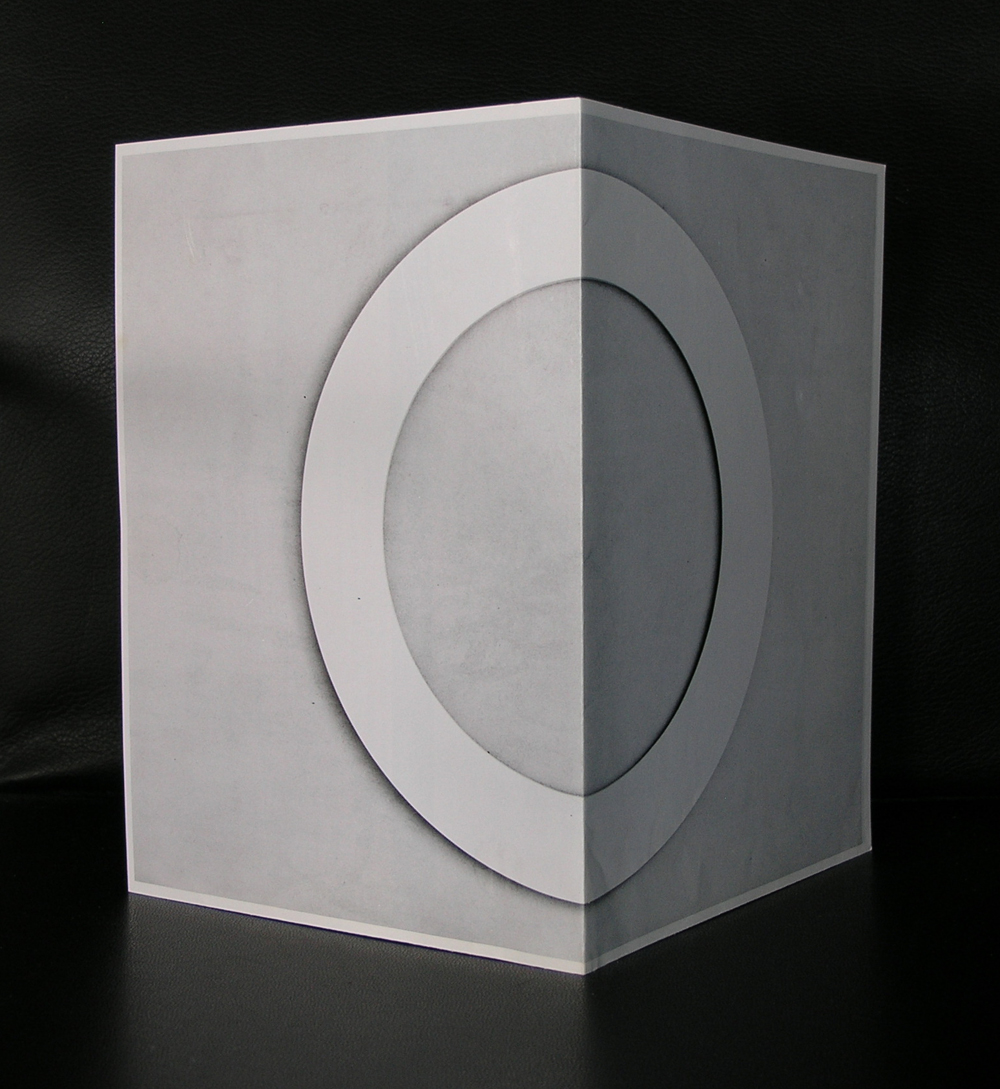
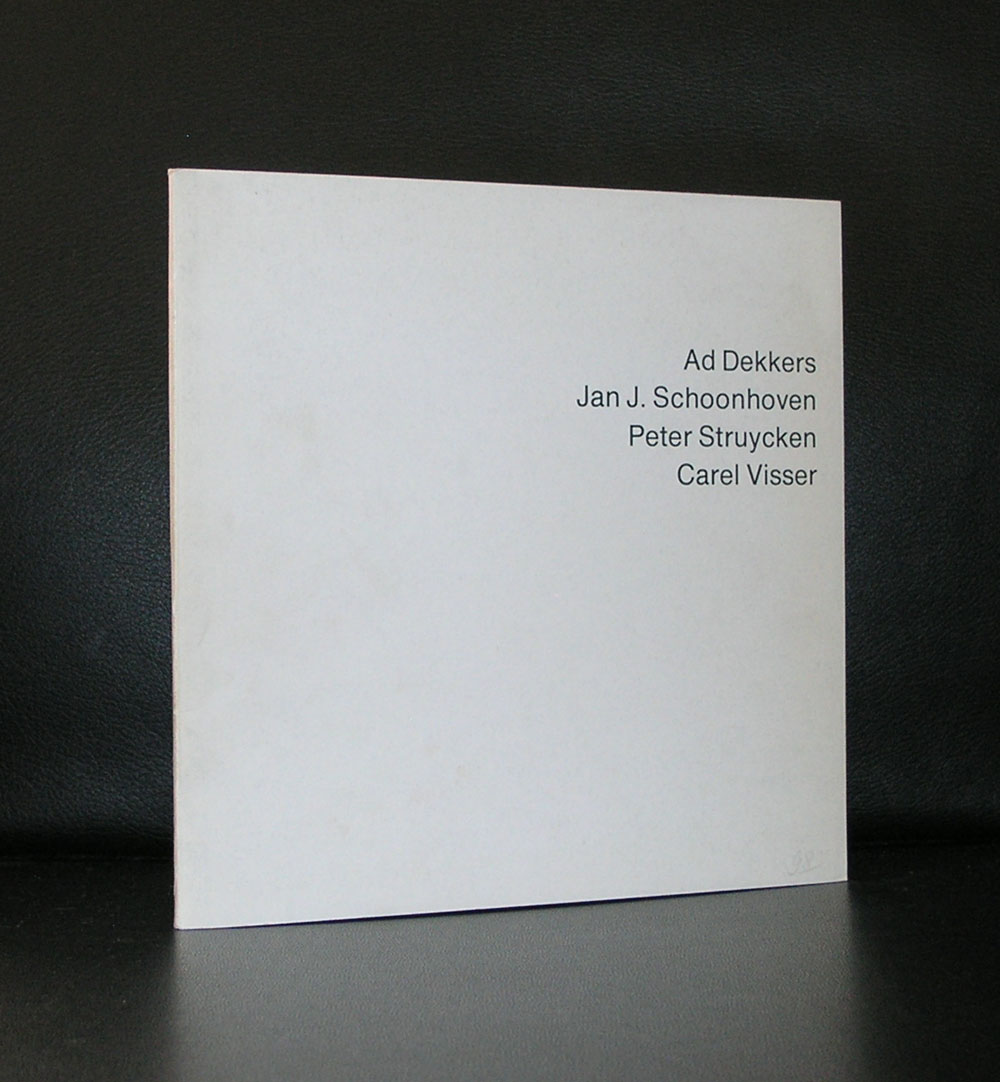
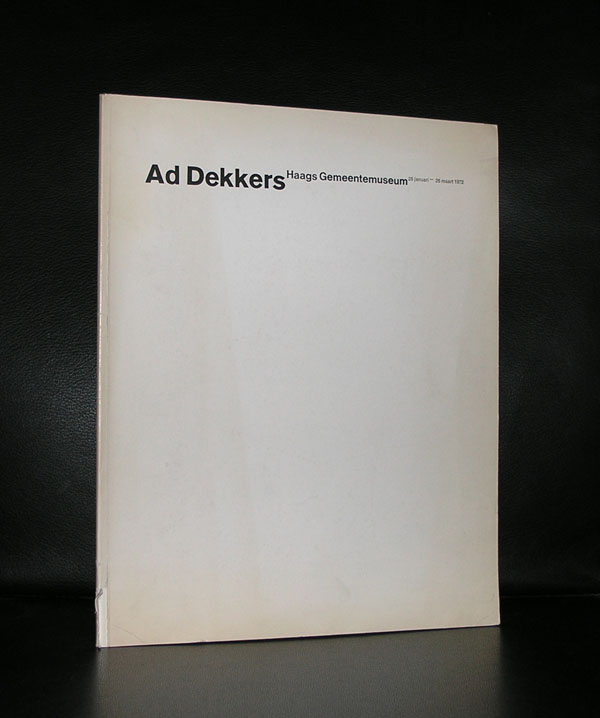
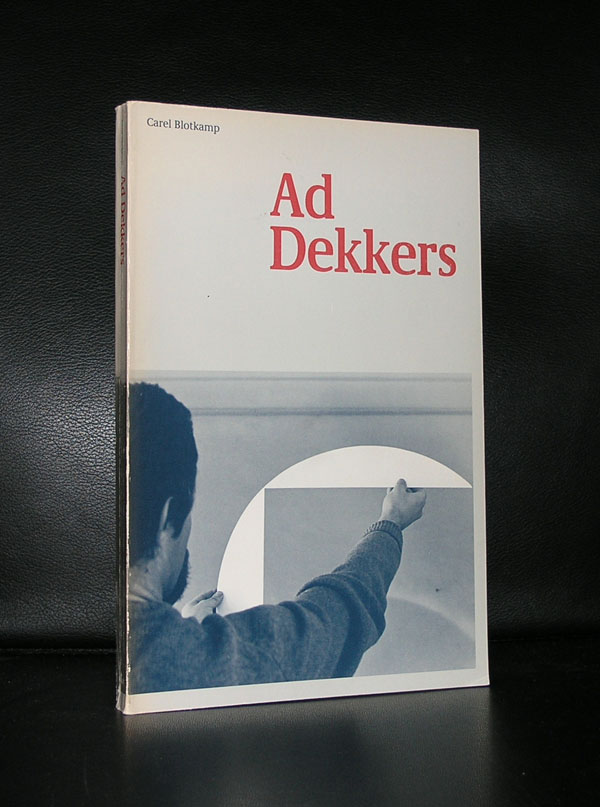
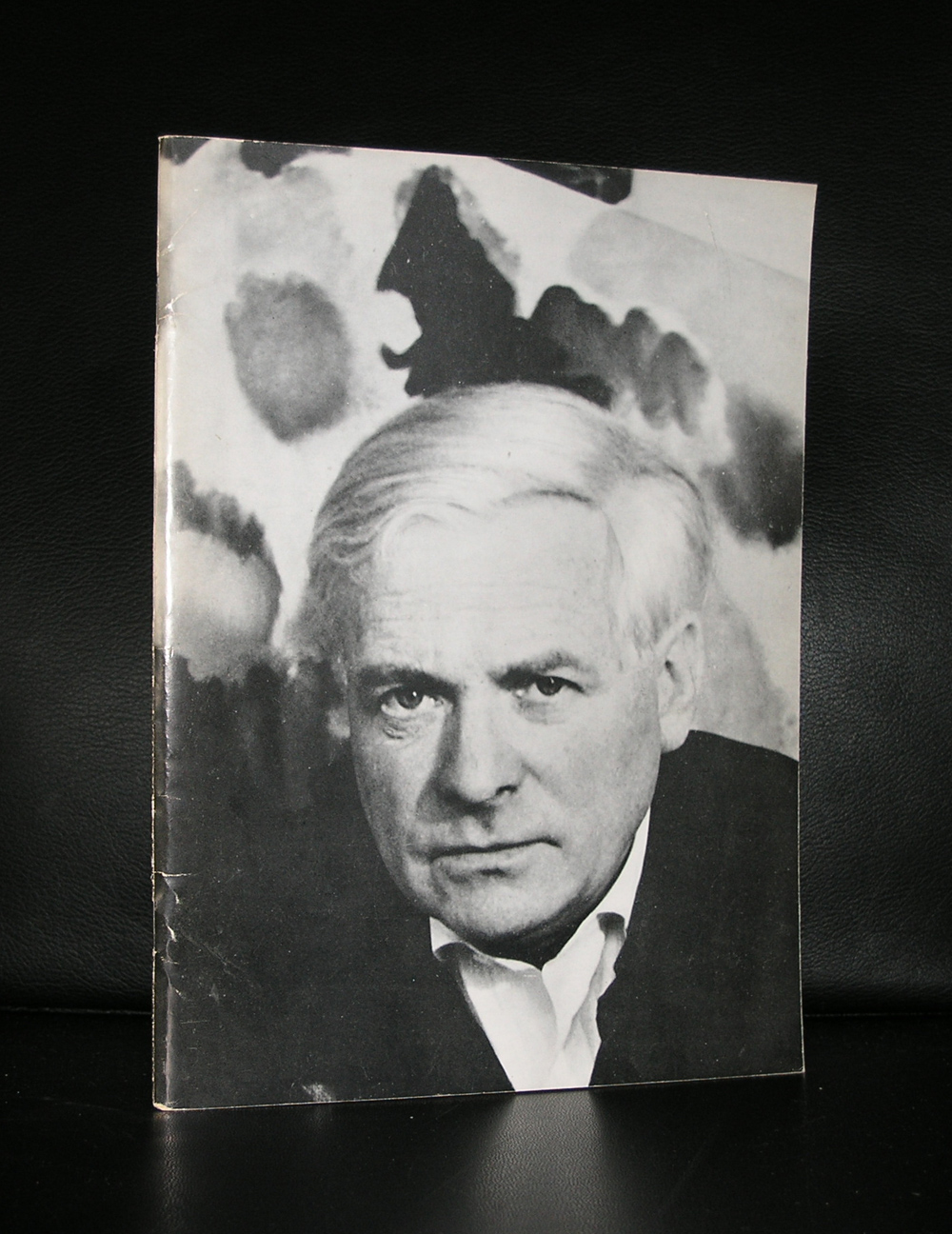
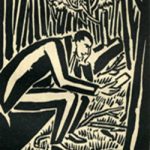
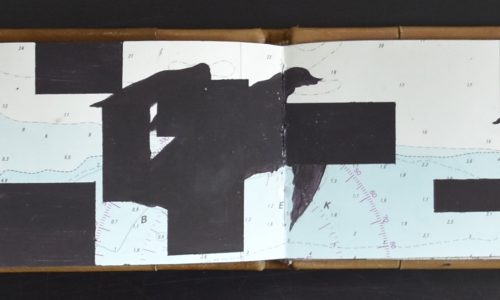
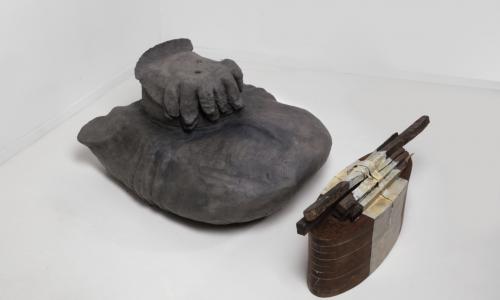
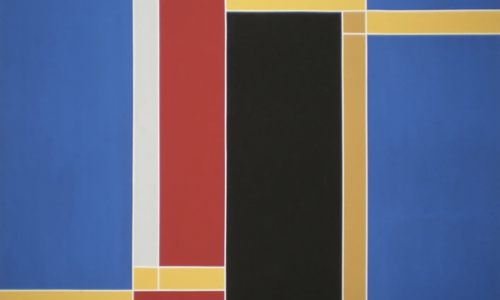
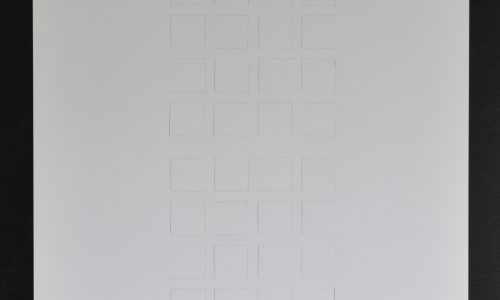
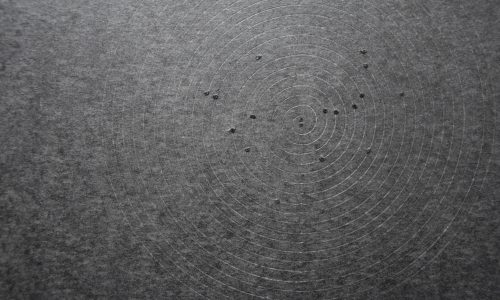
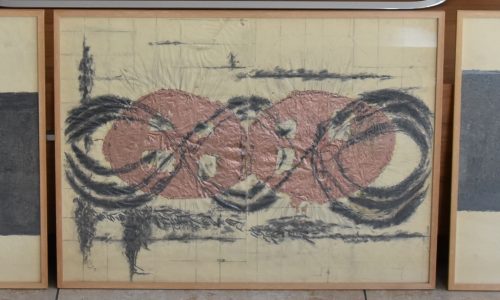
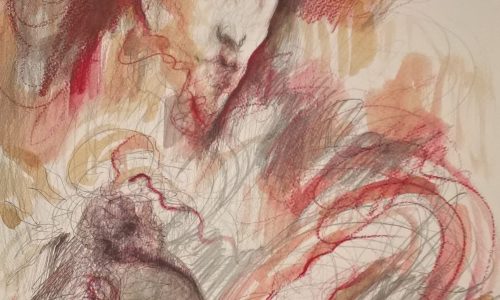
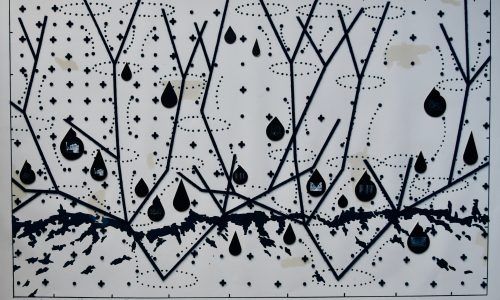
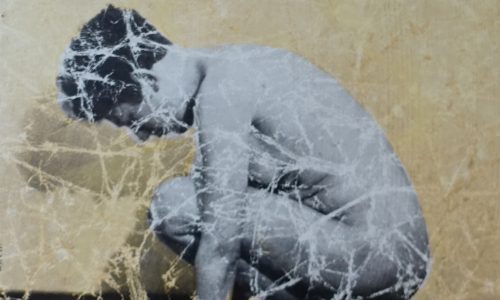
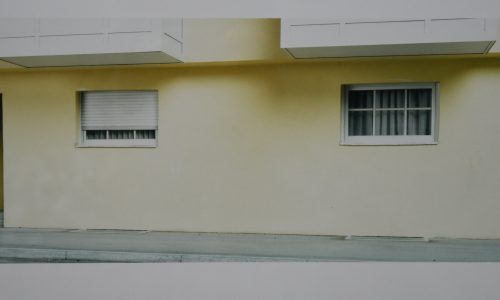
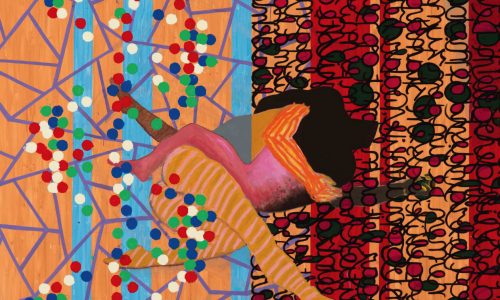
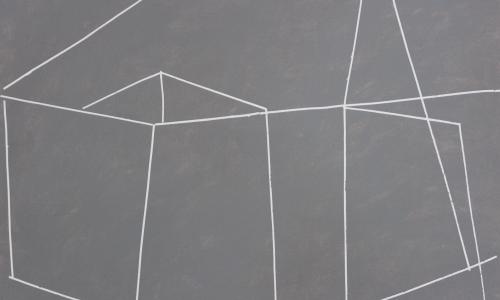
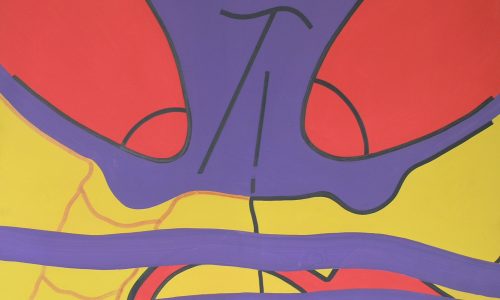
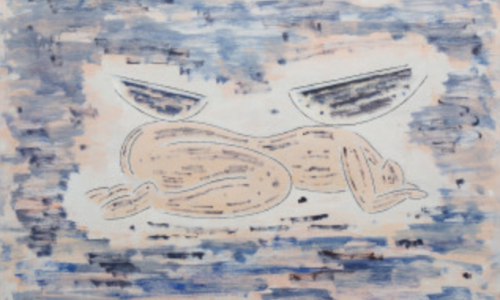
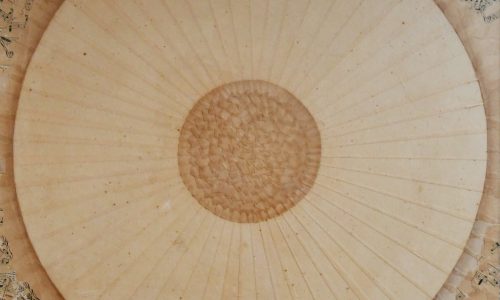
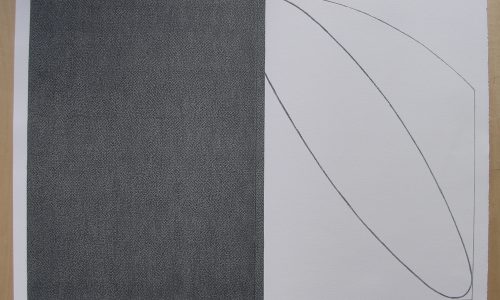
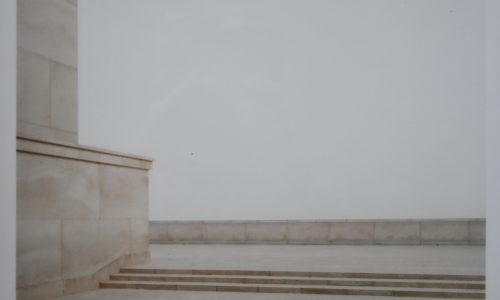
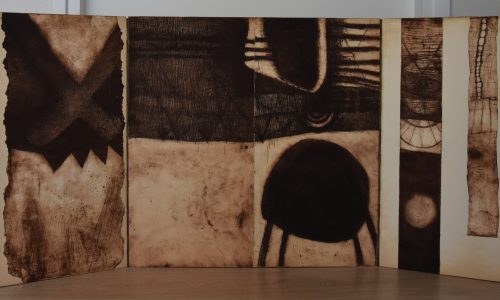
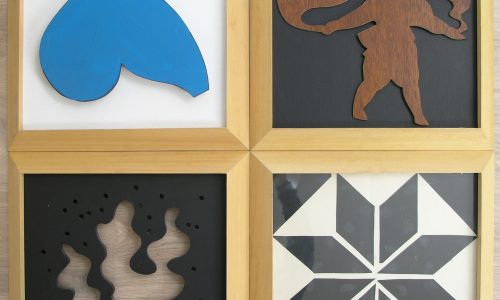
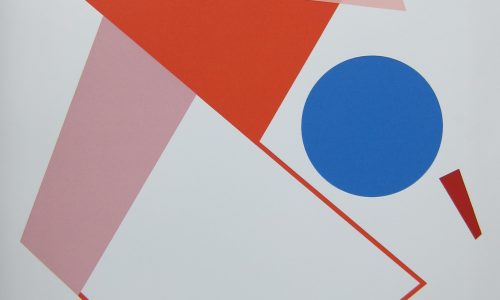
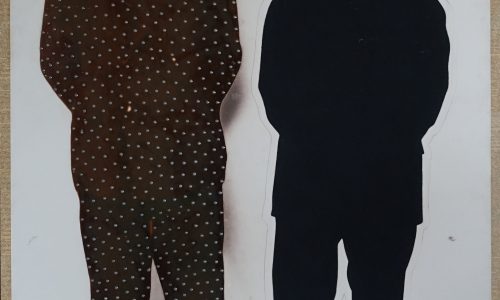
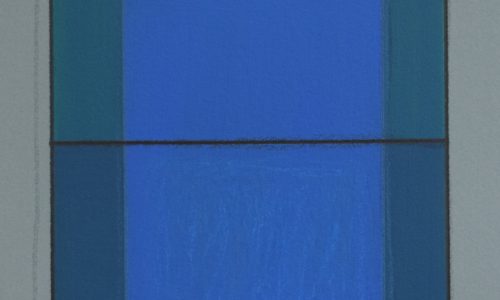
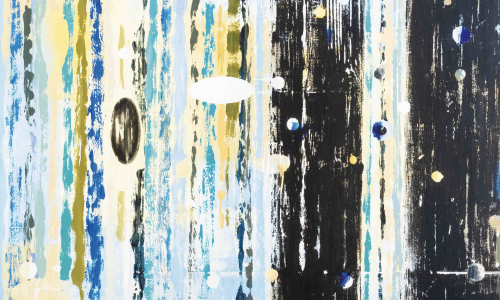
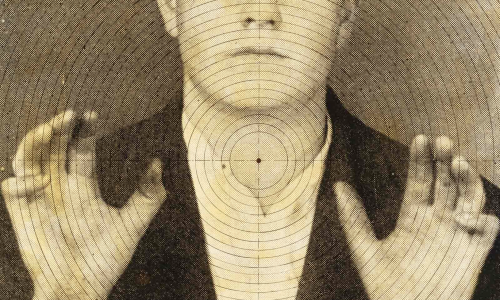
Ad Dekkers was probably the first dutch minimal artist and even is somehow related to the dutch NUL / ZERO art of the sixties and because of his age 36 , on the day he died, there are not too many works by Dekkers. His oeuvre is limited and most of the important works are to be found in dutch ( museum) collections. ALL important dutch museums have work(s) by Ad Dekkers in their collections and these works prove to be more and more important when you look at them in conjunction with other art from the sixties and seventies. Dekkers announced his own death. He was manic depressed and his suicide was no surprise to the ones that had known him. He left us a great and important oeuvre and many of the publications are available at www.ftn-books.com
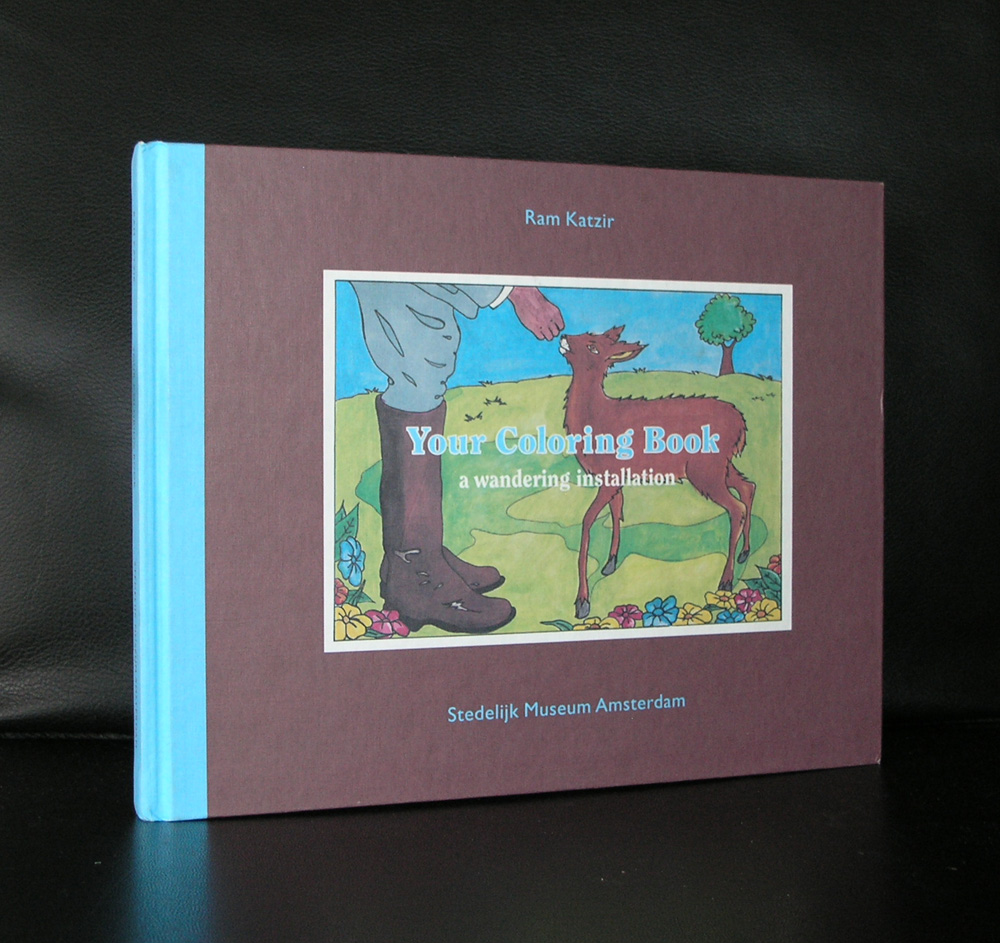
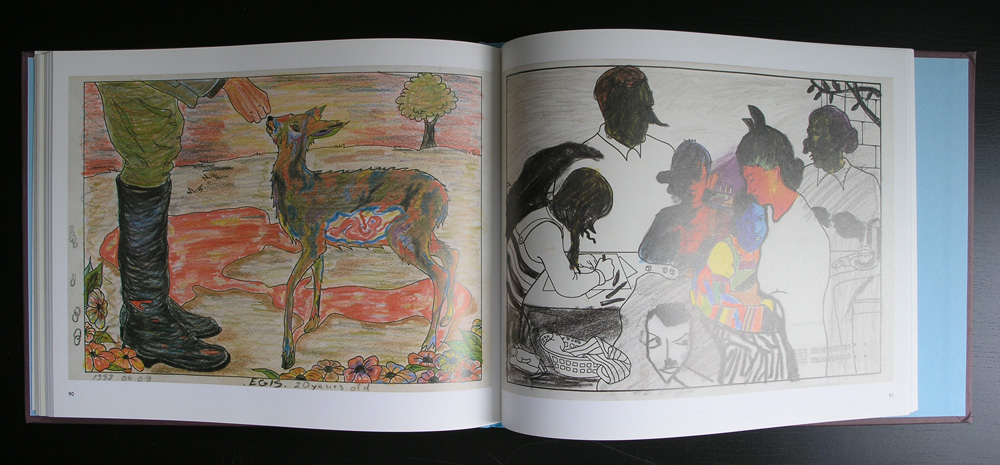
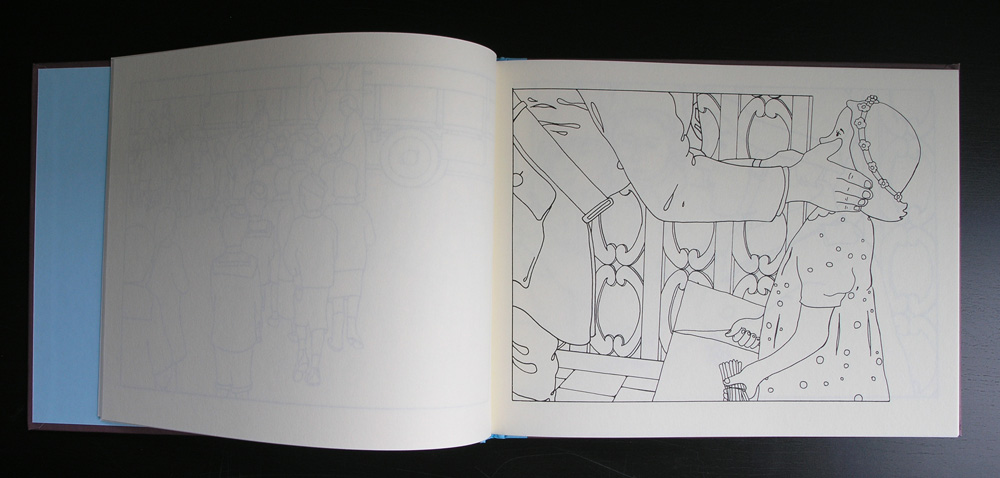
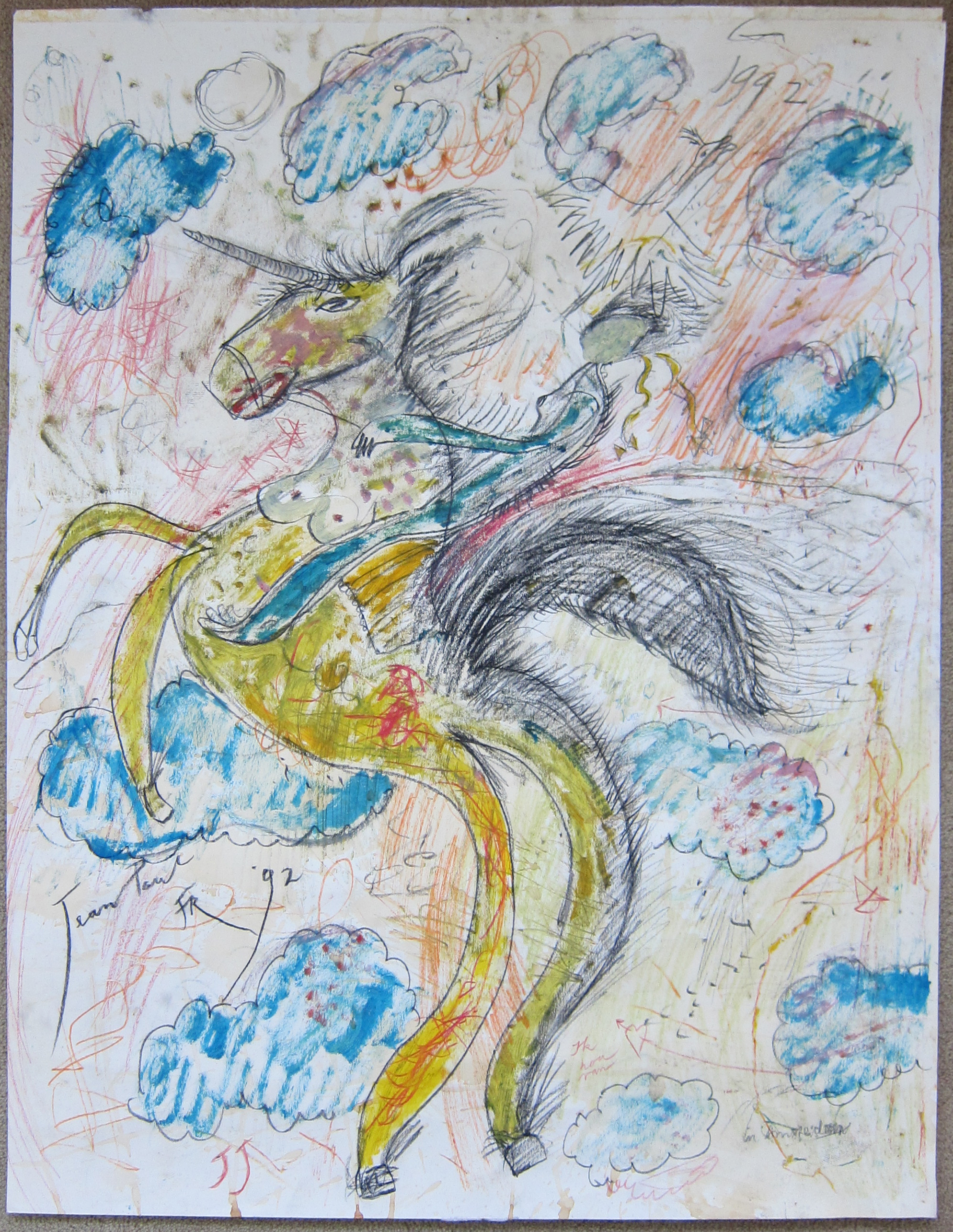
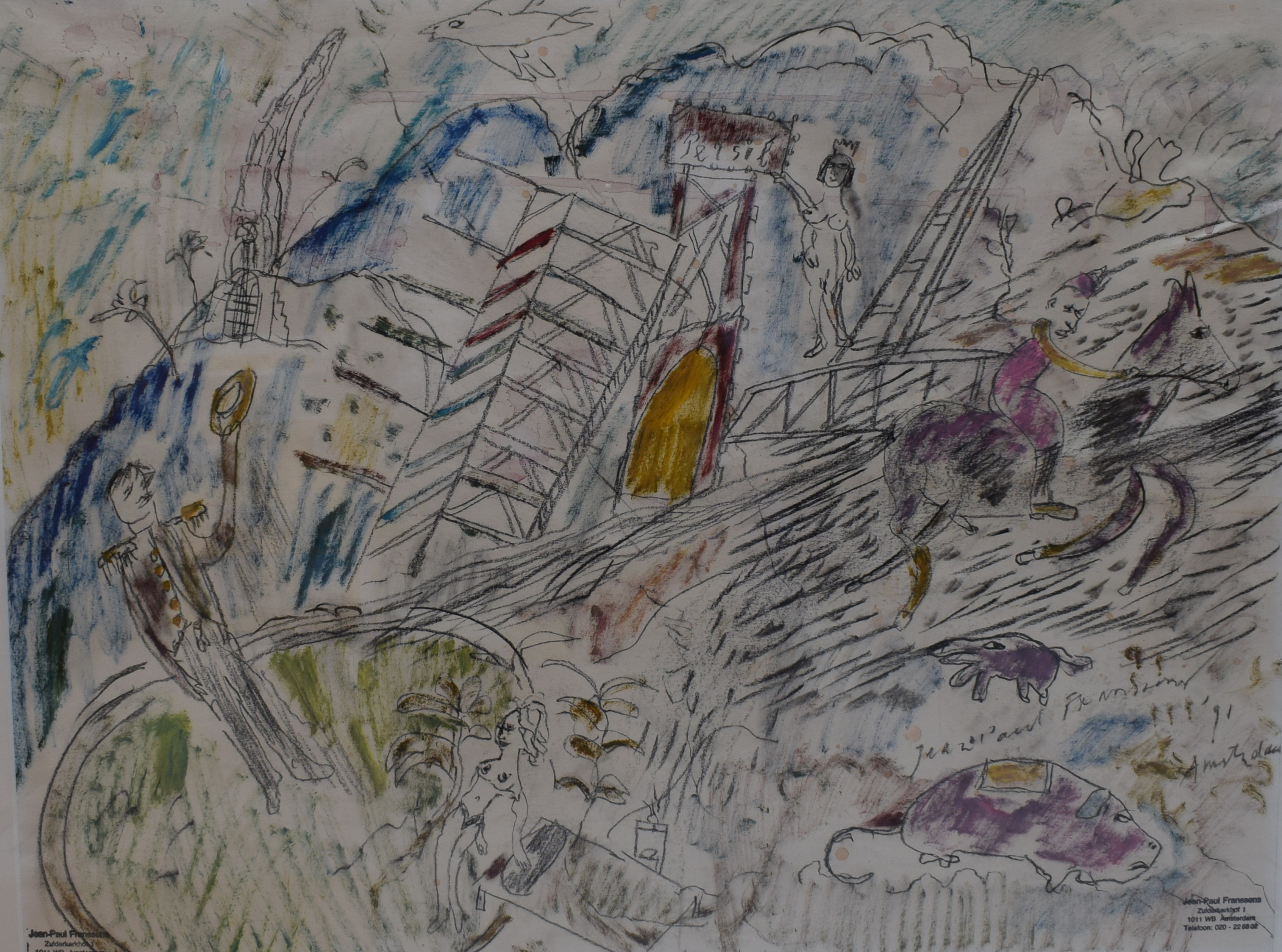
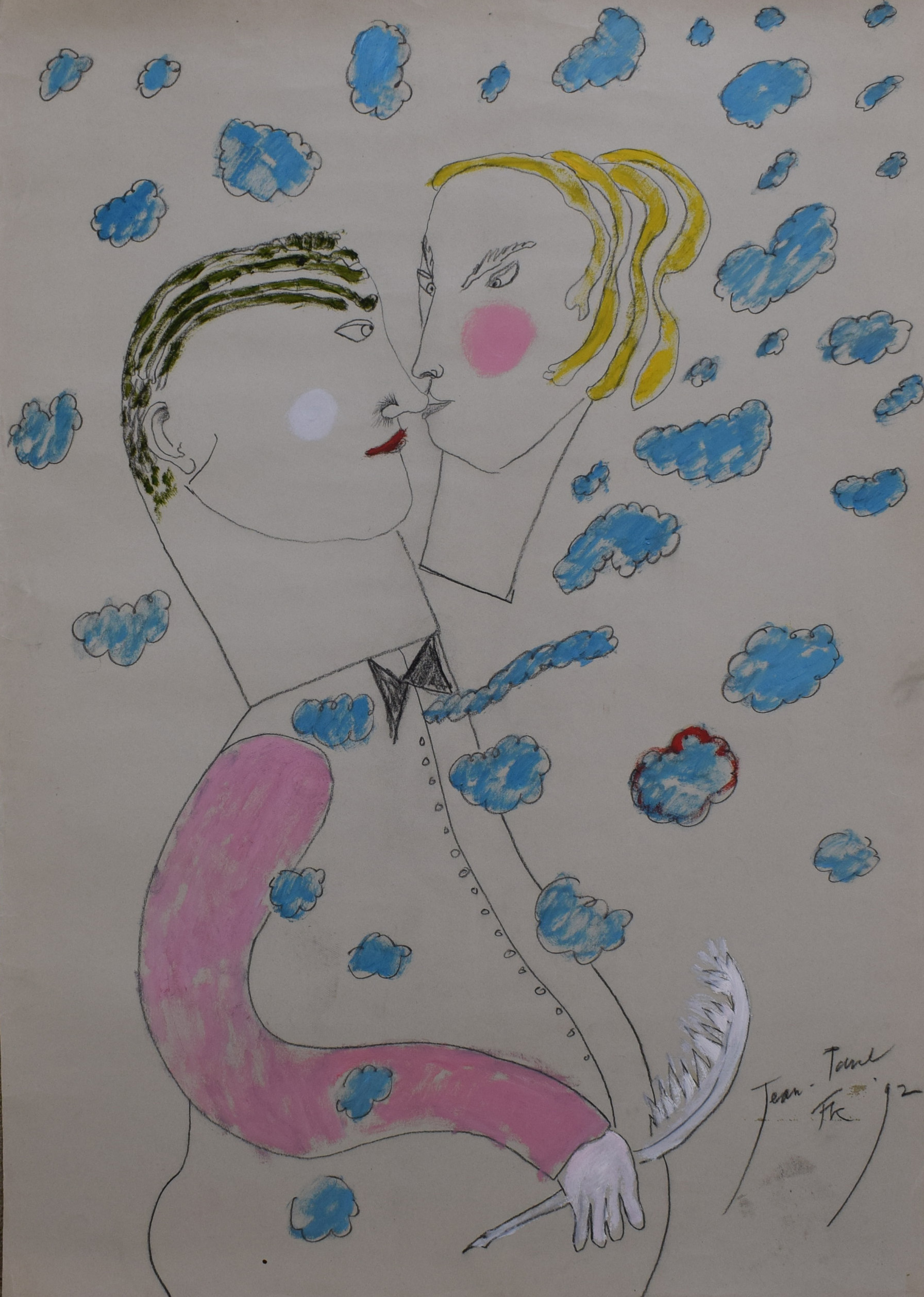
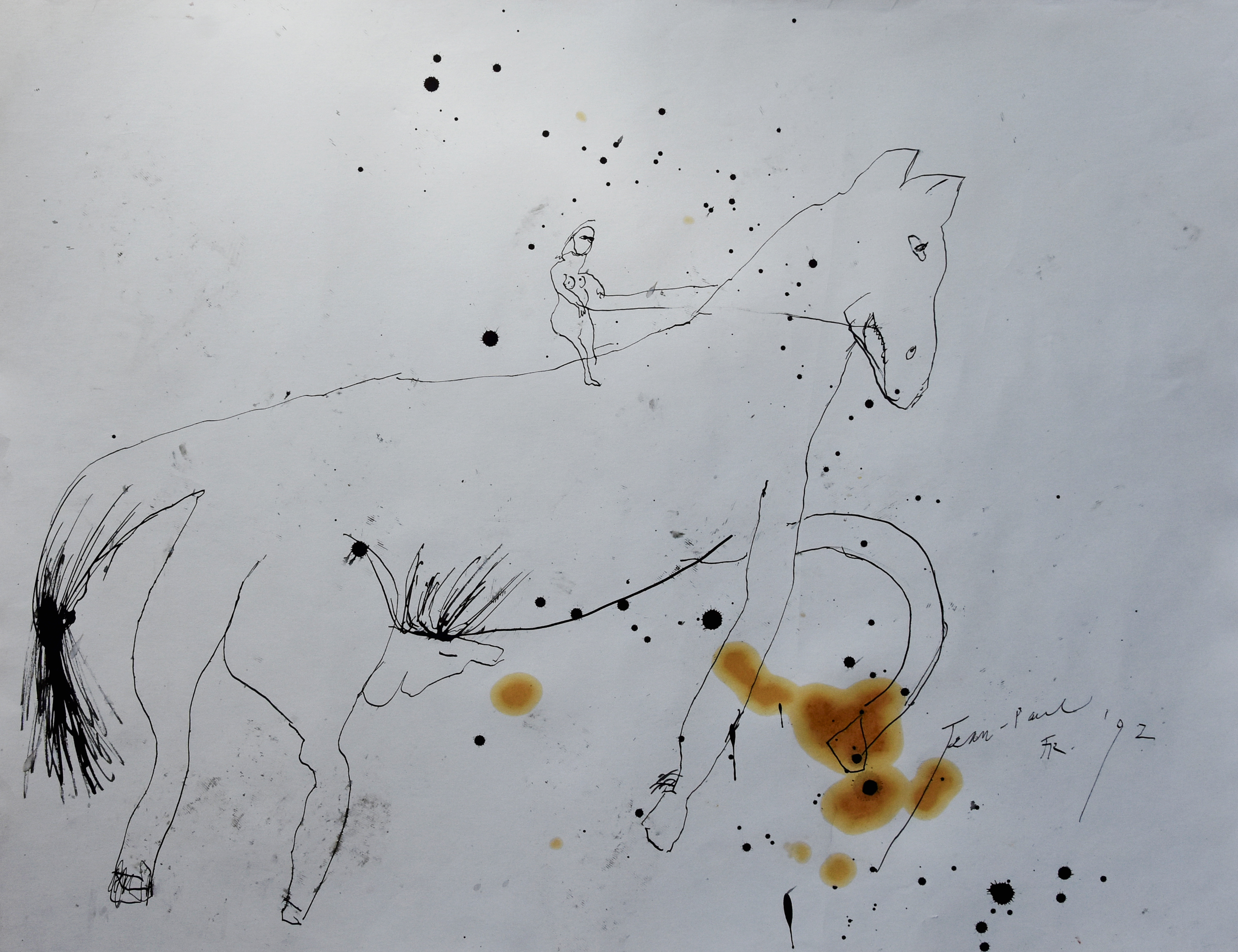
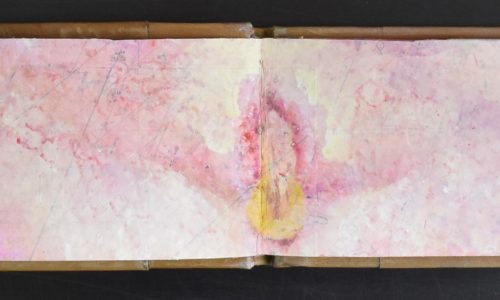
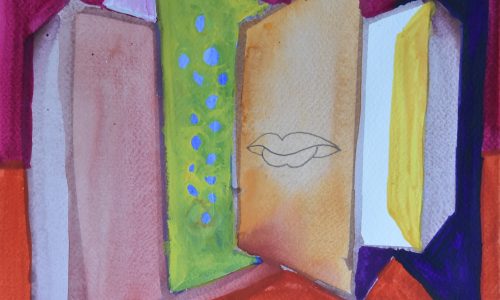
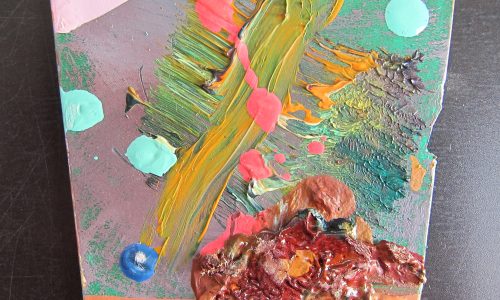
This dutch/Israeli graphic designer and sculptor is not very well known outside the Netherlands, but perhaps this will change in the future. He has studio’s in Amsterdam and Beijing. Until 10 years ago i did not know this artist either, but because of a fantastic pubication he made for the Stedelijk Museum ( Your coloring book) he became known to me. Far before publishers discovered the commercial value of coloring books and the soothing and comforting qualities of coloring books. This book combines both. It is an artist book and coloring book in one and still available at www.ftn.books.com
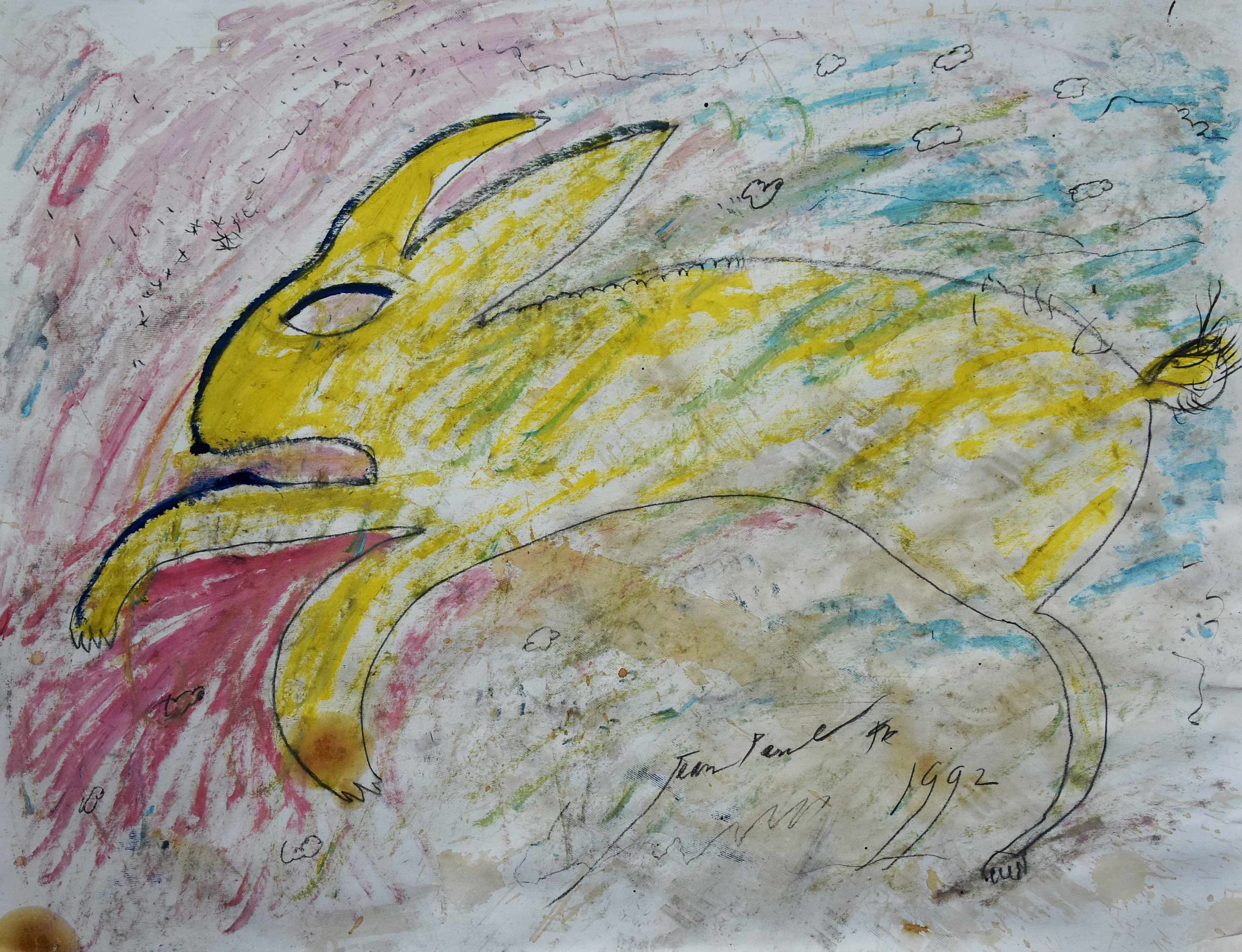
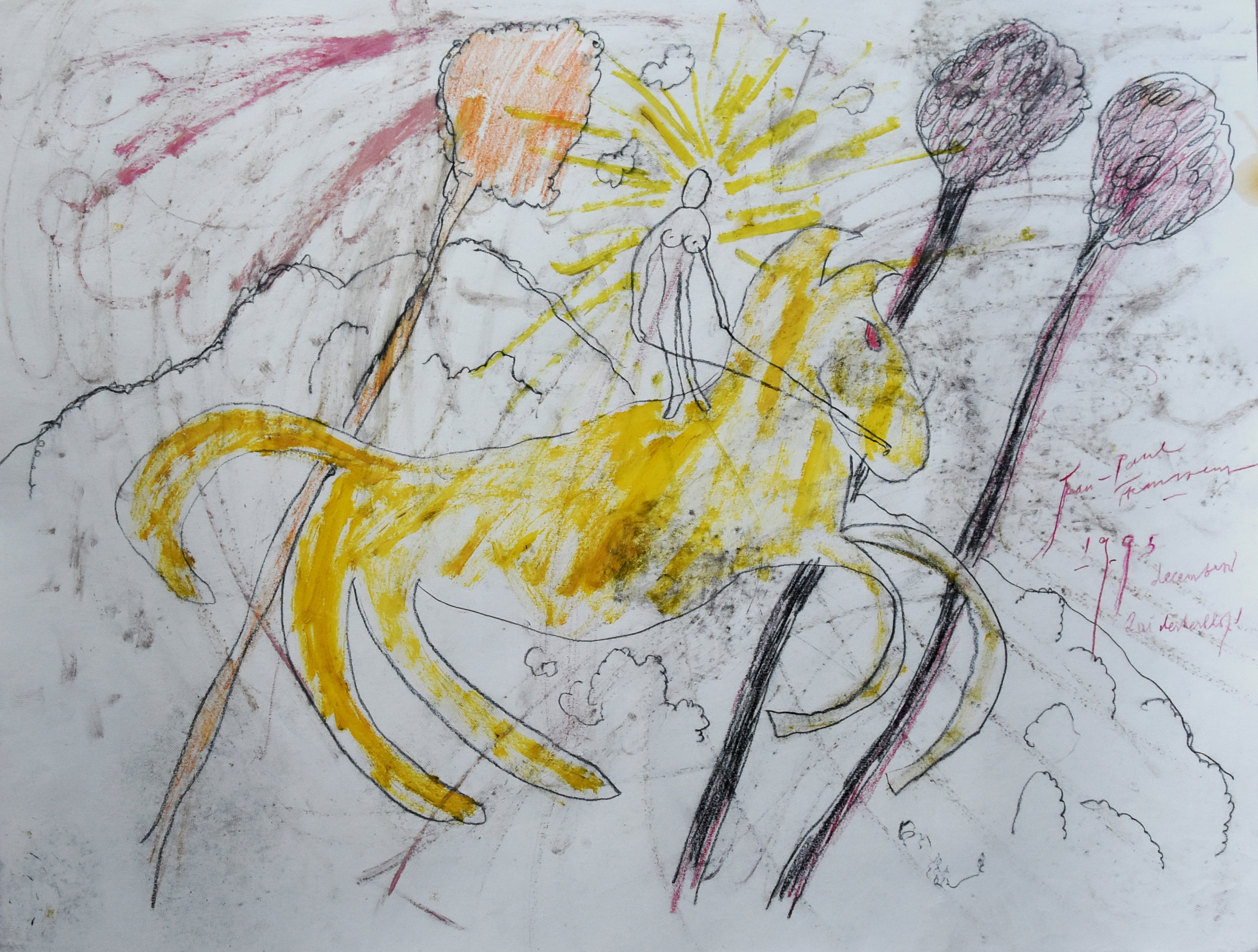
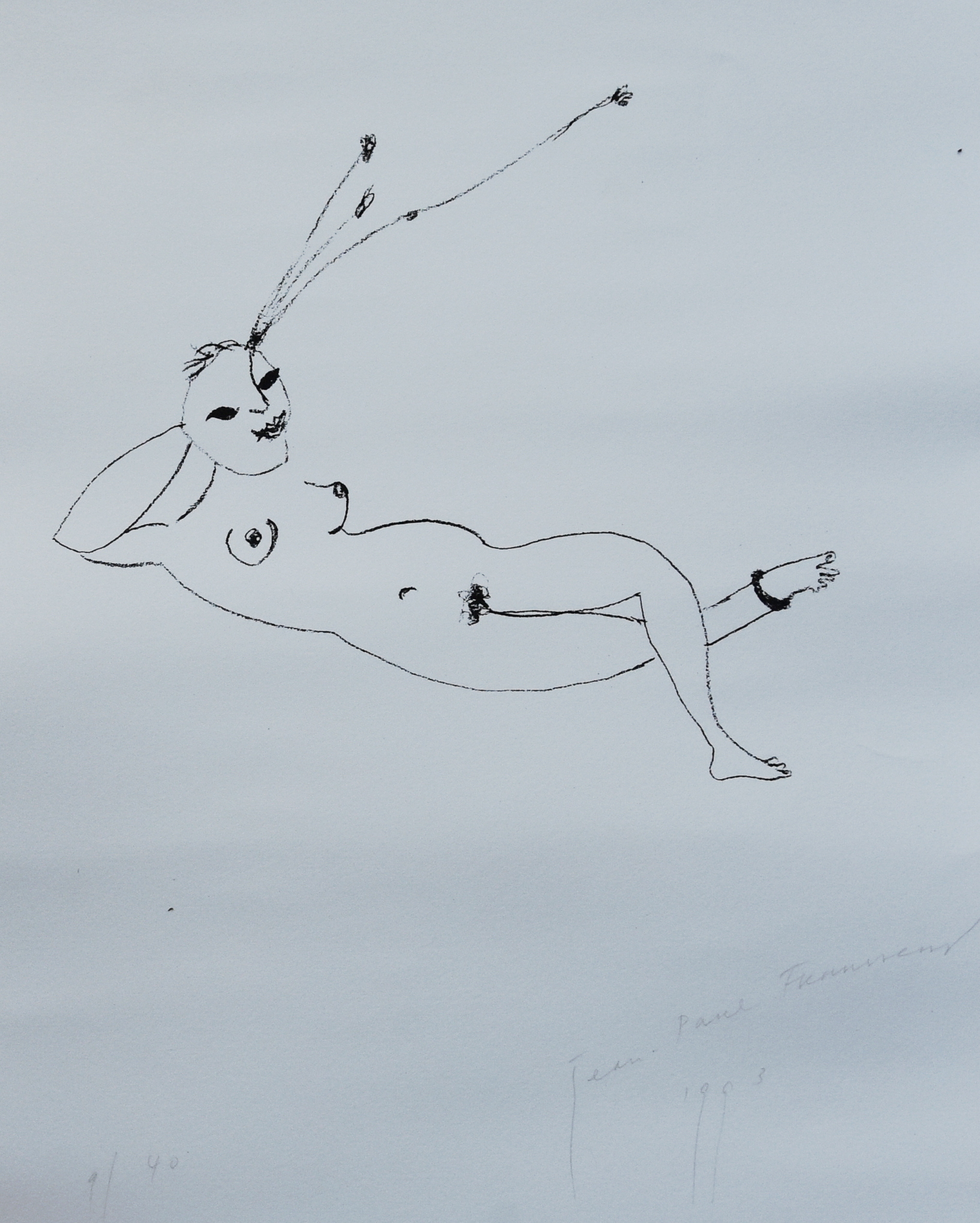
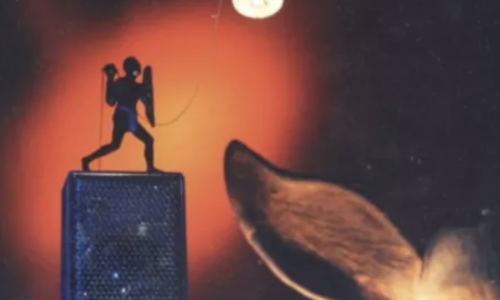
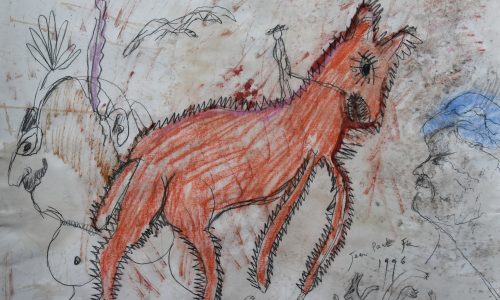
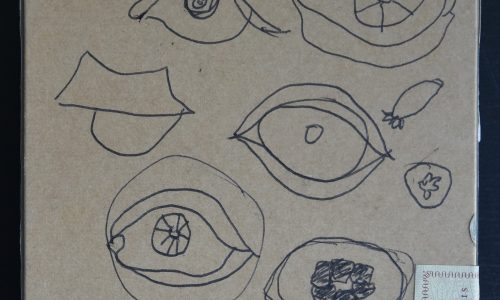
It has been almost 20 years ago that i acquired my first Jean-Paul Franssens drawing and since, ever when i had the opportunity to acquire another work ,i did and finally yesterday i was presented with the latest addition to my collection … a beautiful large yellow rabbit from 1992. I am proud to show you the collection as it is now and please look at www.kunstveiling.nl for the prints by Jean-Paul Franssens which i am offering now.
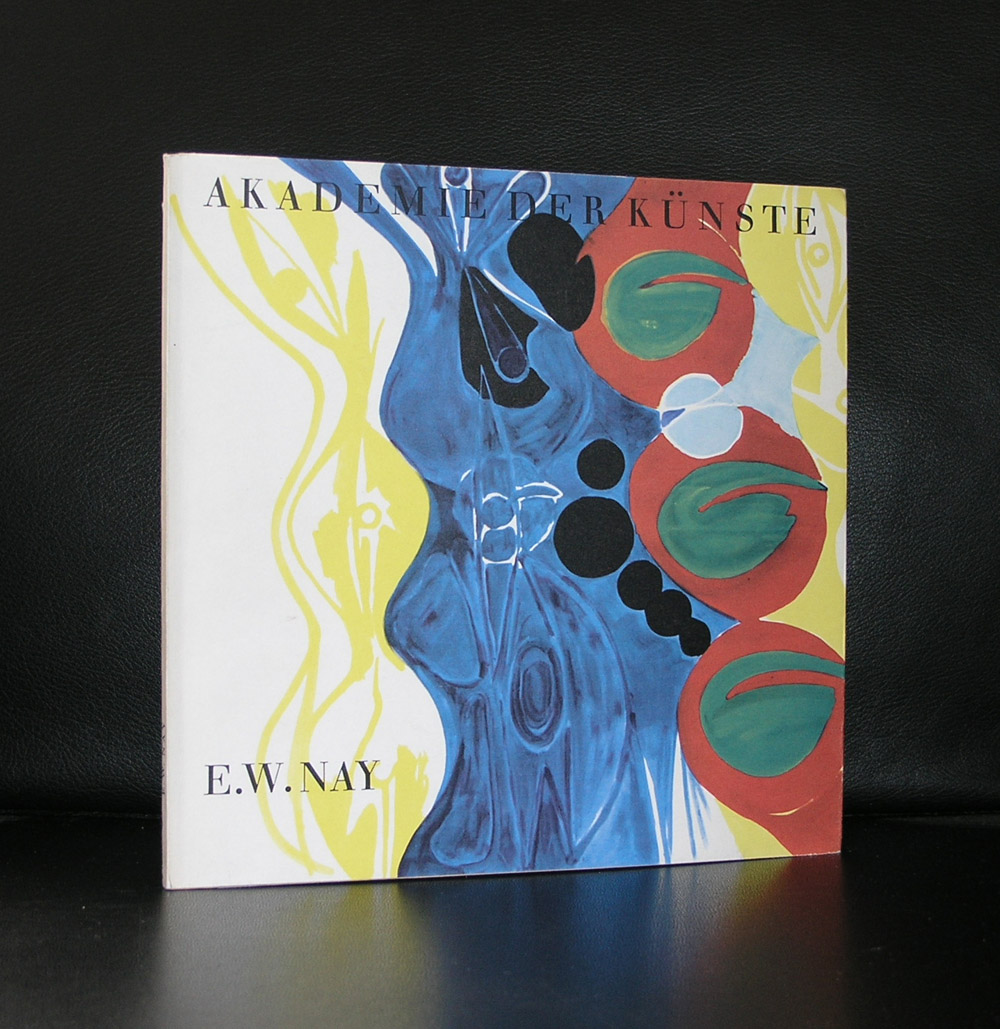
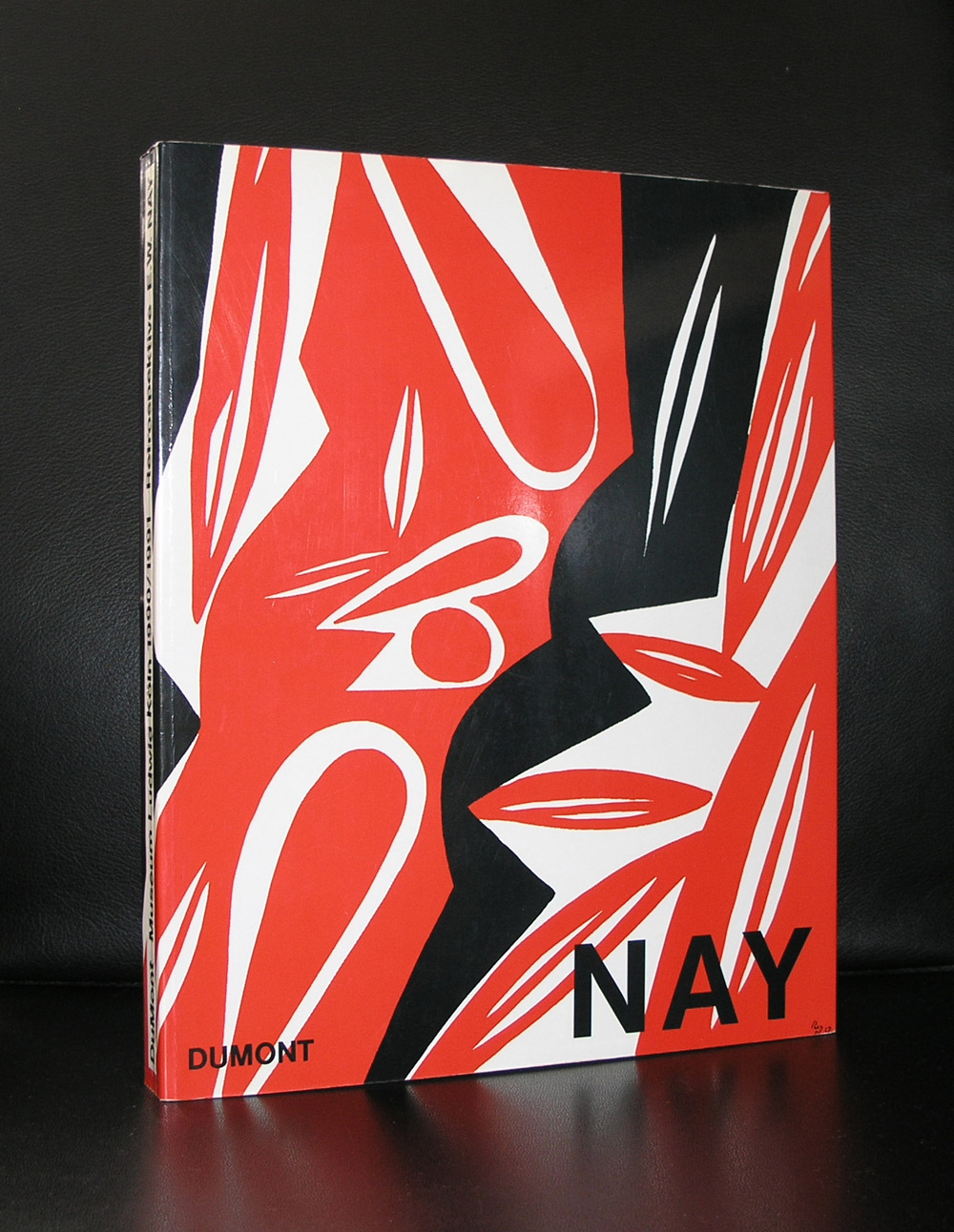
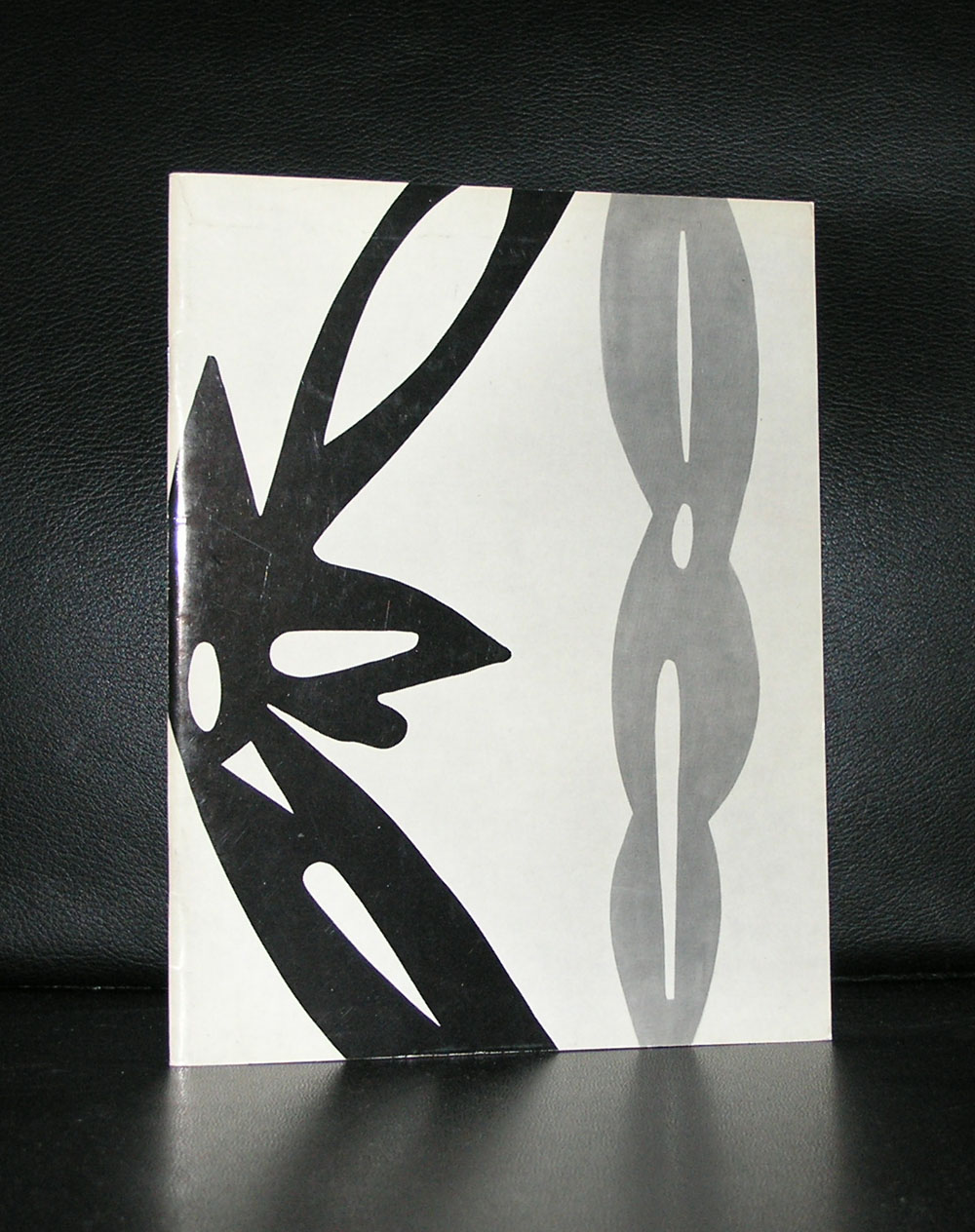
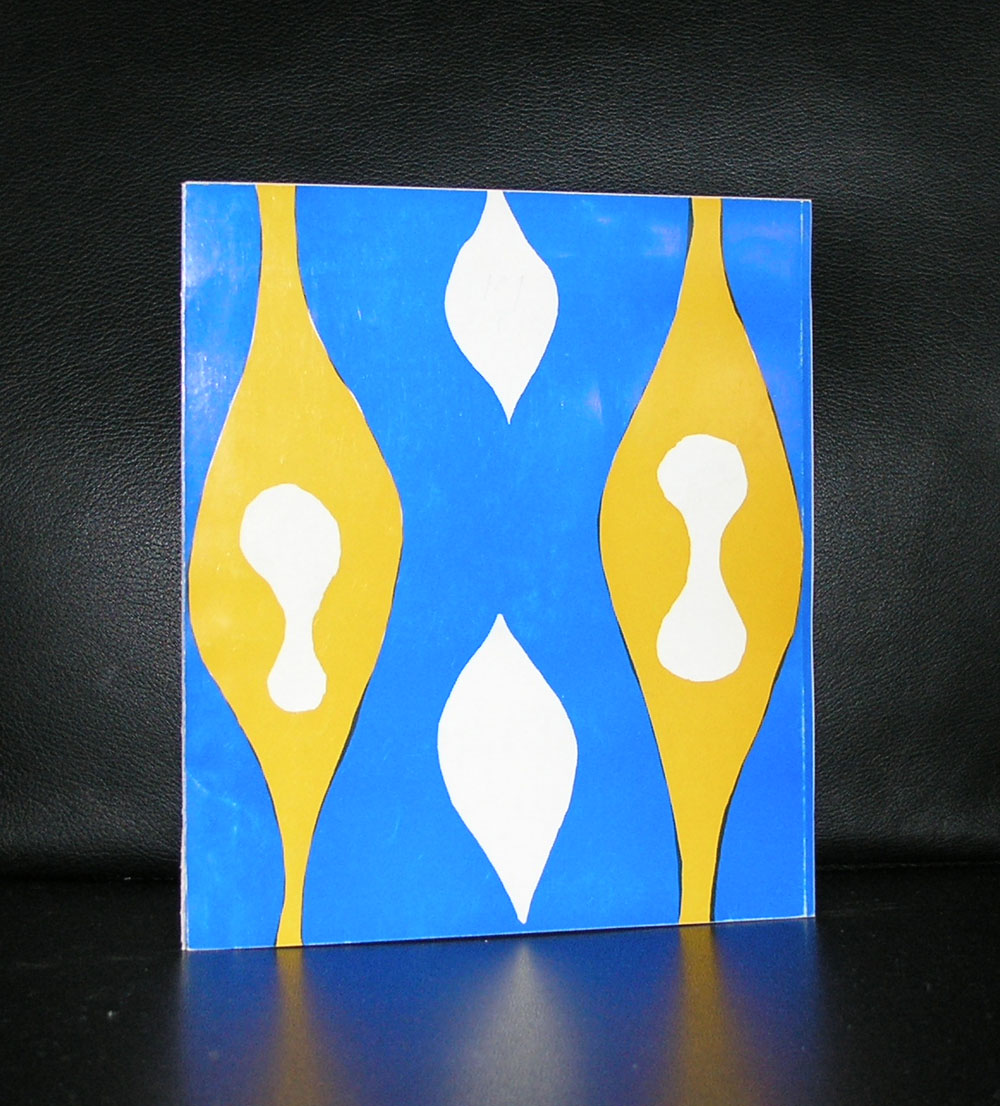
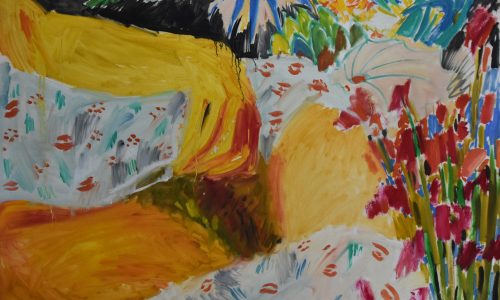
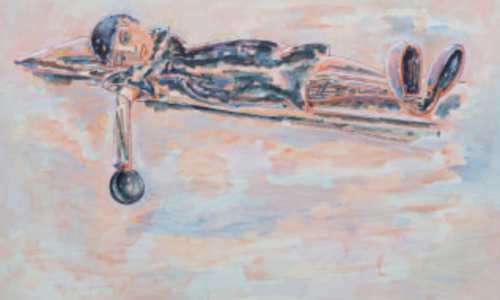
Another artist of whom i saw work for the first time in the Stedelijk Museum was Ernst Wilhelm Nay. The first impression you get it is a modern version of Matisse, but studying it in more detail you find differences and a style which is completely original. I found an excellent article on Nay in the ART DIRECTORY which i copied .
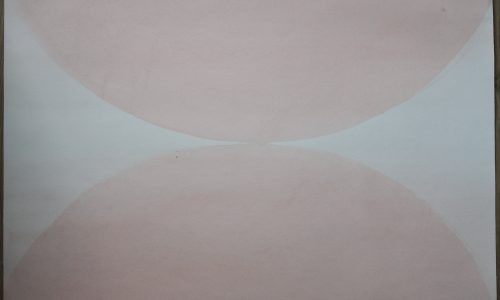
Ernst Wilhelm Nay studied under Karl Hofer at the Berlin Art Academy from 1925 until 1928. His first sources of inspiration resulted from his preoccupation with Ernst Ludwig Kirchner and Henri Matisse as well as Caspar David Friedrich and Nicolas Poussin. Nay’s still lifes, portraits and landscapes were widely acclaimed. In 1931 Ernst Wilhelm Nay received a nine-months’ study bursary to the Villa Massimo in Rome, where he began to paint in the abstract Surrealist manner. On the recommendation of the Lübeck museum director, C.G. Heise, Nay was given a work grant financed by Edvard Munch, which enabled Nay to spend time in Norway and on the Lofoten Islands in 1937. The “Fischer- und Lofotenbilder” represented a first pinnacle of achievement. That same year, however, two of his works were shown in the notorious exhibition of “Degenerate Art” and Ernst Wilhelm Nay was forbidden to exhibit any longer. Conscripted into the German armed forces in 1940, Nay went with the infantry to France, where a French sculptor placed his studio at Nay’s disposal. In the “Hekatebildern” (1945-48), featuring motifs from myth, legend and poetry, Nay worked through his war and postwar experiences. The “Fugale Bilder” (1949-51) proclaim new beginnings in a fiery palette and entwined forms. In 1950 the Kestner Gesellschaft Hannover mounted a first retrospective of Nay’s work. The following year the artist moved to Cologne, where, with the “Rhythmischen Bildern” he took the final step towards entirely non-representational painting. In them he began to use colour purely as figurative values. From 1955 Nay’s painted “Scheibenbilder”, in which round colour surfaces organize subtle modulations of space and colour. These are developed further in 1963-64 in what are known as the “Augenbilder”. A first one-man-show in America at the Kleeman Galleries, New York, in 1955, participation in the 1956 Venice Biennale and the Kassel “documenta” (1955, 1959 and 1964) are milestones marking Nay’s breakthrough on the international art scene. Ernst Wilhelm Nay was awarded important prizes and is represented by work in nearly all major exhibitions of German art in Germany and abroad.
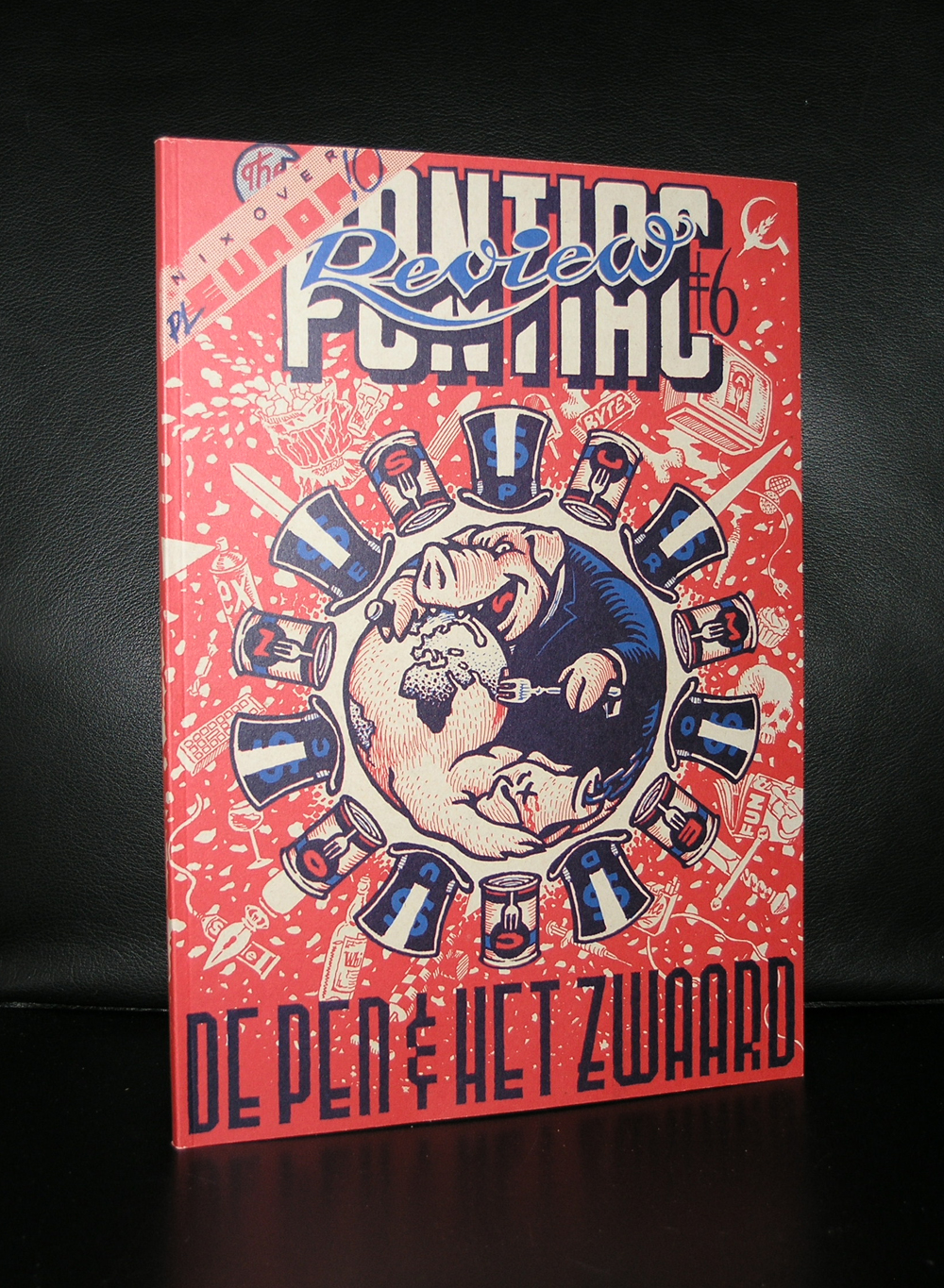
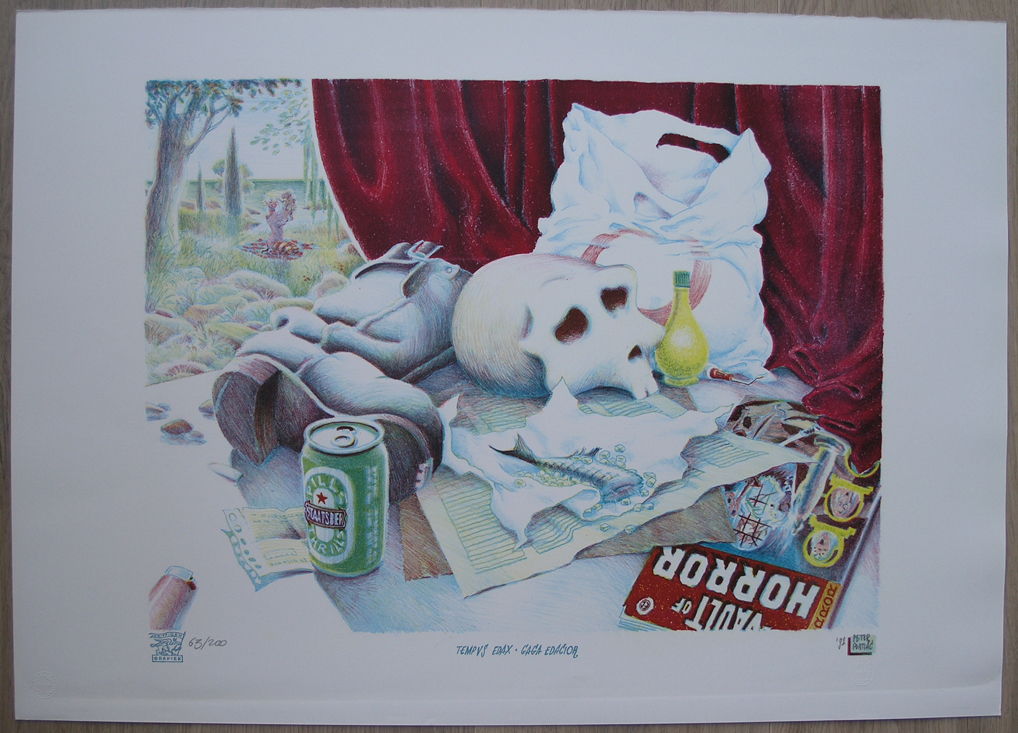
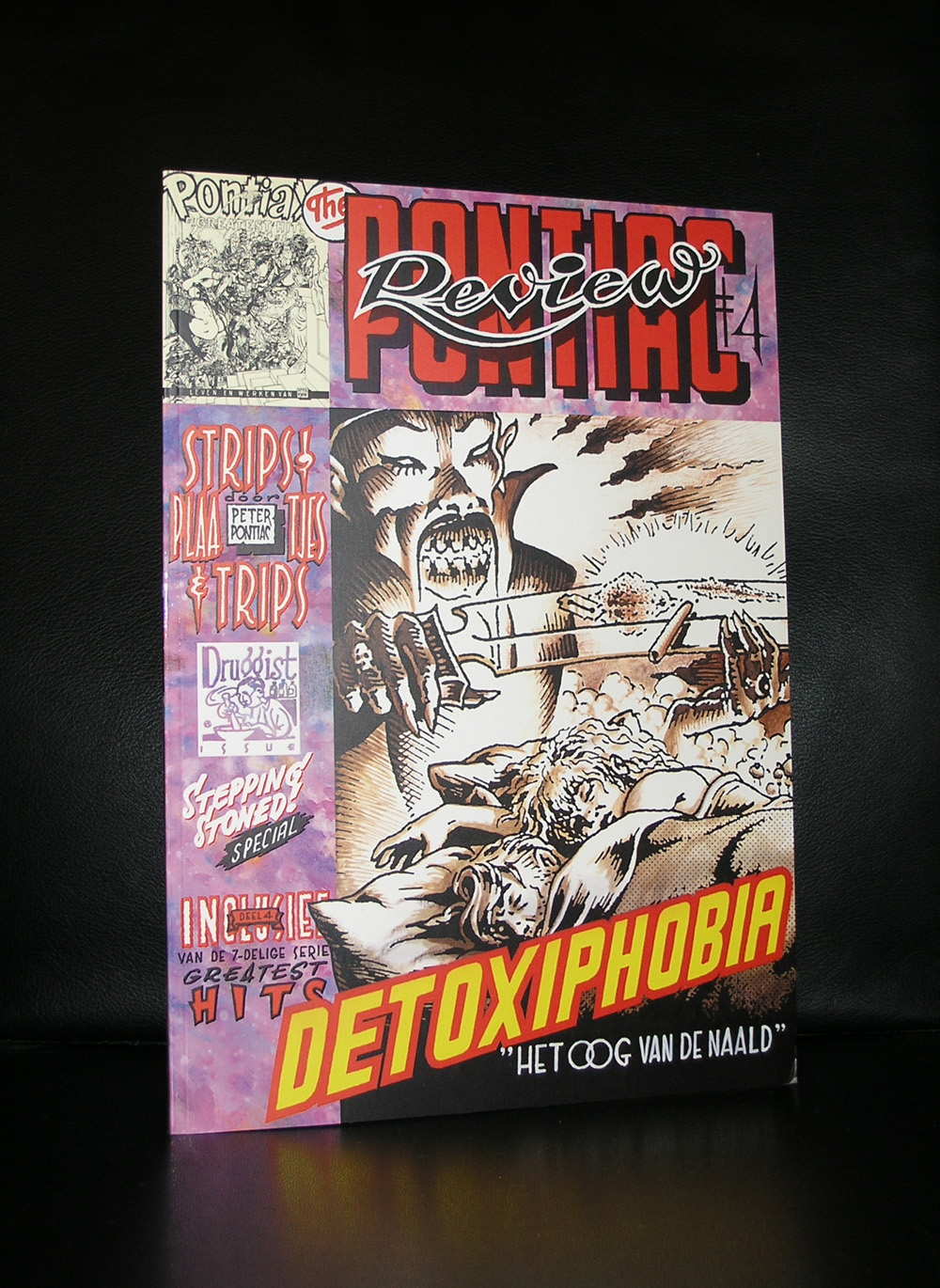
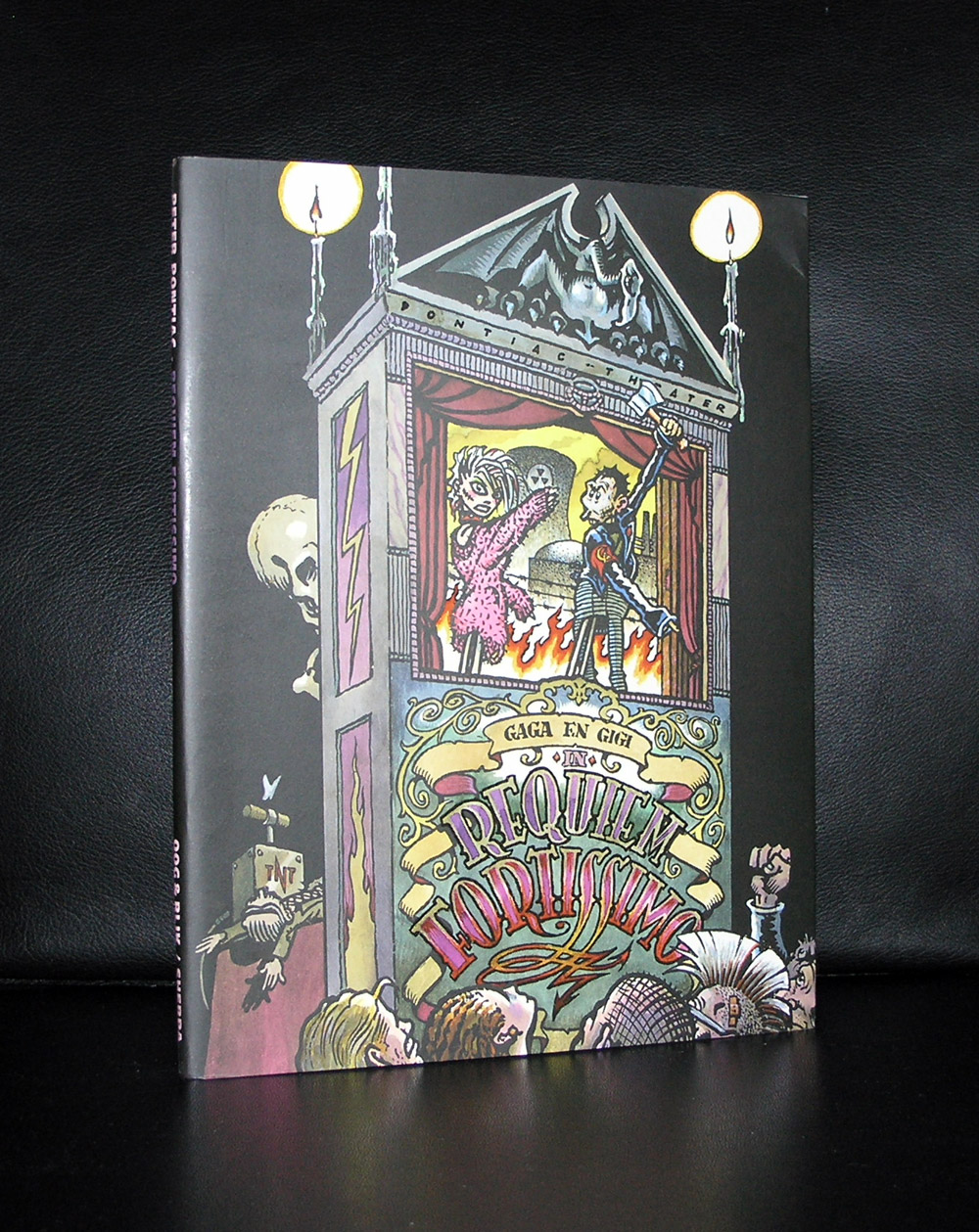
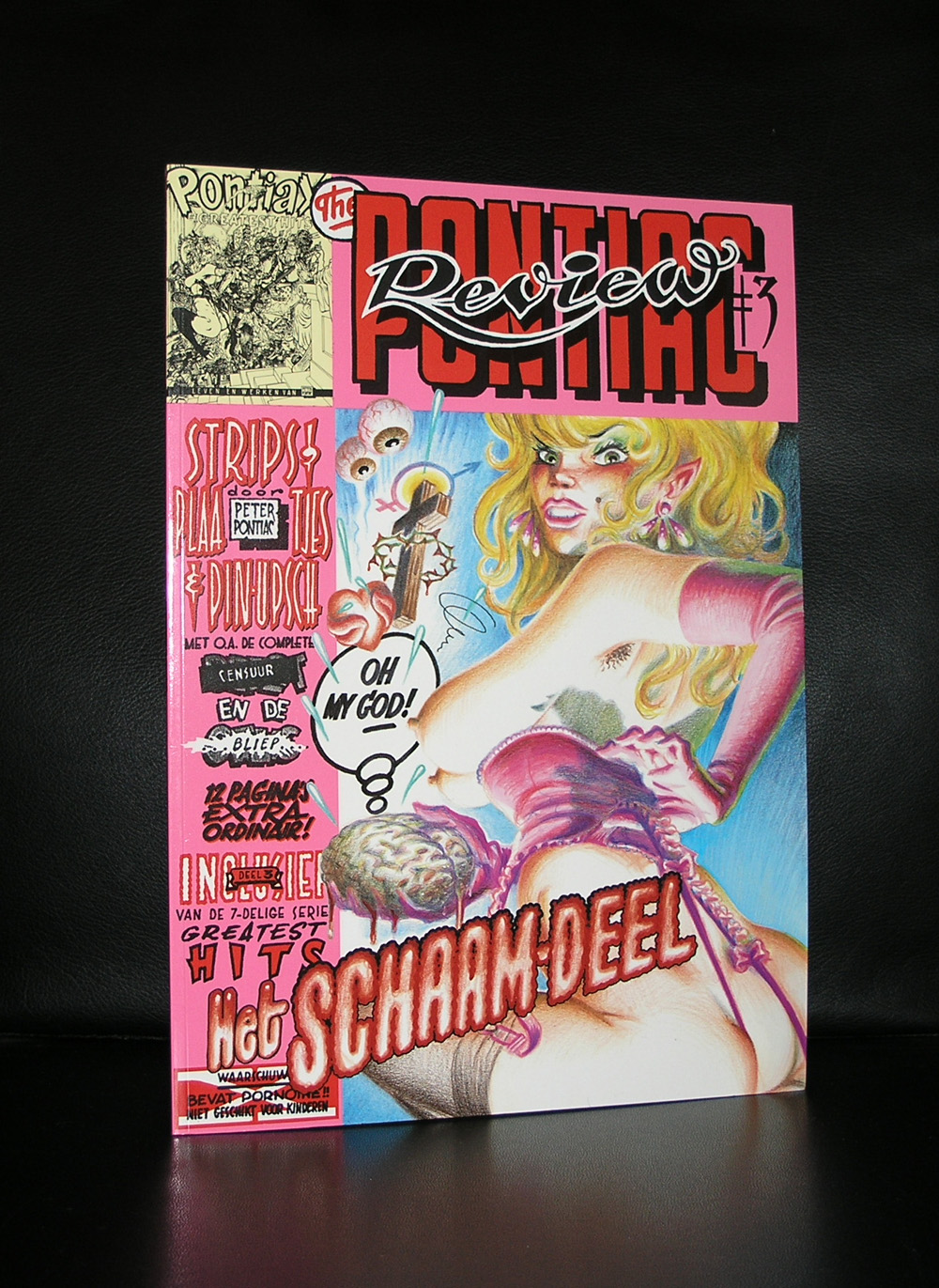
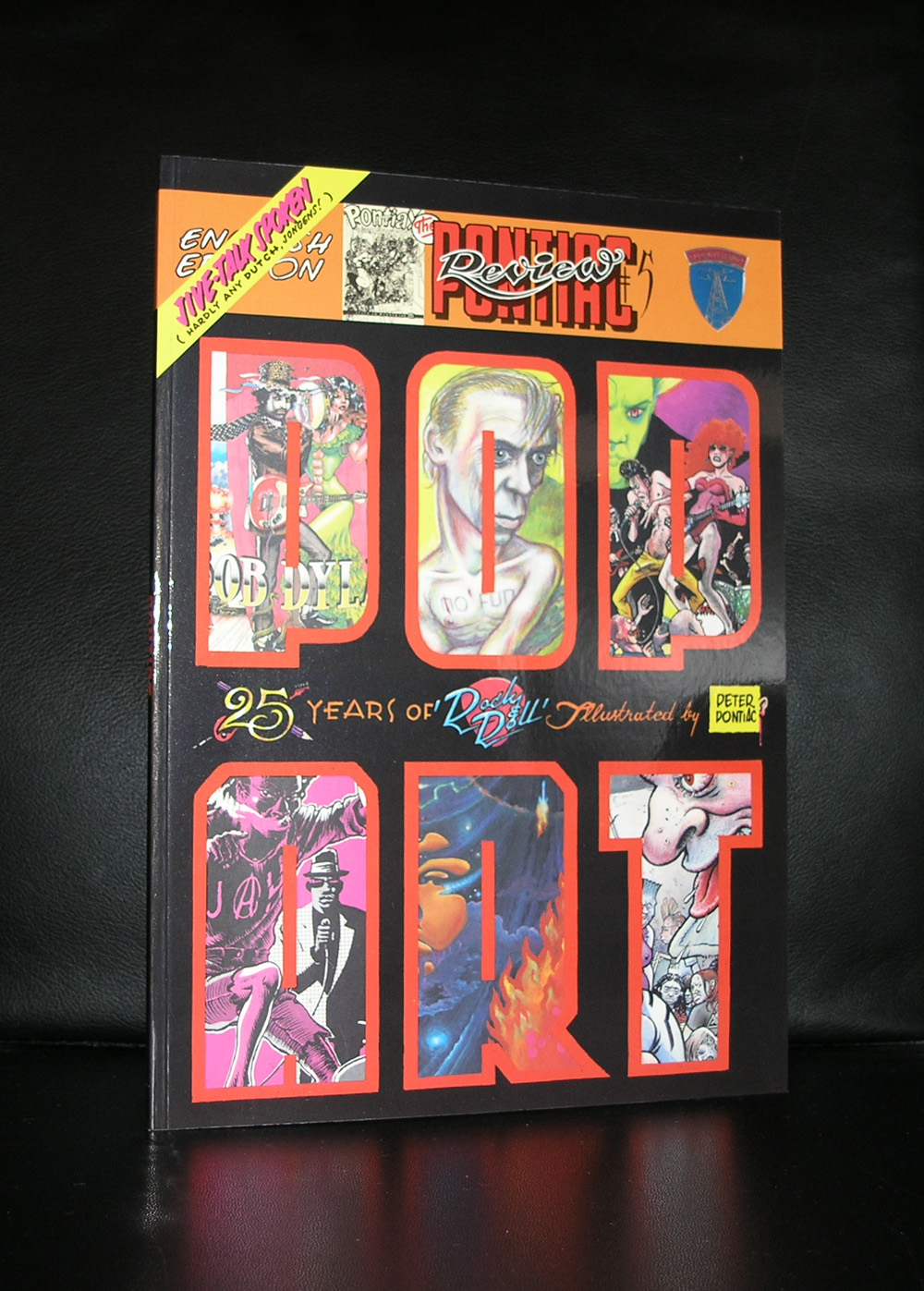
Because i have a lifetime admiration for Peter Pontiac i always have carried a large inventory on the artist, but what i neglected to buy for my collection is the “Rhythm” book by Peter Pontiac which has a great part of his comics in one publication. Because of an order by an Australian customer i found one with a colleague and i must say i am very impressed with this publication. It shows in over 400 pages exactly what makes his work stand out from others from his generation. Bold, controversial and in many cases it shows the raw world the main character lives in. Beside the stories this book is beautifully published and does grace to the stories by Pontiac. I told my customer that i had found the book for his collection and beside the fact that he was delighted he pointed out an Australian publication on Ray Ahn / THE ART OF RAY AHN which is still available in a limited edition of only 200 copies at www.starmanbooks.com for Australian Dollar 375,–
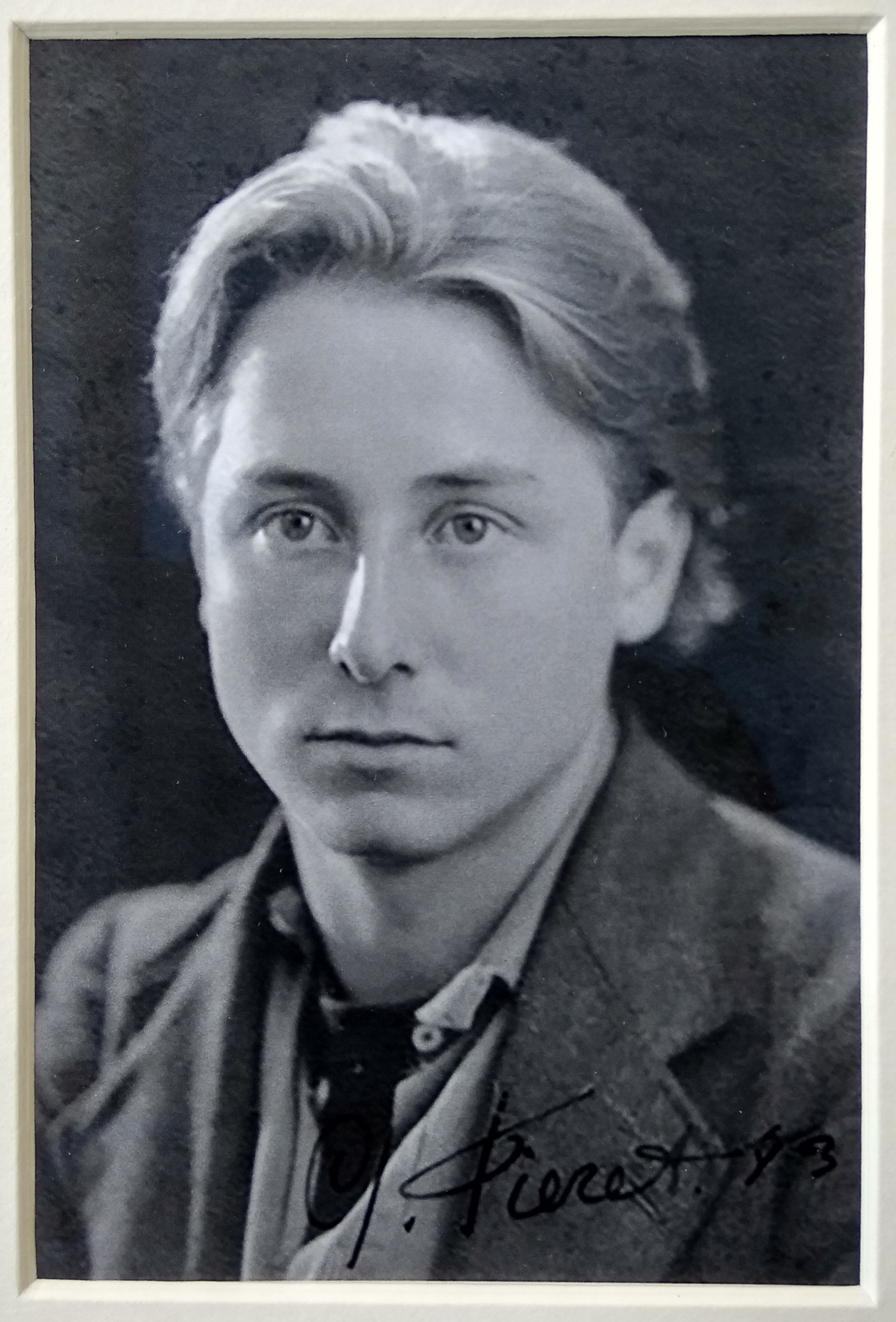
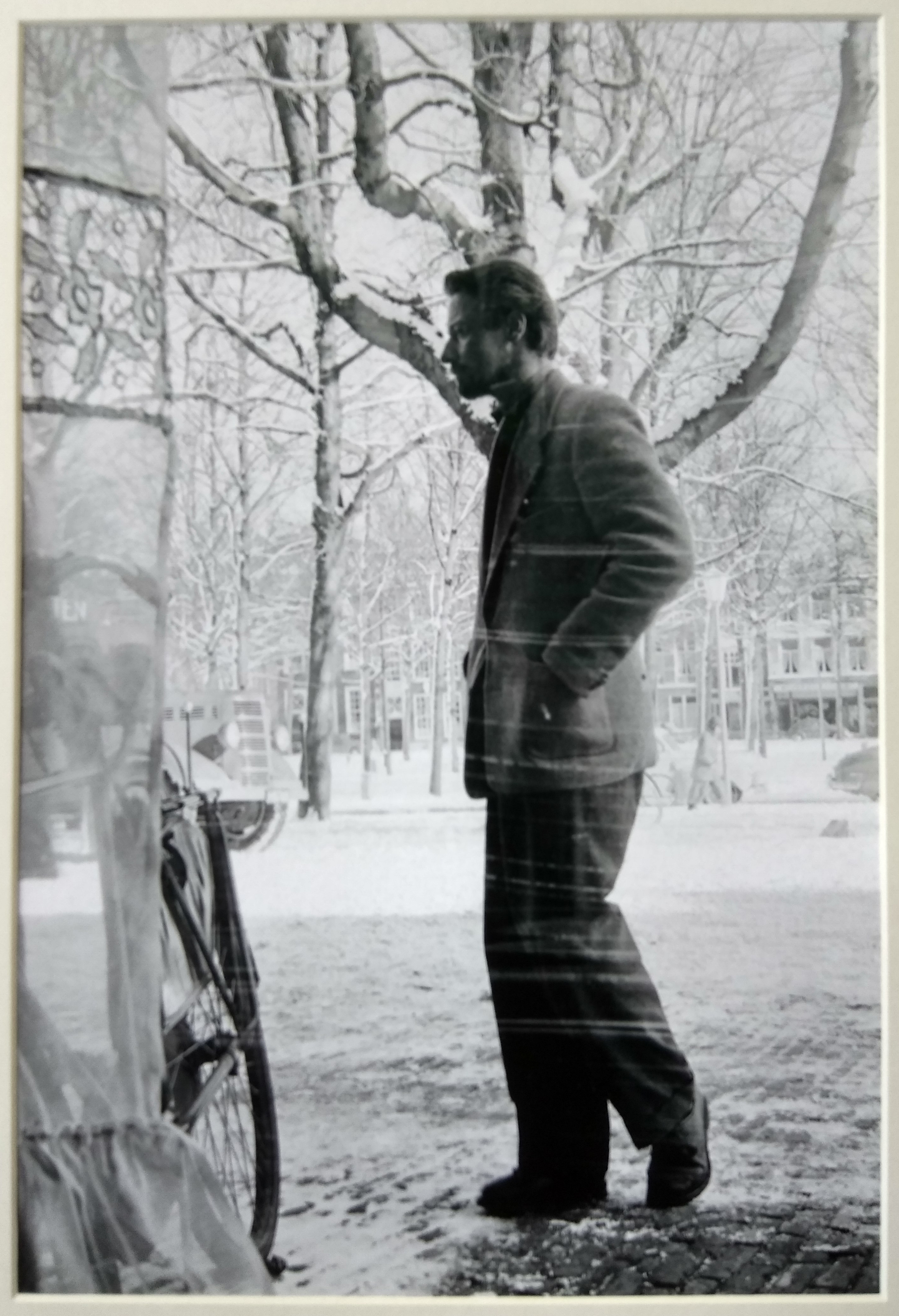
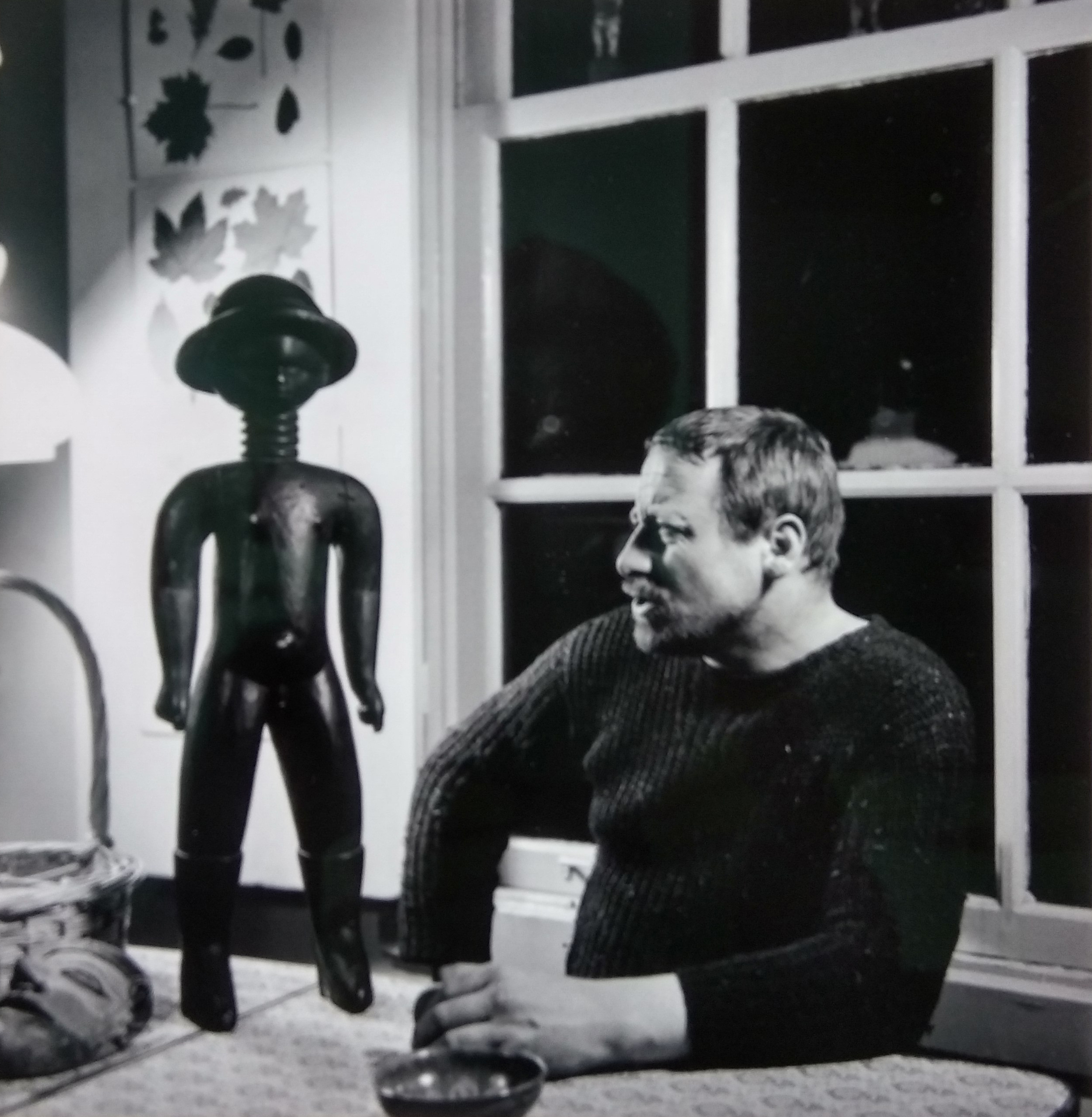
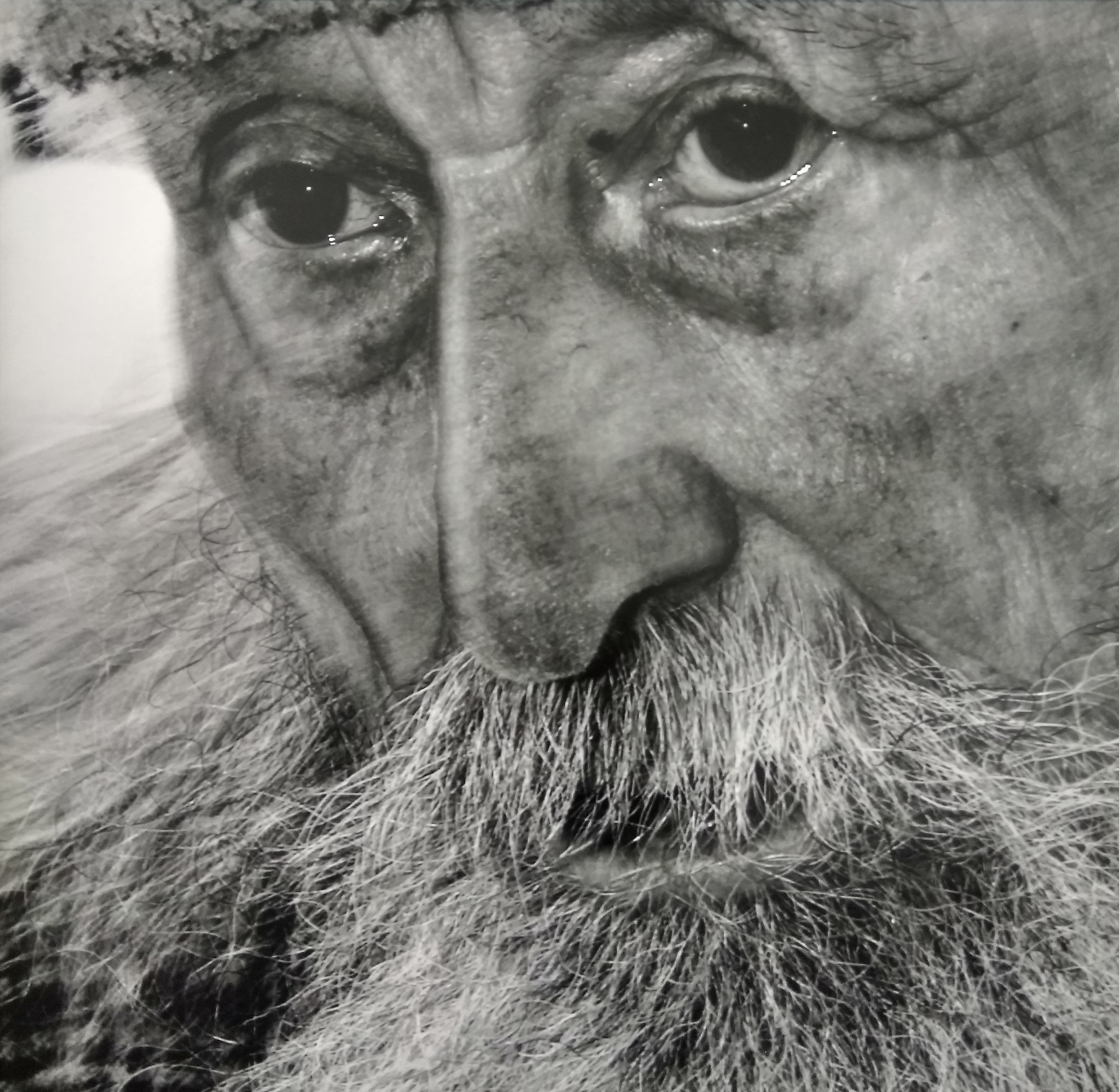
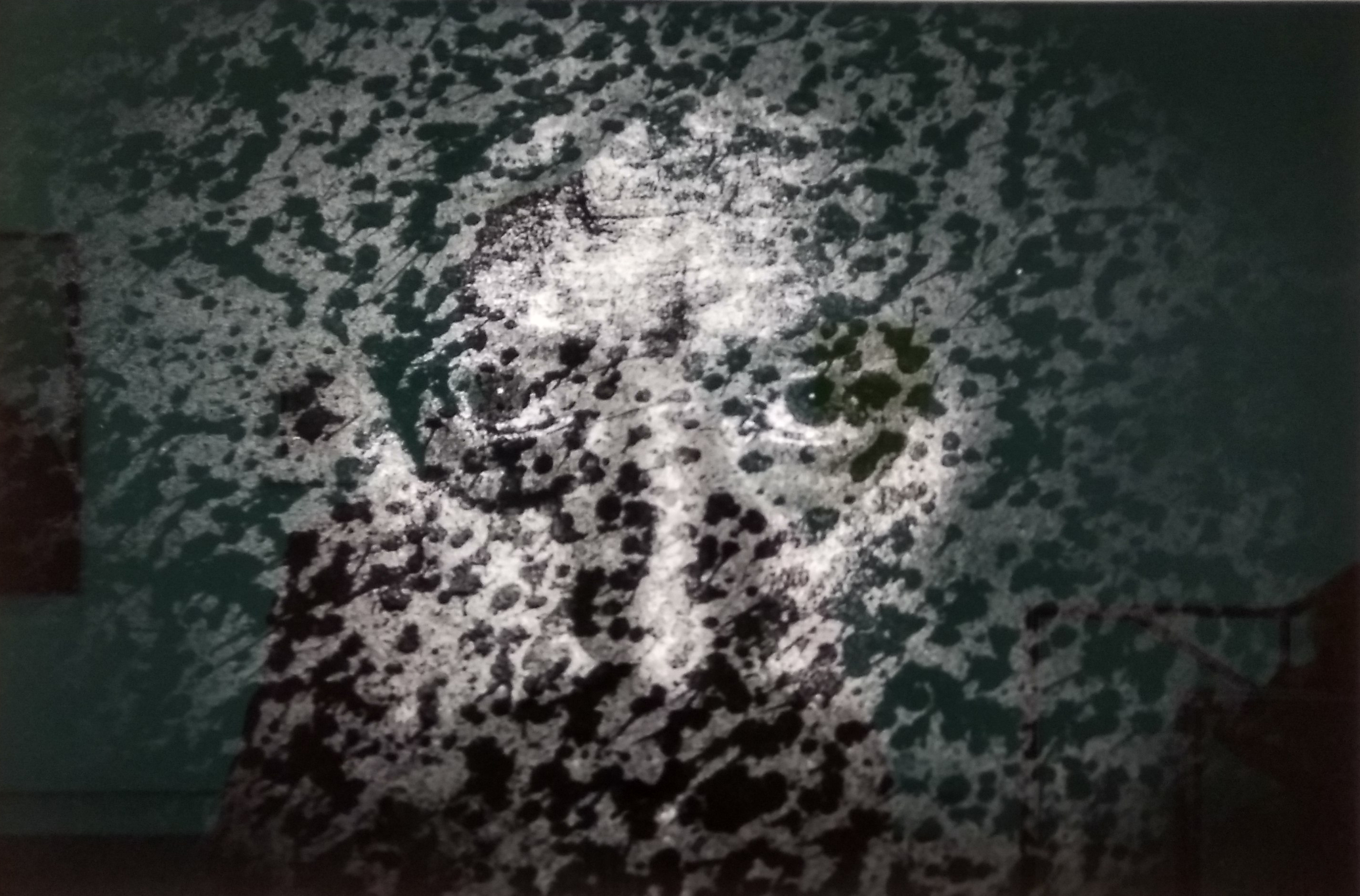
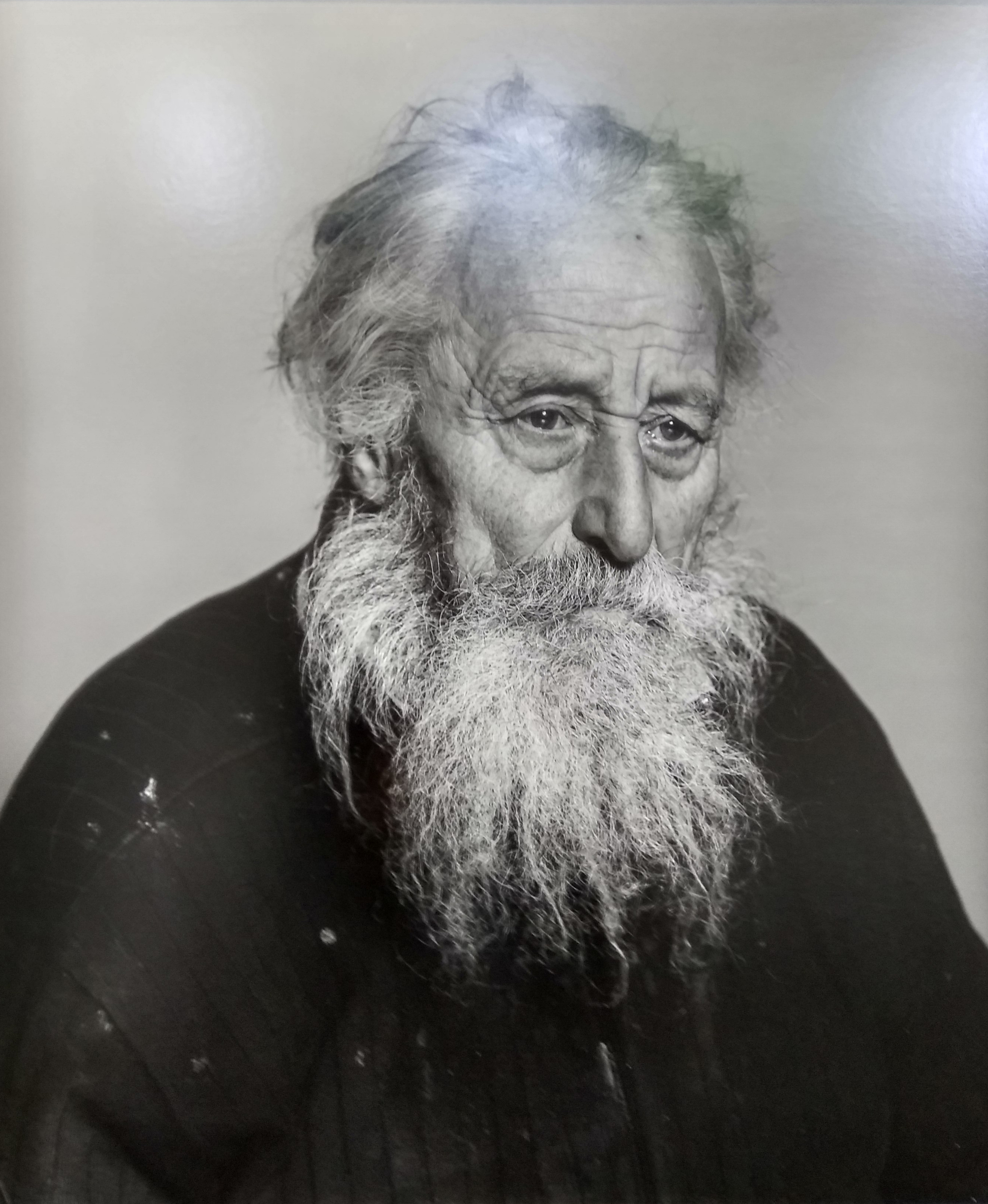
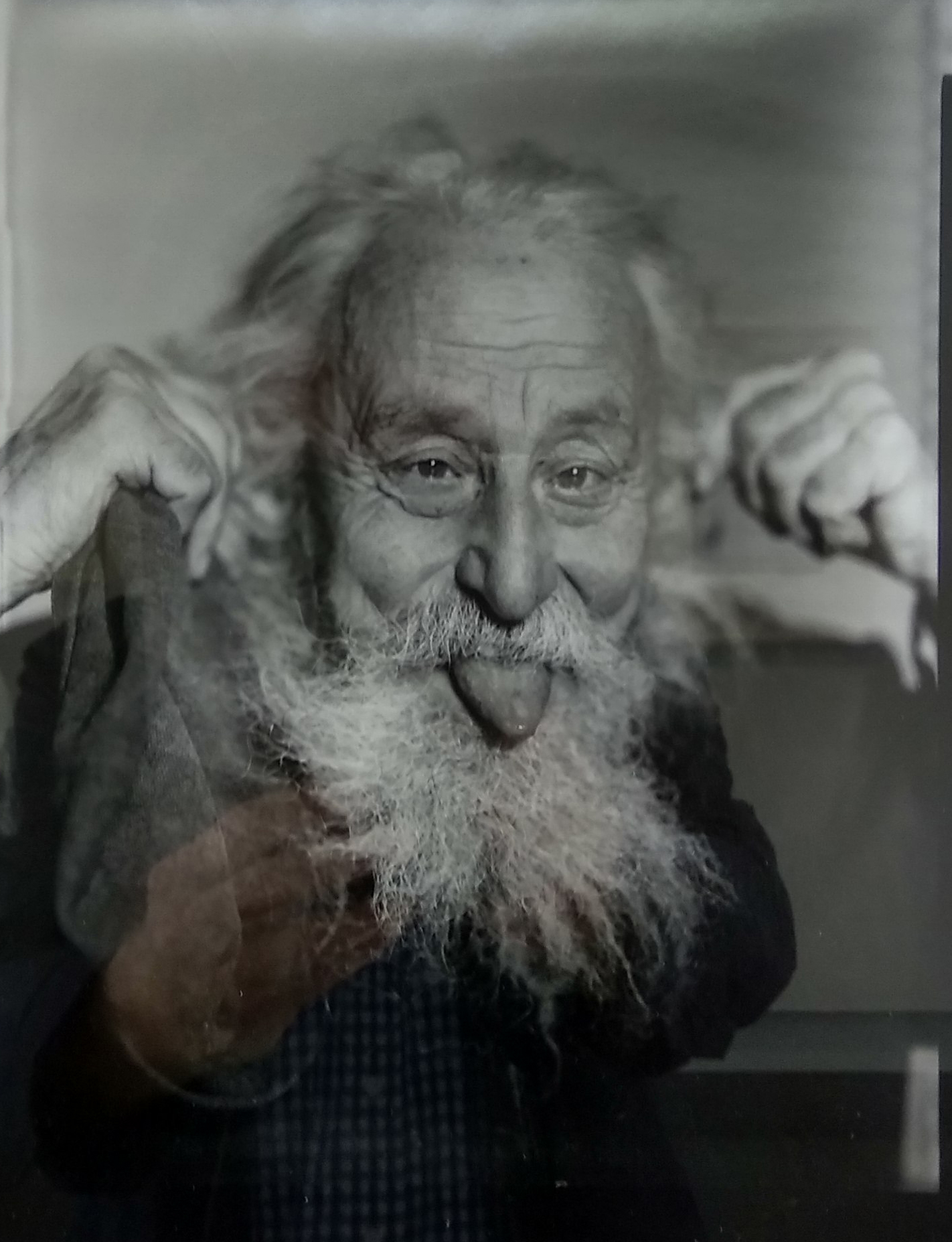
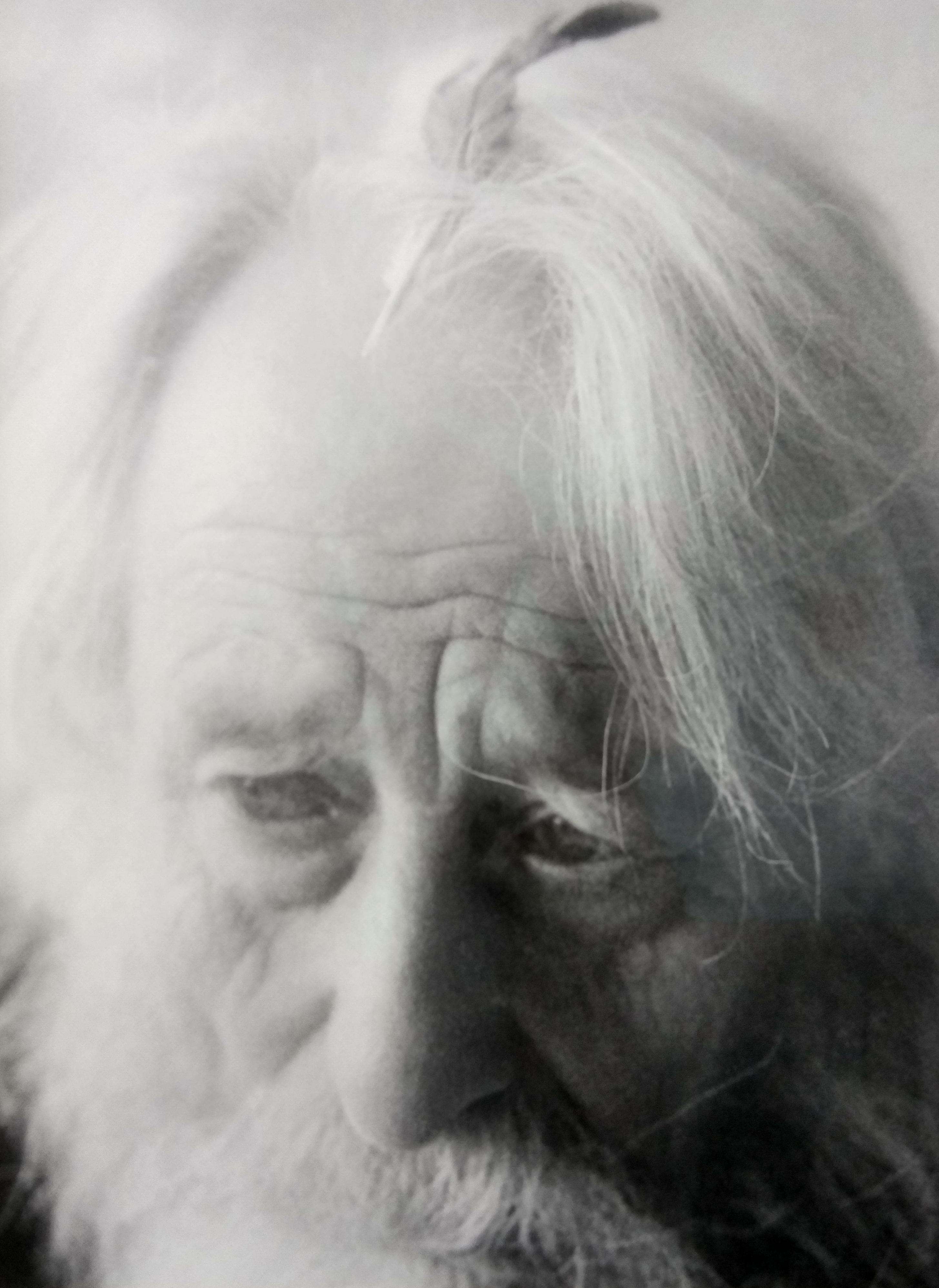
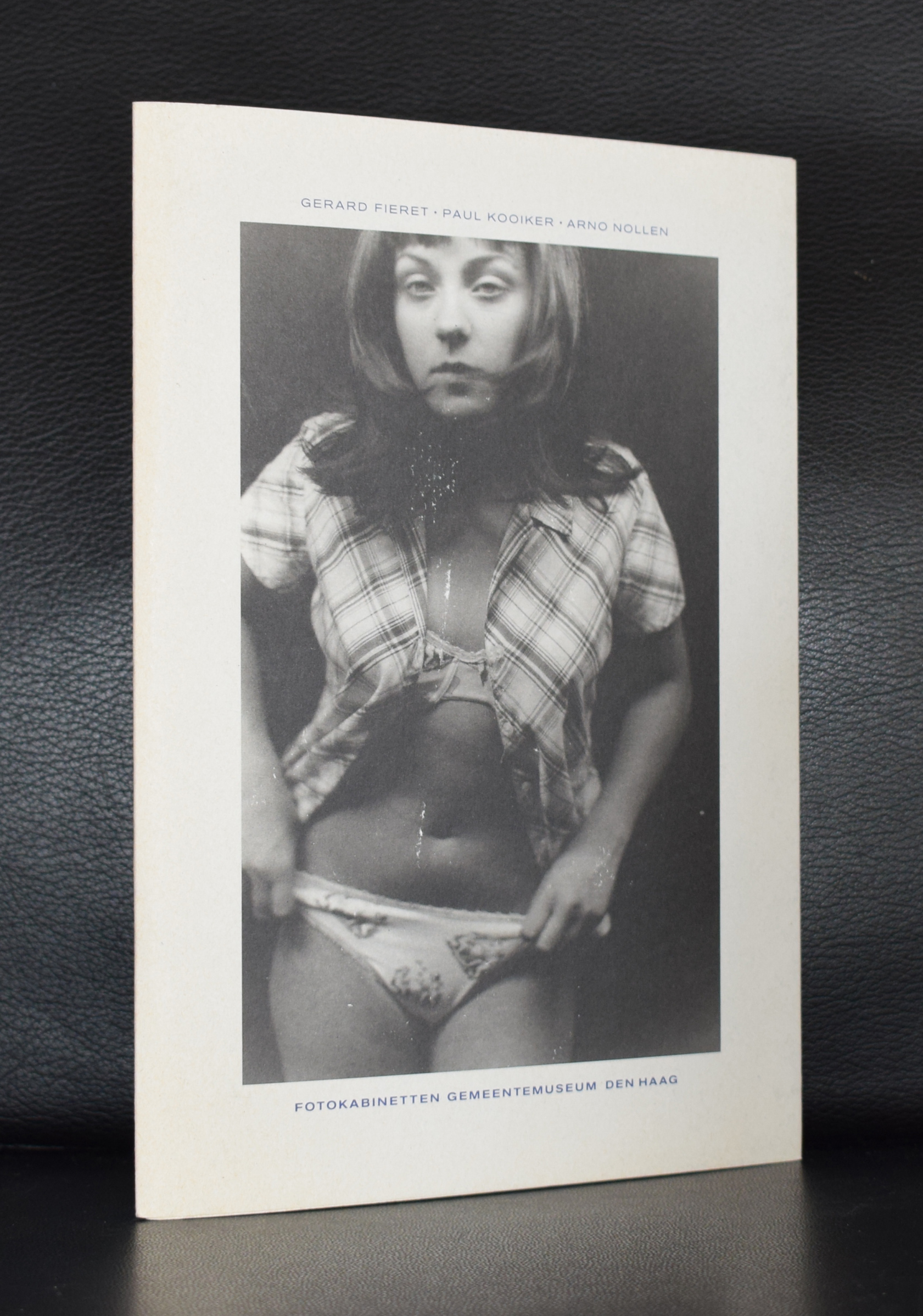
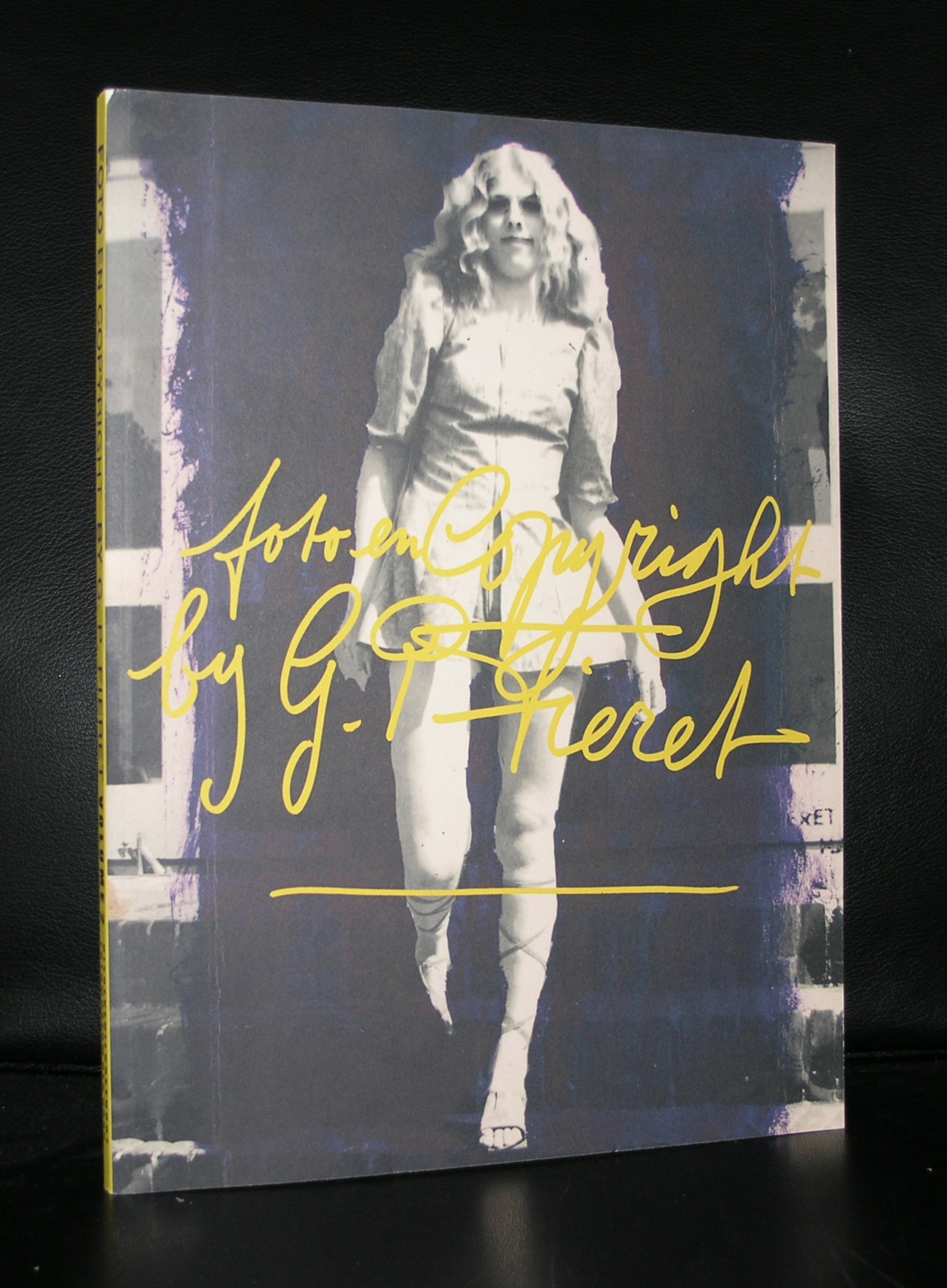
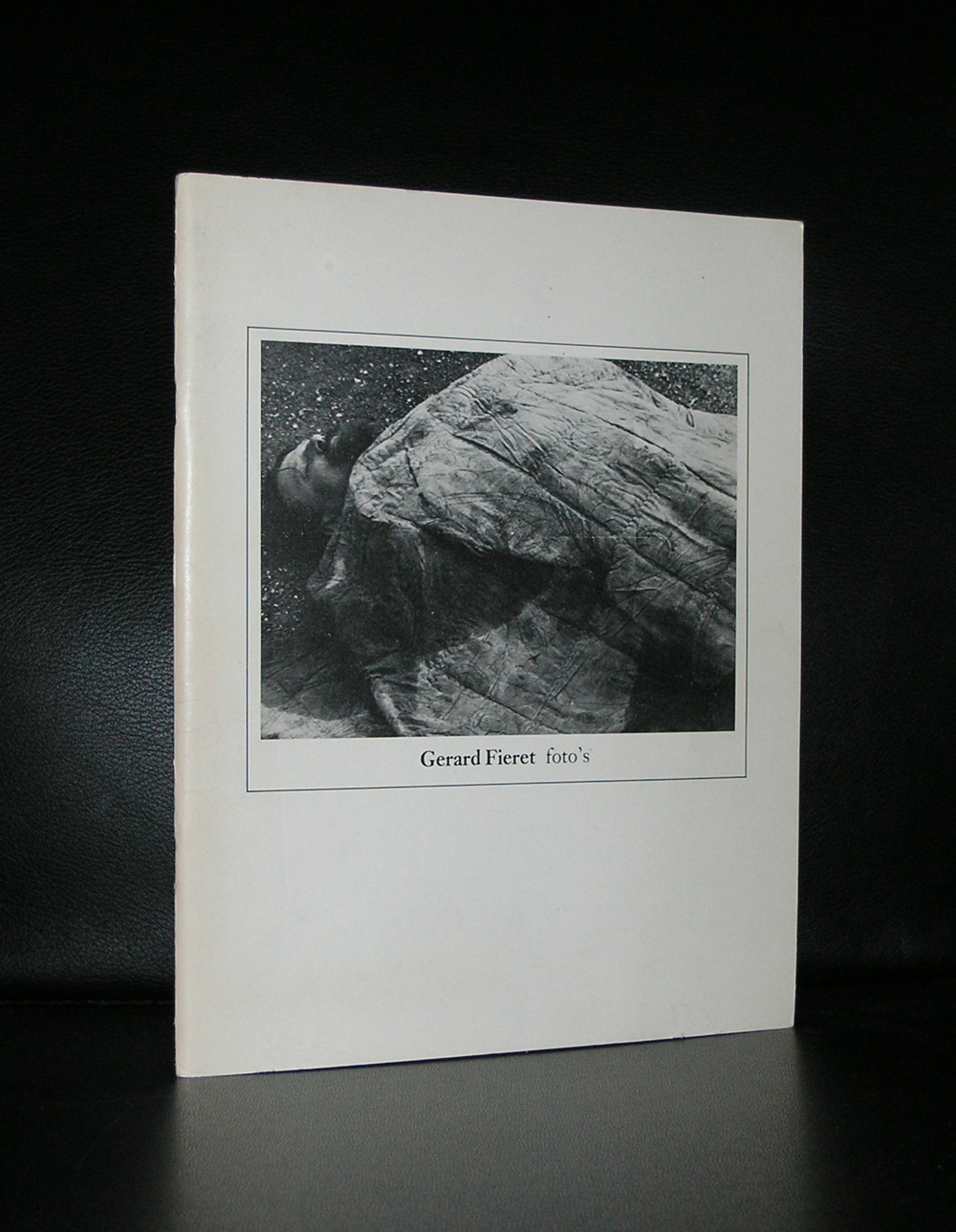
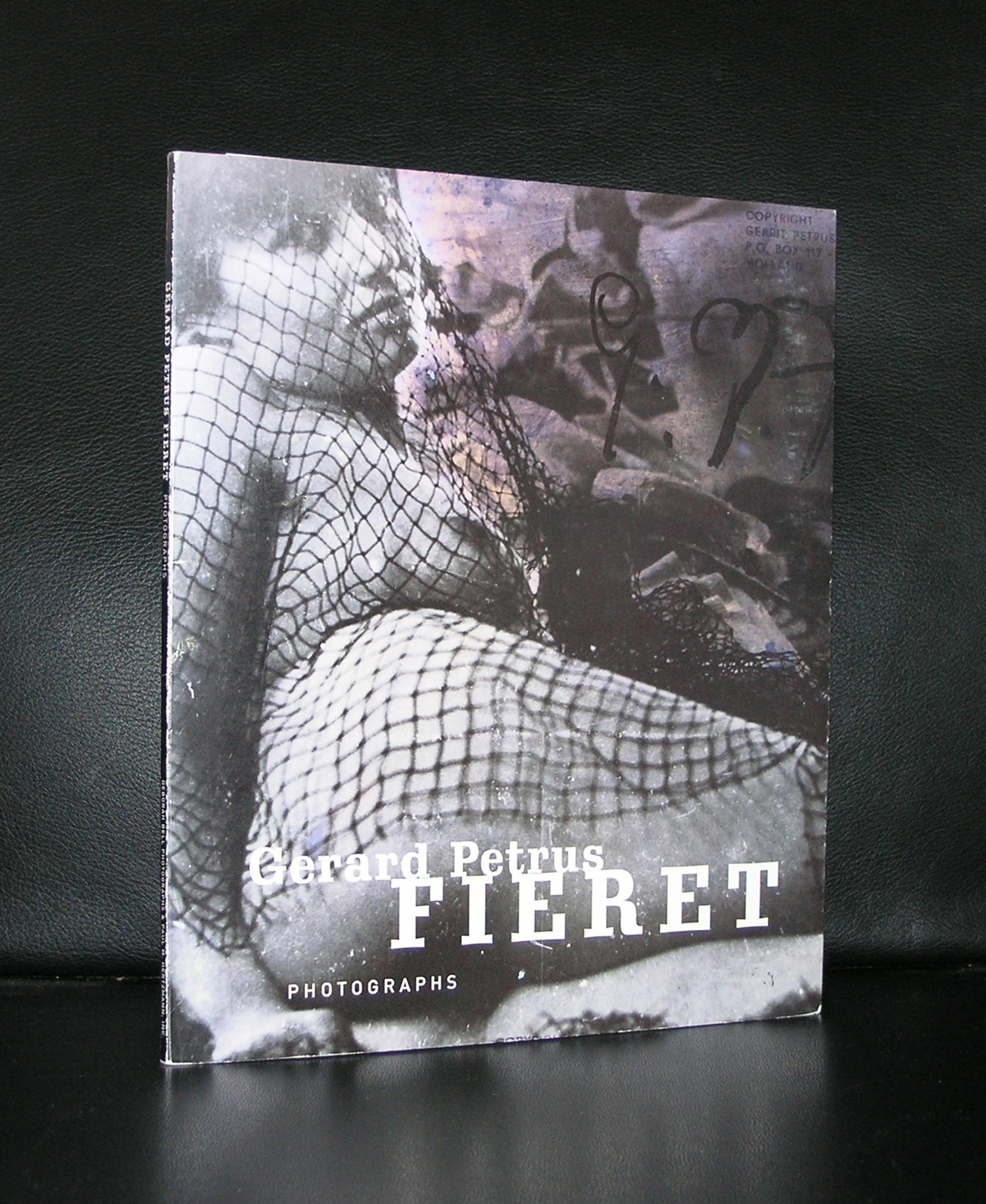
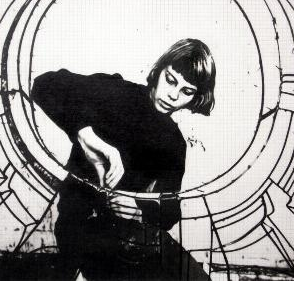
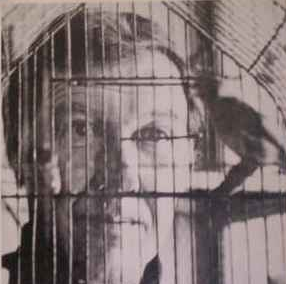
Because i visited the Gemeentemuseum on Sunday and i had another hour available i decided to visit the Fieret exhibition in the GEM museum next door , curated in an excellent way by Wim van Sinderen and giving more insight in the person Fieret was and the art/photographs he made. When you have finished the exhibition and continue within the GEM and go downstairs you pass a long corridor in which the portraits of Fieret, which were taken throughout his life are presented. Portraits by Willem Diepraam, Koos Breukel, Helena van der Kraan and many others make a great portrait gallery on Gerard Petrus Fieret. Of course this is not the best quality, but here are the photographs. They give a great impression of the colorful figure Fieret was.
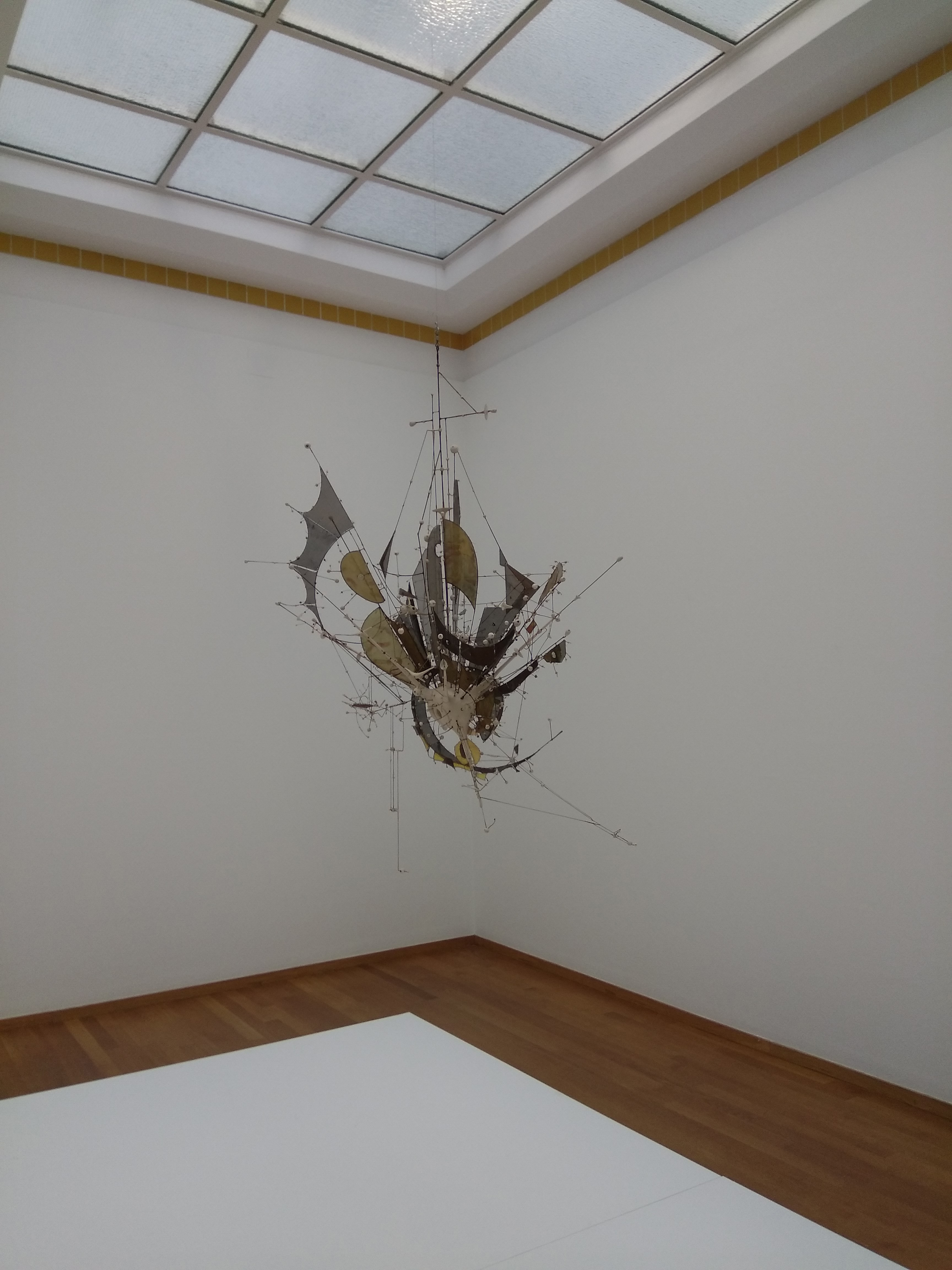
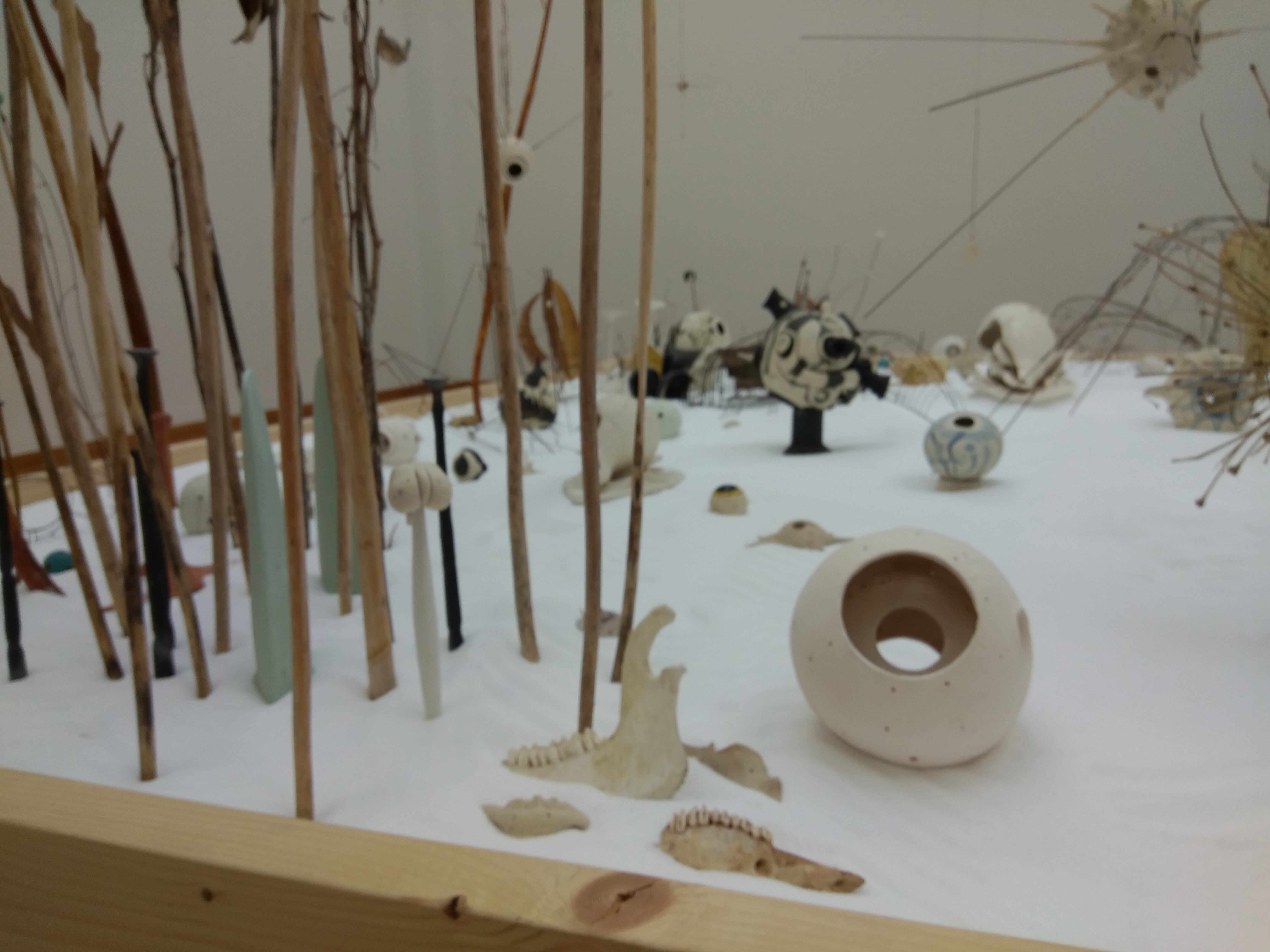
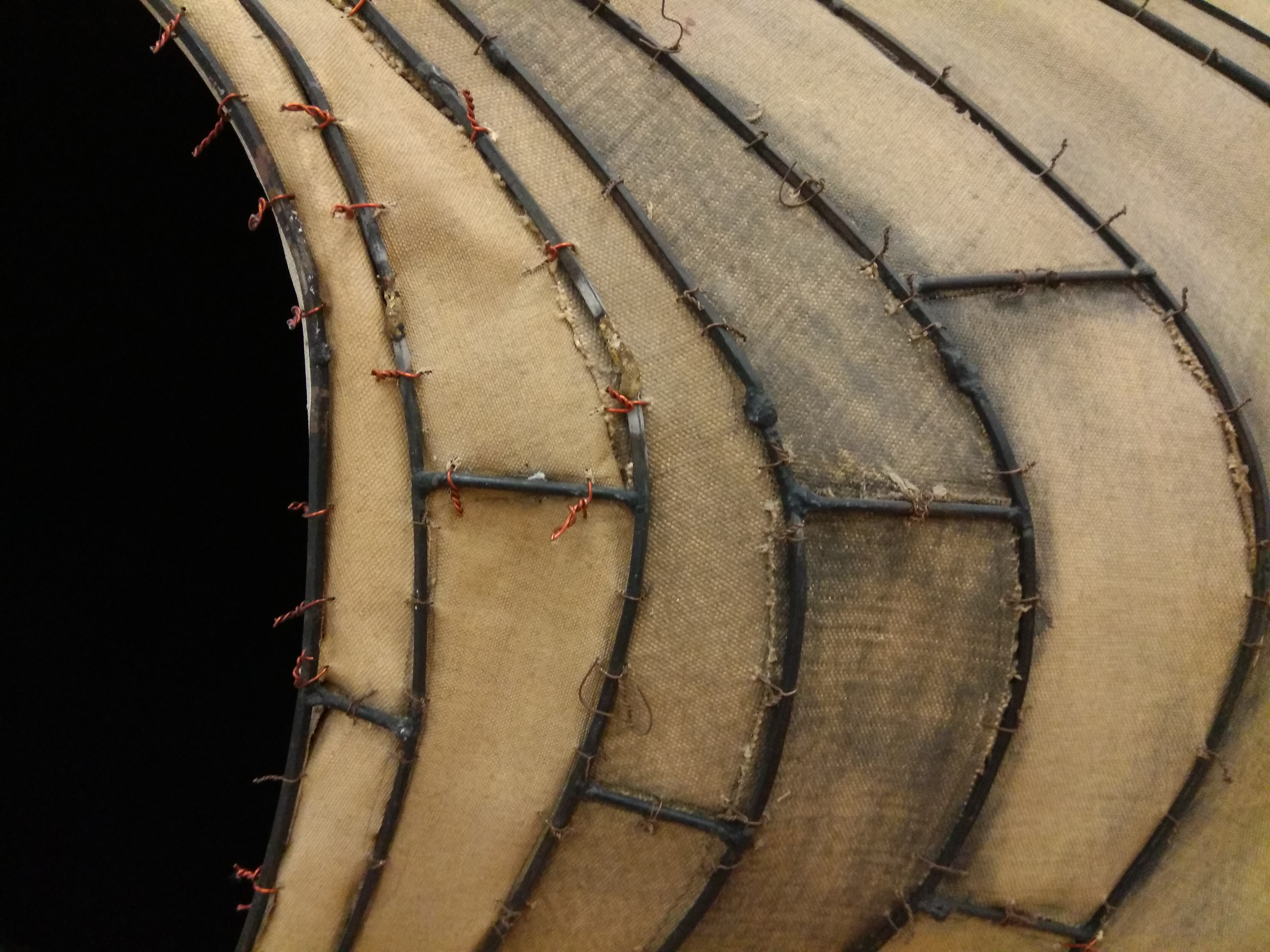
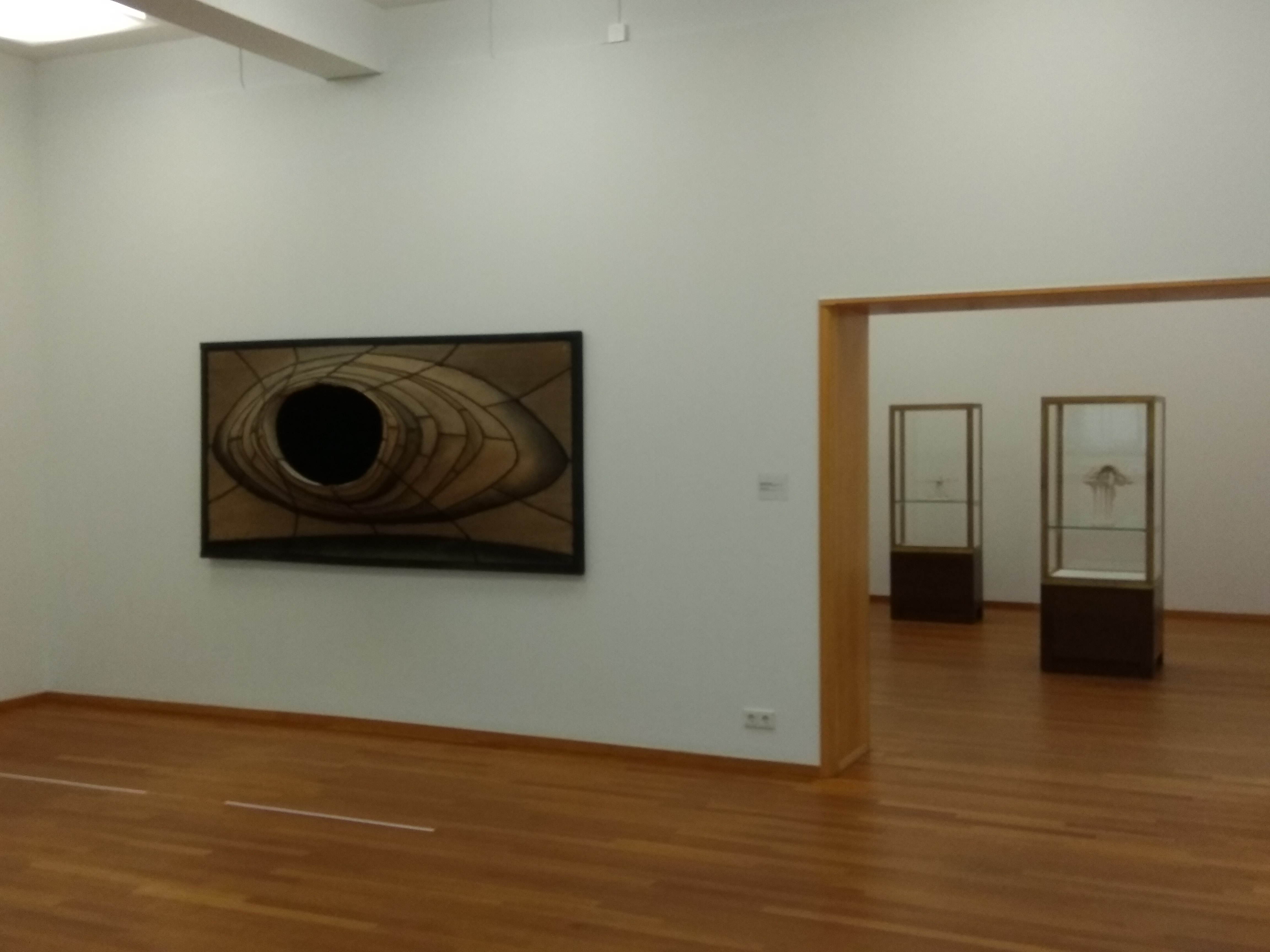
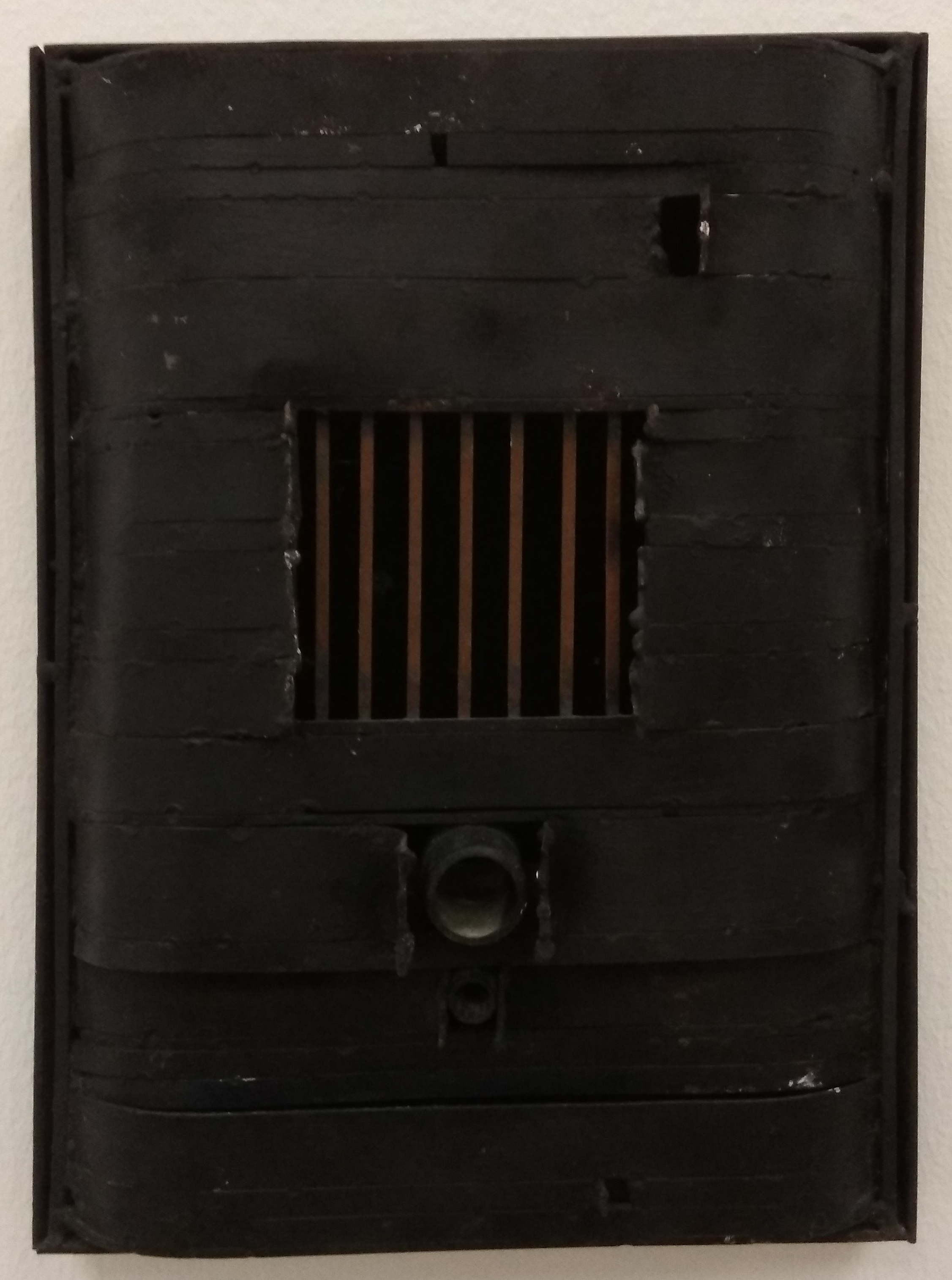
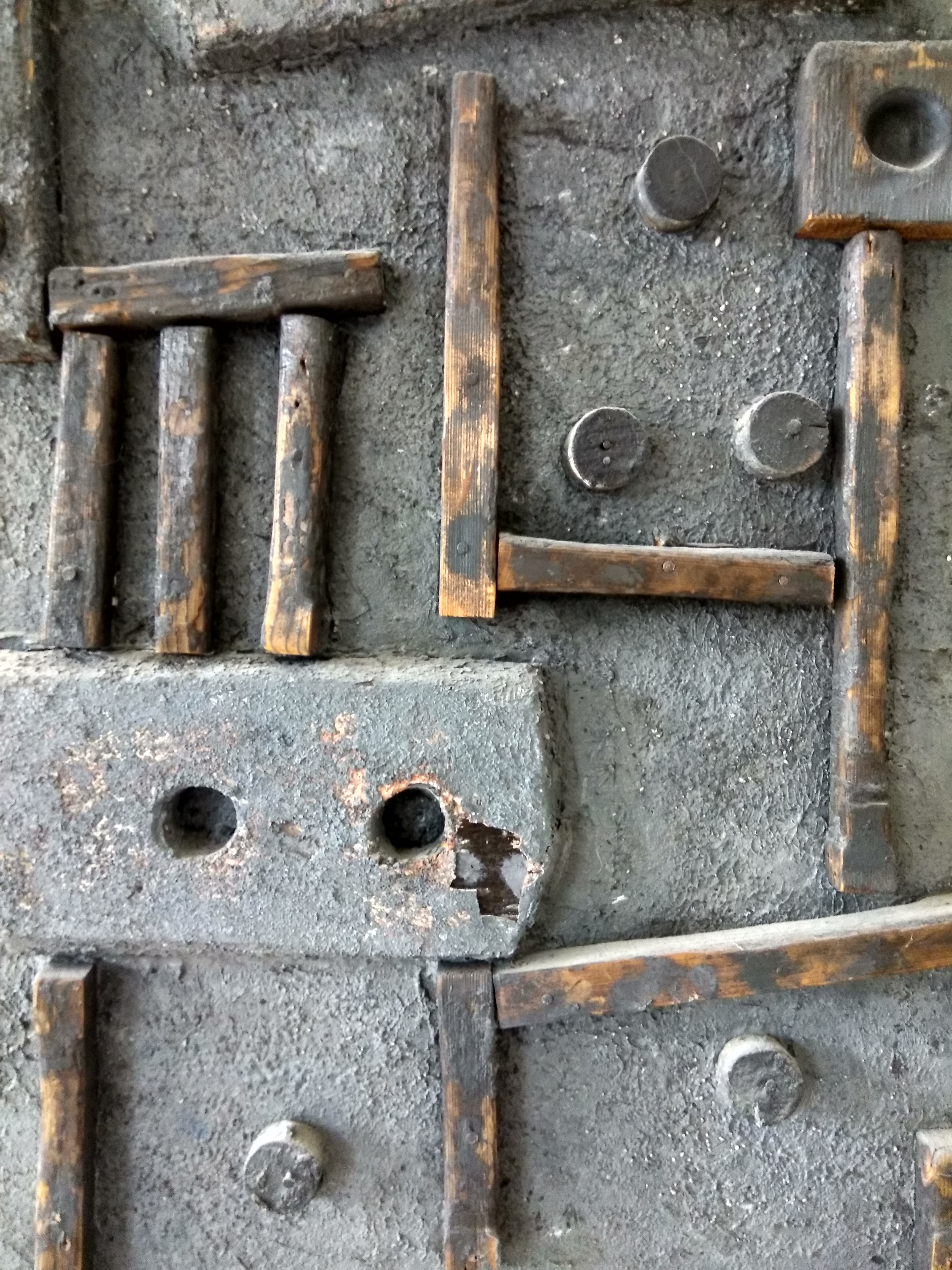
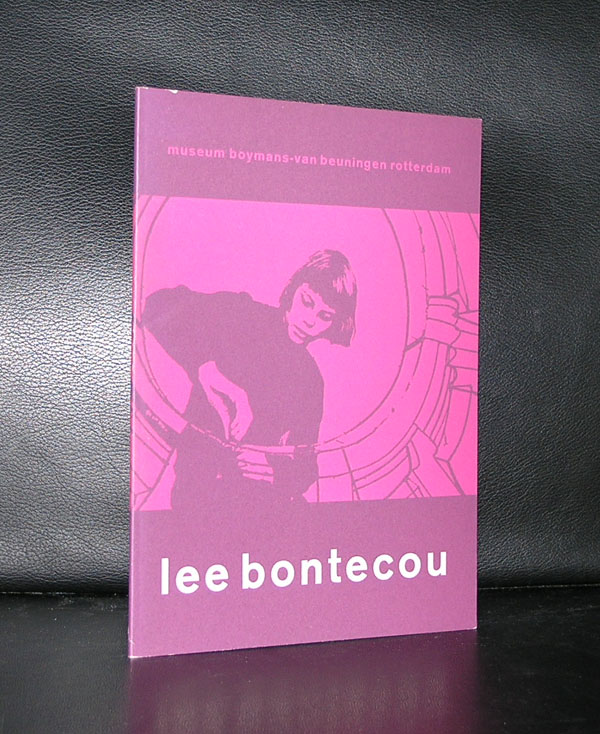
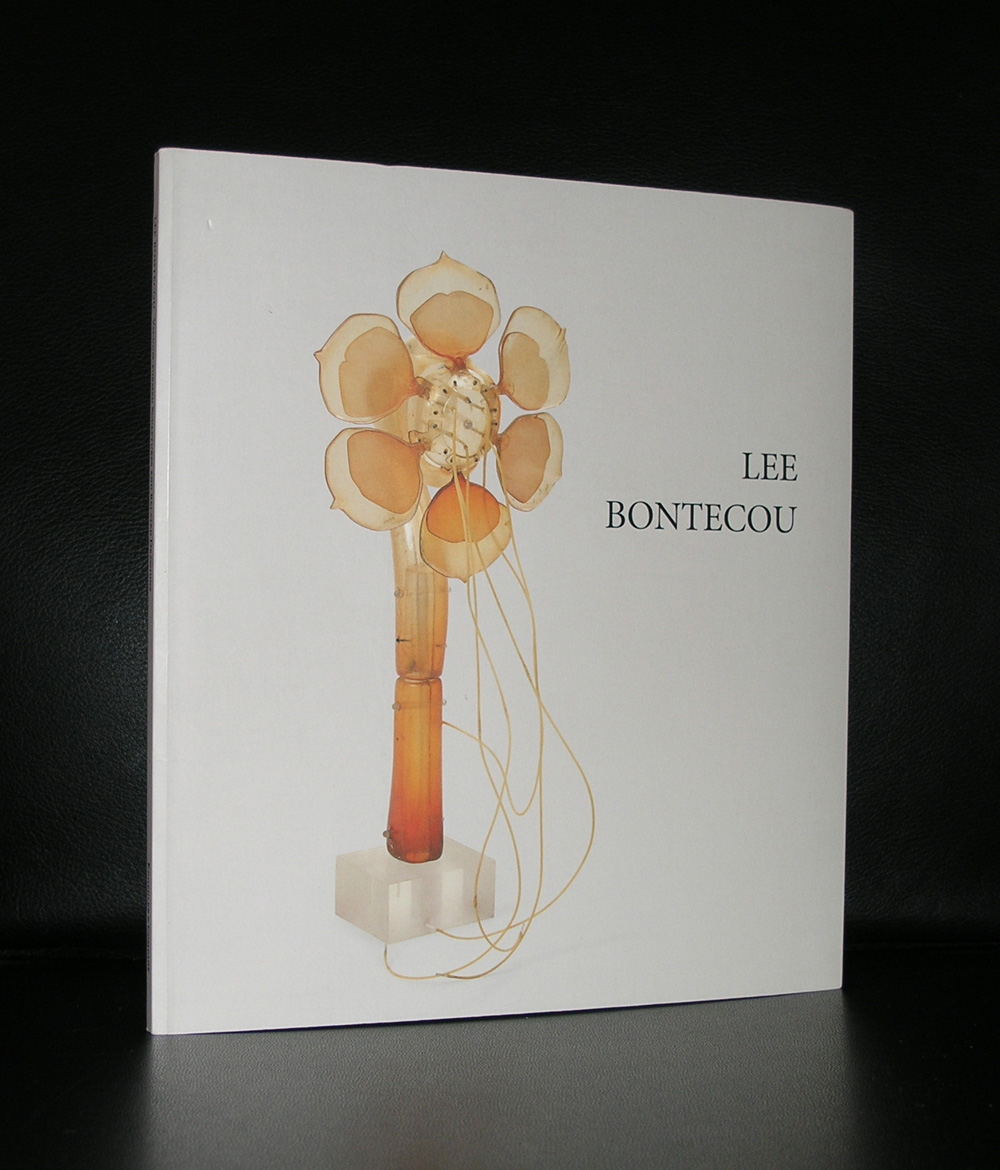
It was for over 3 months in my mind that i had to visit the Lee Bontecou exhibition in the Gemeentemuseum Den Haag, but because of a full schedule i had to wait until the last day of the exhibition, which was yesterday. I already bought the catalogue , but did not look into it, so all works on exhibit were new to me and i must say that more than half was very impressive. There was a large Sandbox filled with little objects, the wall with sketches and some wall sculptures and “mobiles” which were very impressive, but part was sketches and other little objects which were far less fascinating, some even boring.
What struck me was that artists all over the world must influence each other. Here is an example of a work by Will Leewens and the one by Bontecou. Colors, size and even some of the 3d objects look the same. Both are finished in the early sixties and although i doubt that they have known each other . I ams sure bot were influenced in some way by others and excecuted their works in a similar way.
The exhibition is history now, but what remains is a great catalogue which is still available at the Gemeentemuseum shop and of course for older publications on Bontecou and Leewens you can visit www.ftn-books.com
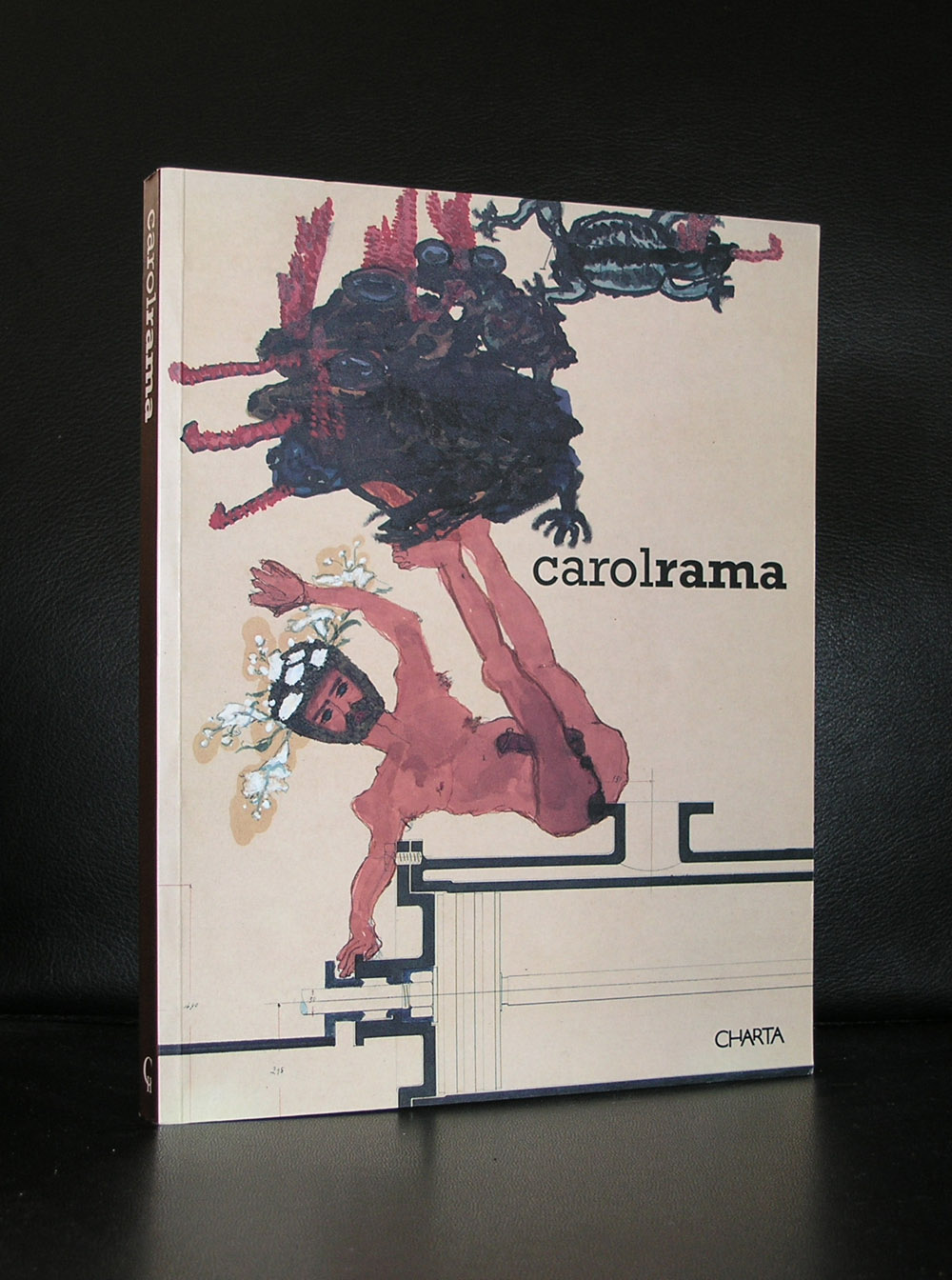
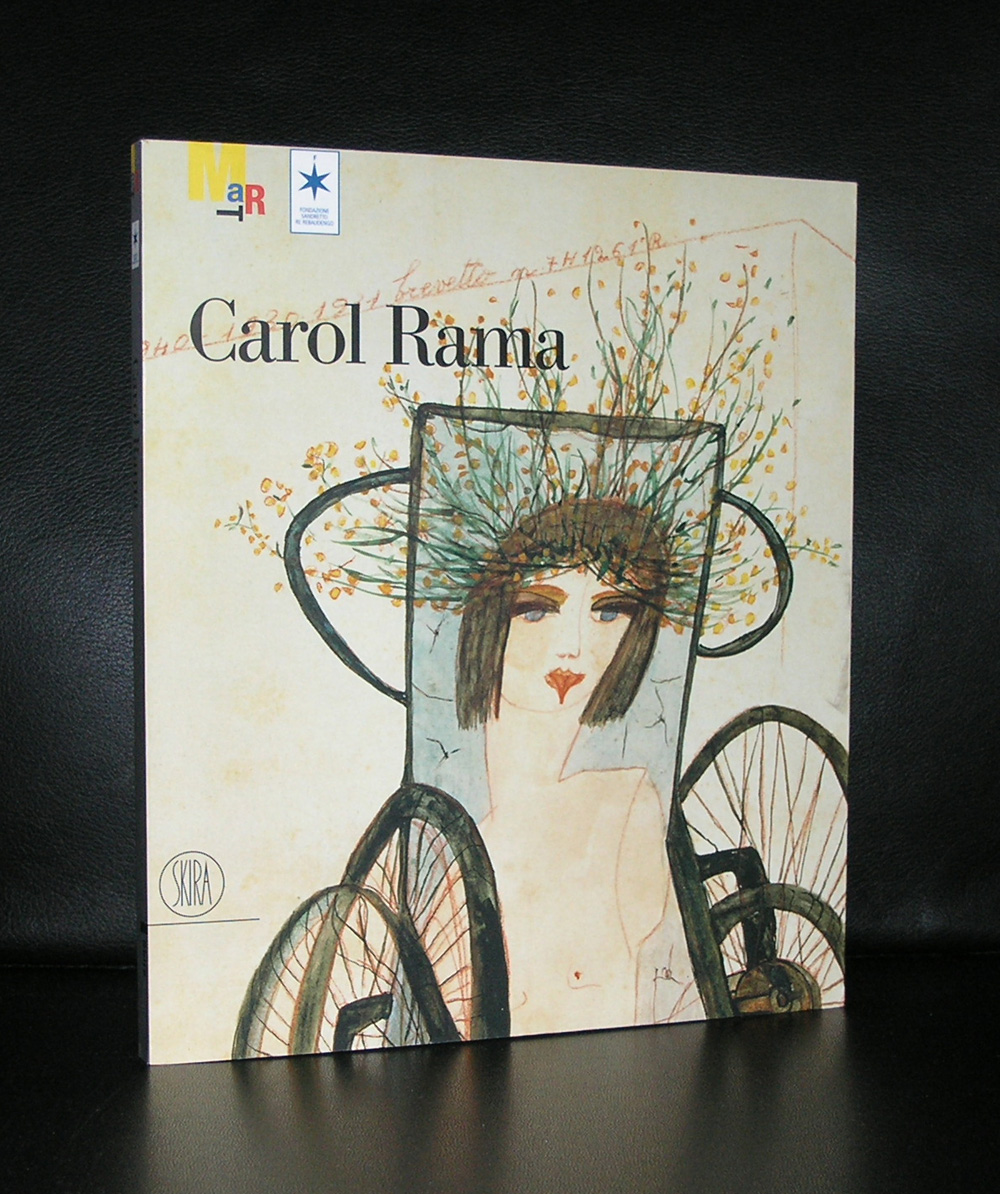
Another favorite of Rudi Fuchs was Carol Rama, A Turin born artist.
An Italian self-taught artist whose unconventional painting encompassed an erotic, and often sexually aggressive universe populated by characters who present themes of sexual identity with specific references to female sensuality. Her work was relatively little known until curator Lea Vergine included several pieces in a 1980 exhibition, prompting Rama to revisit her earlier watercolour style. This is the time Fuchs noticed her qualities and presented her in 2 separate exhibitions in the Stedelijk Museum. The importance of Rama must not be undersestimated , because she had contact and knew artists like Warhol, Bunuel and Man Ray. NOt being influenced by them but inspired she developed a style and art of her own , for which she was rewarded isn 2005 with a large retropective exhibition in the Fondazione Sandretto Re Rebaudengo in her birthplace of Turin. A great artist who is also present in the inventory of www.ftn-books.com.
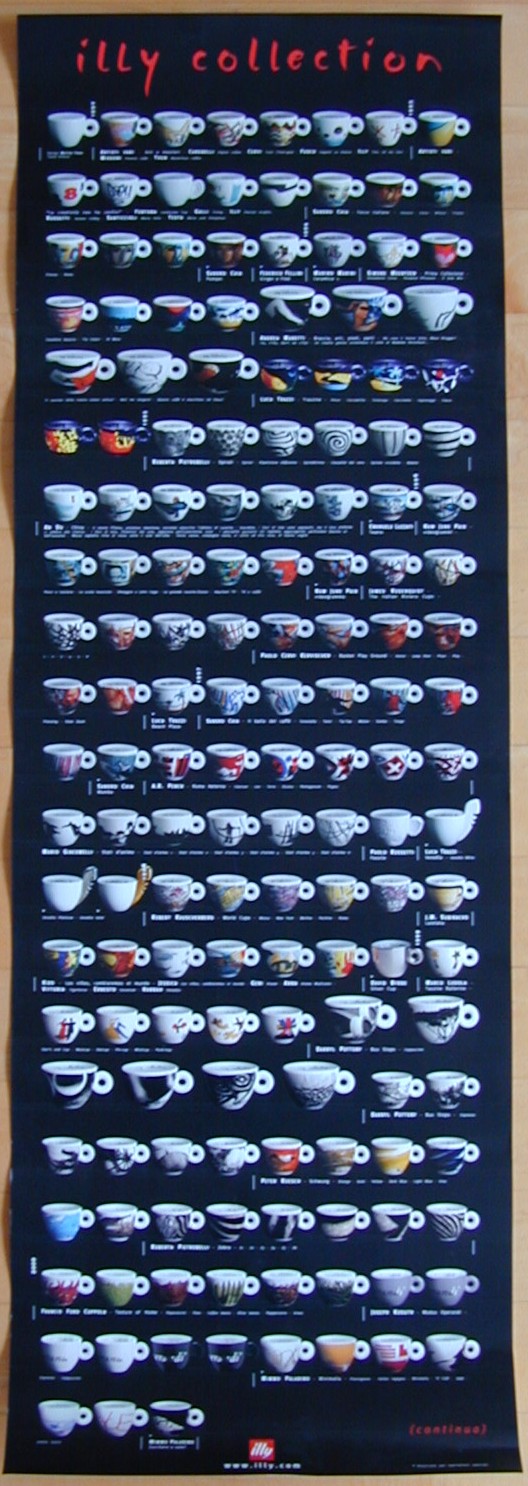
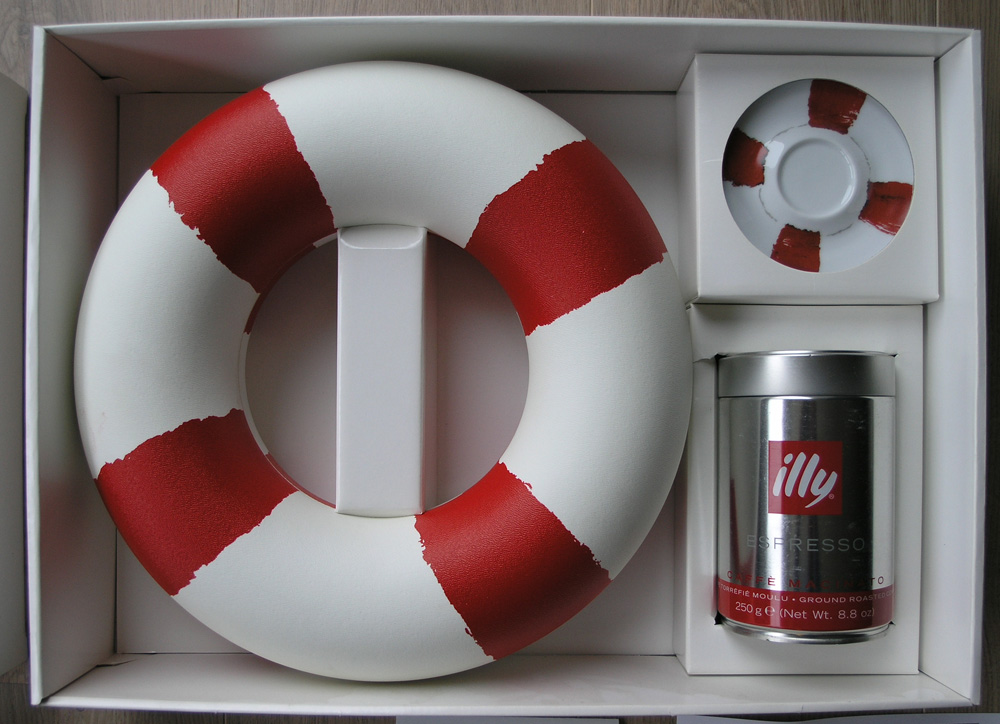
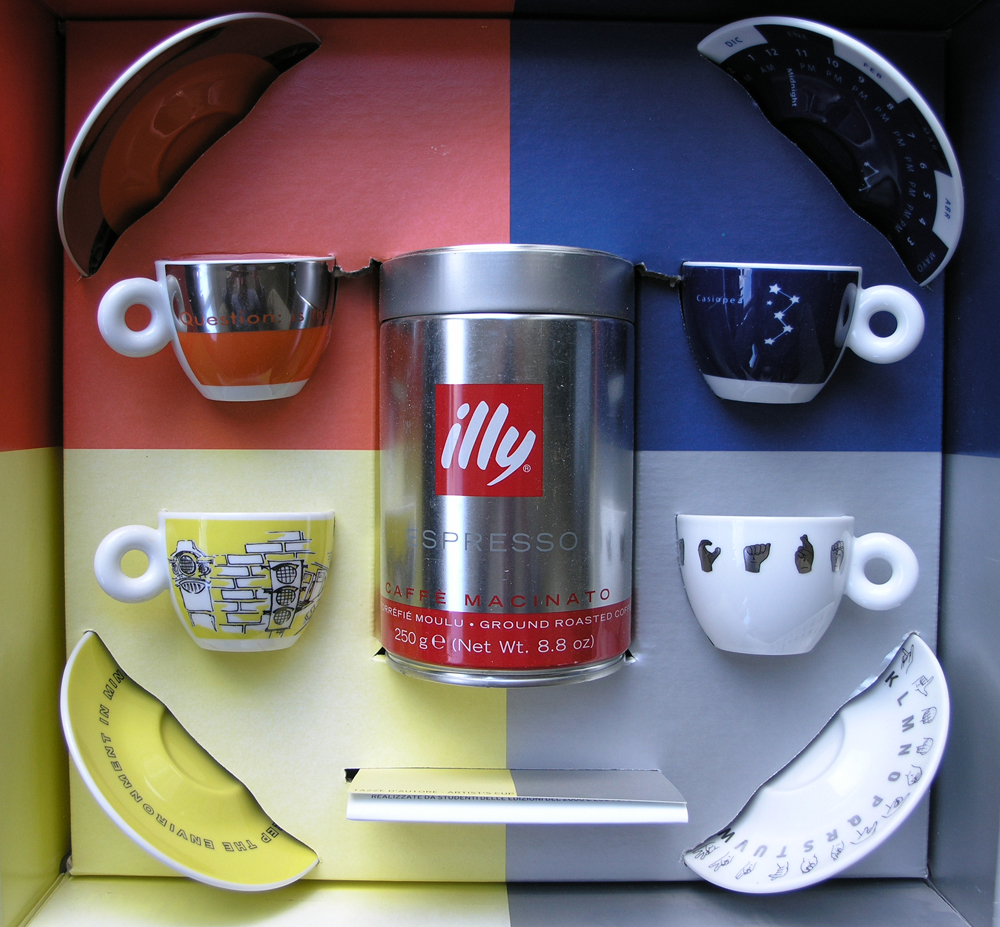
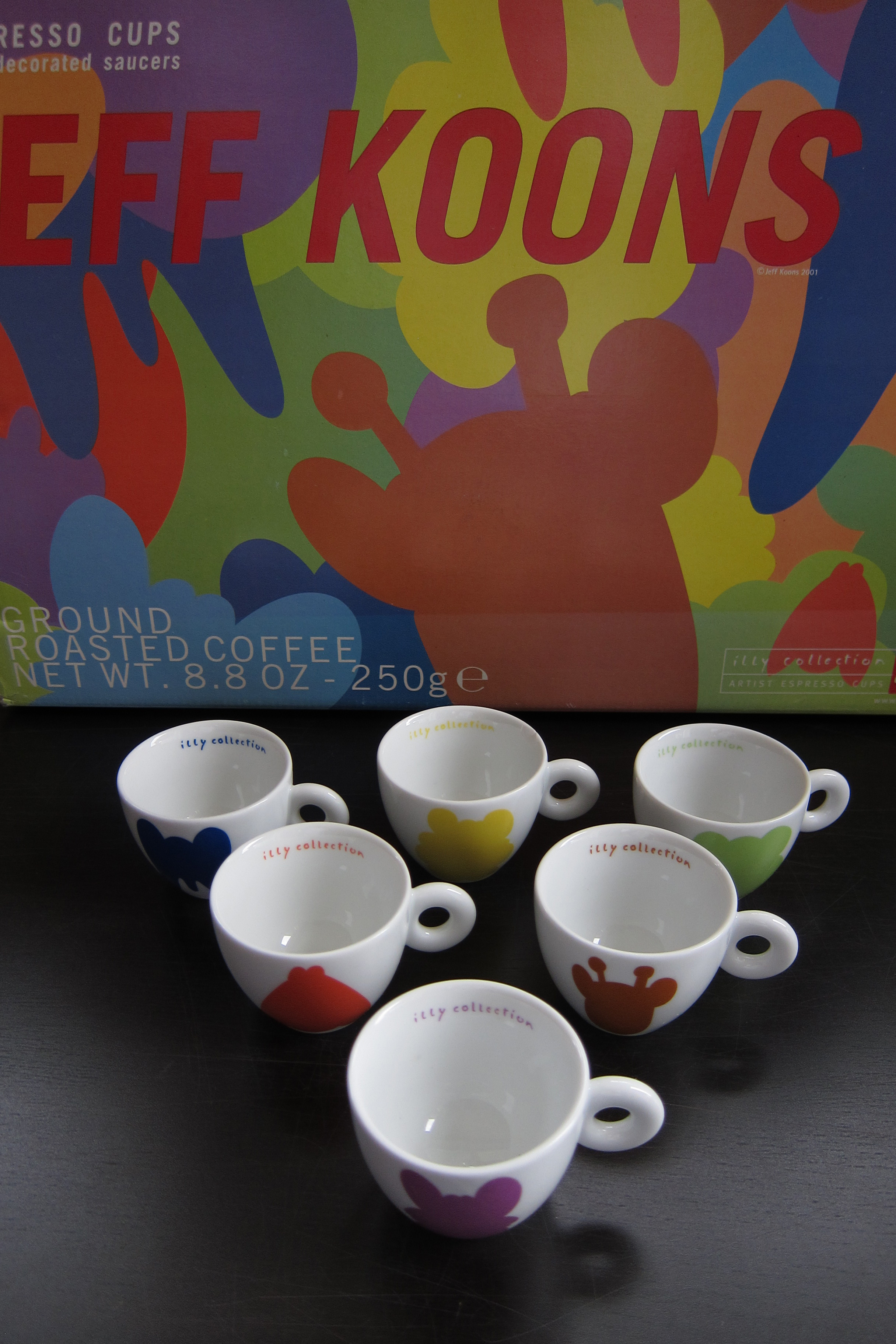
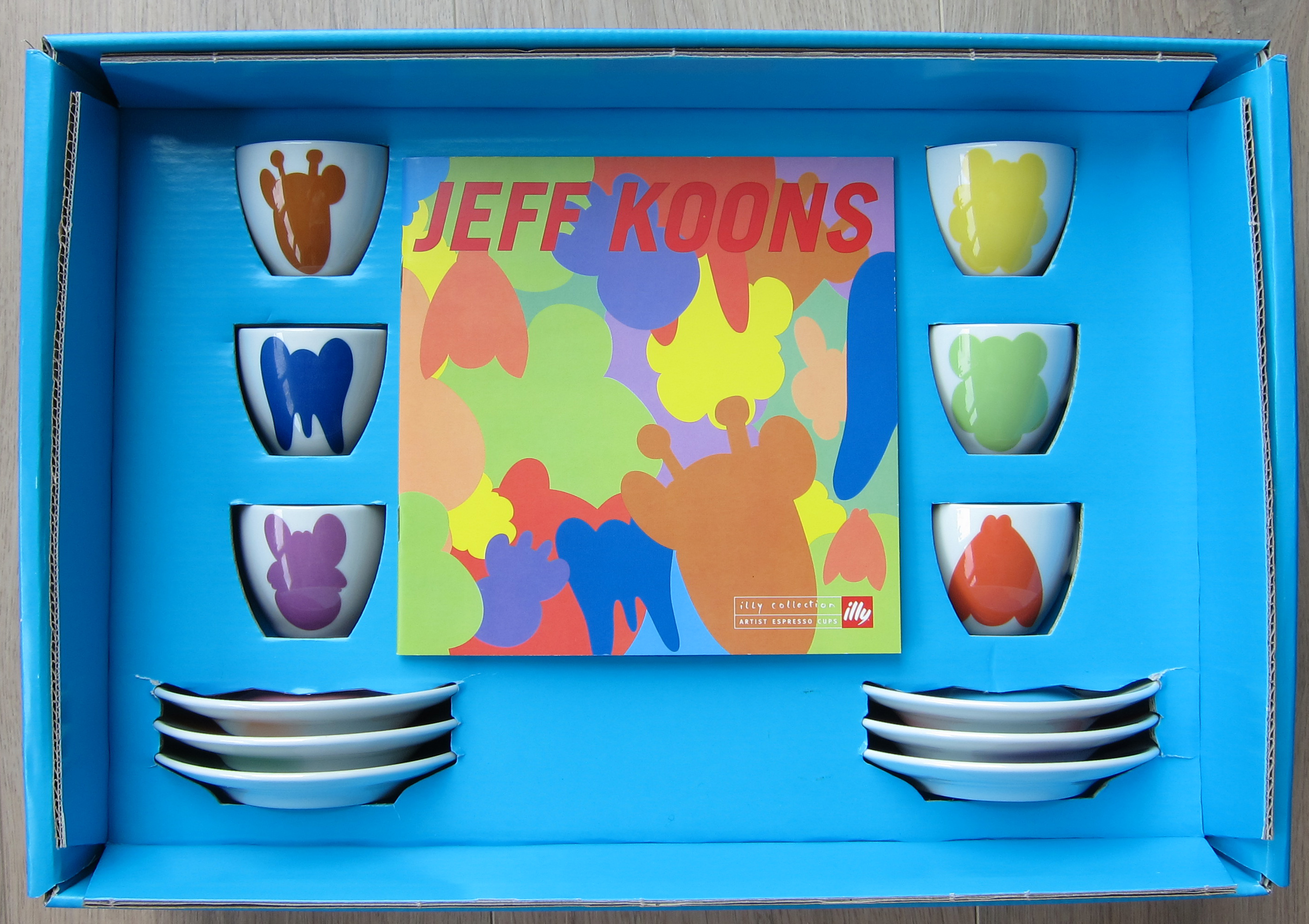
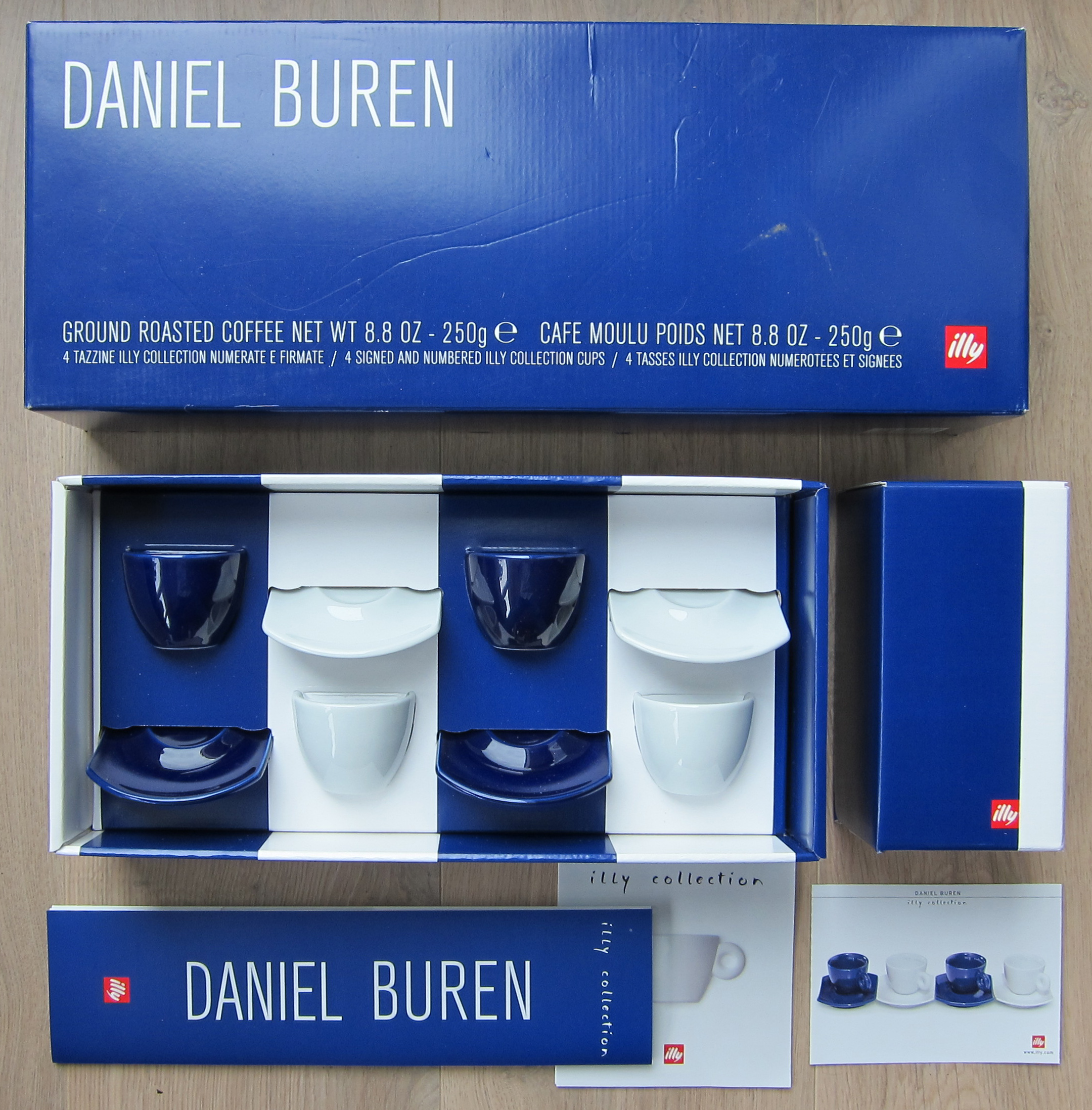
About 20 years ago Illy, the Italian coffee producing company started with their Illy collection. A prestigious collection of (espresso) cups, produced in limited editions in which they invited contemporary artists to paint and decorate their Matteo Thun designed illy cup. Since , over 100 editions have appeared in their series of art designed cups. Great names in Modern art, Fashion and design contributed to the series. Koons, Rauschenberg, Penck, Thun, Pistoletto, Bourgeois, Fabre and many others have made their appearance in the series of espresso and cappuccino cups. For those who started their collection around 2000 some great names were there to be picked up and the editions from that period belong to the highlights in many Illy collection. www.ftn-books.com still has some nice series available with their original boxes and of course never used. The illy coffee can was in most cases removed, because it was well passed its expiration date , but the cups are timeless and will grace any collection.
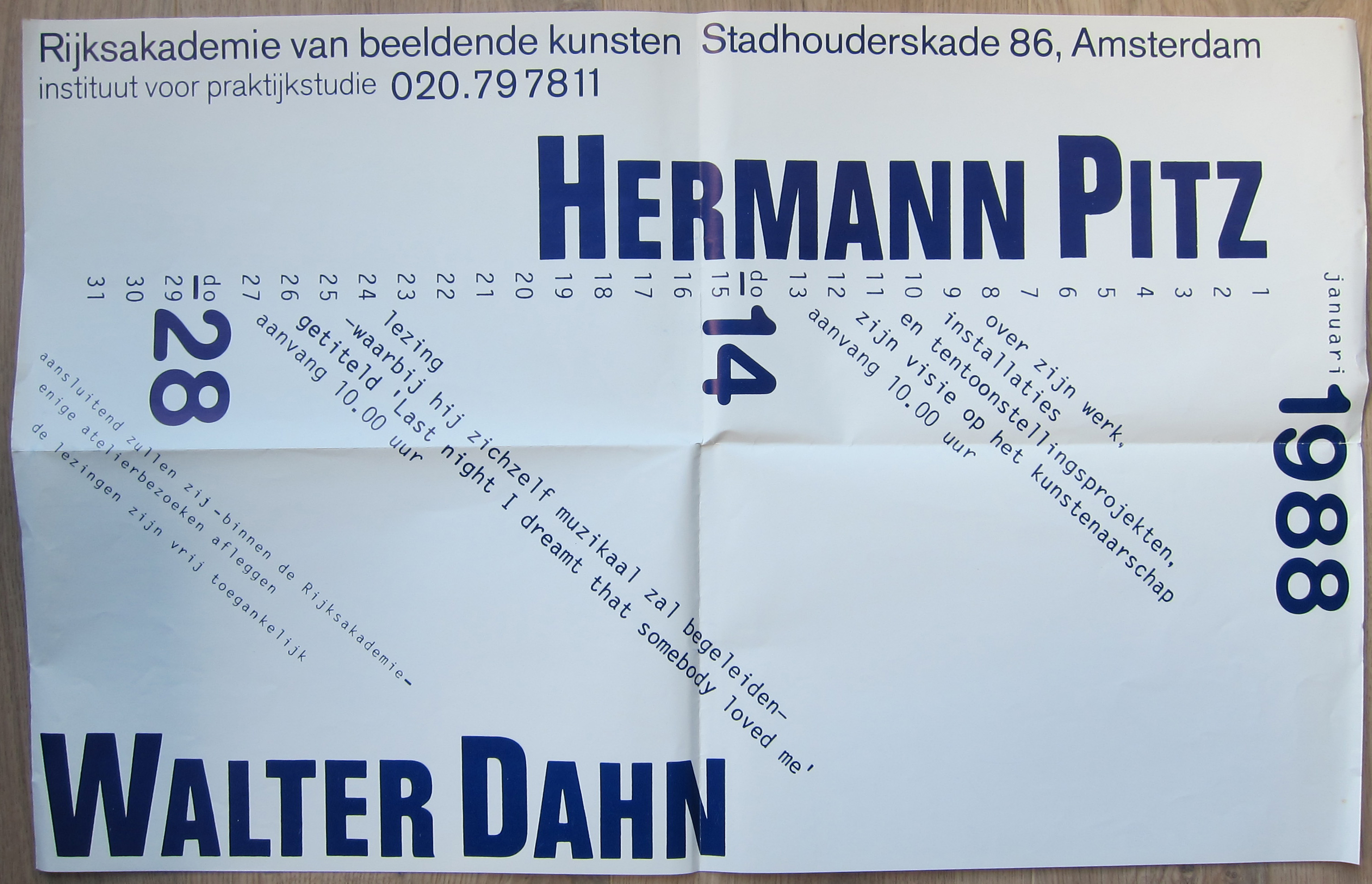
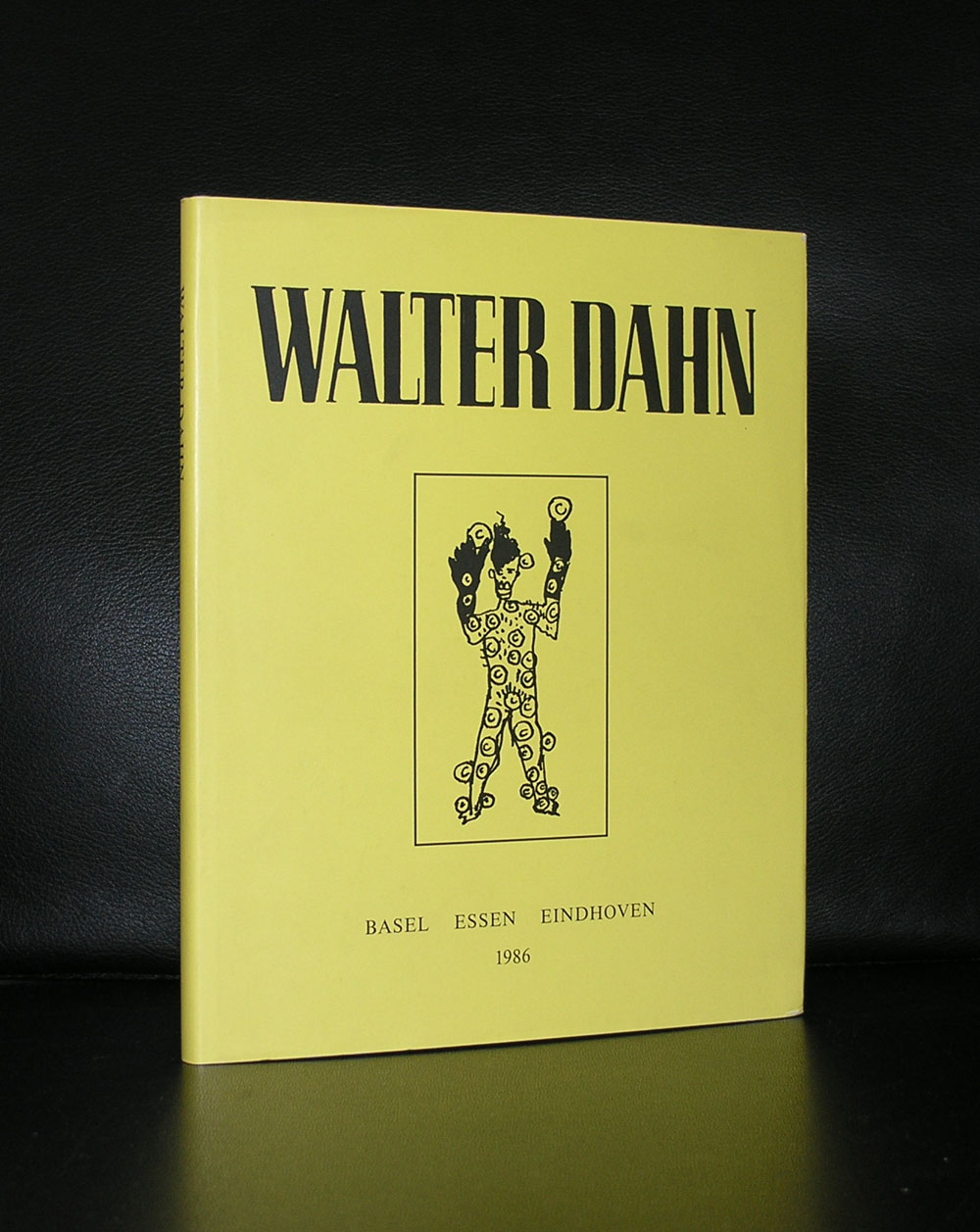
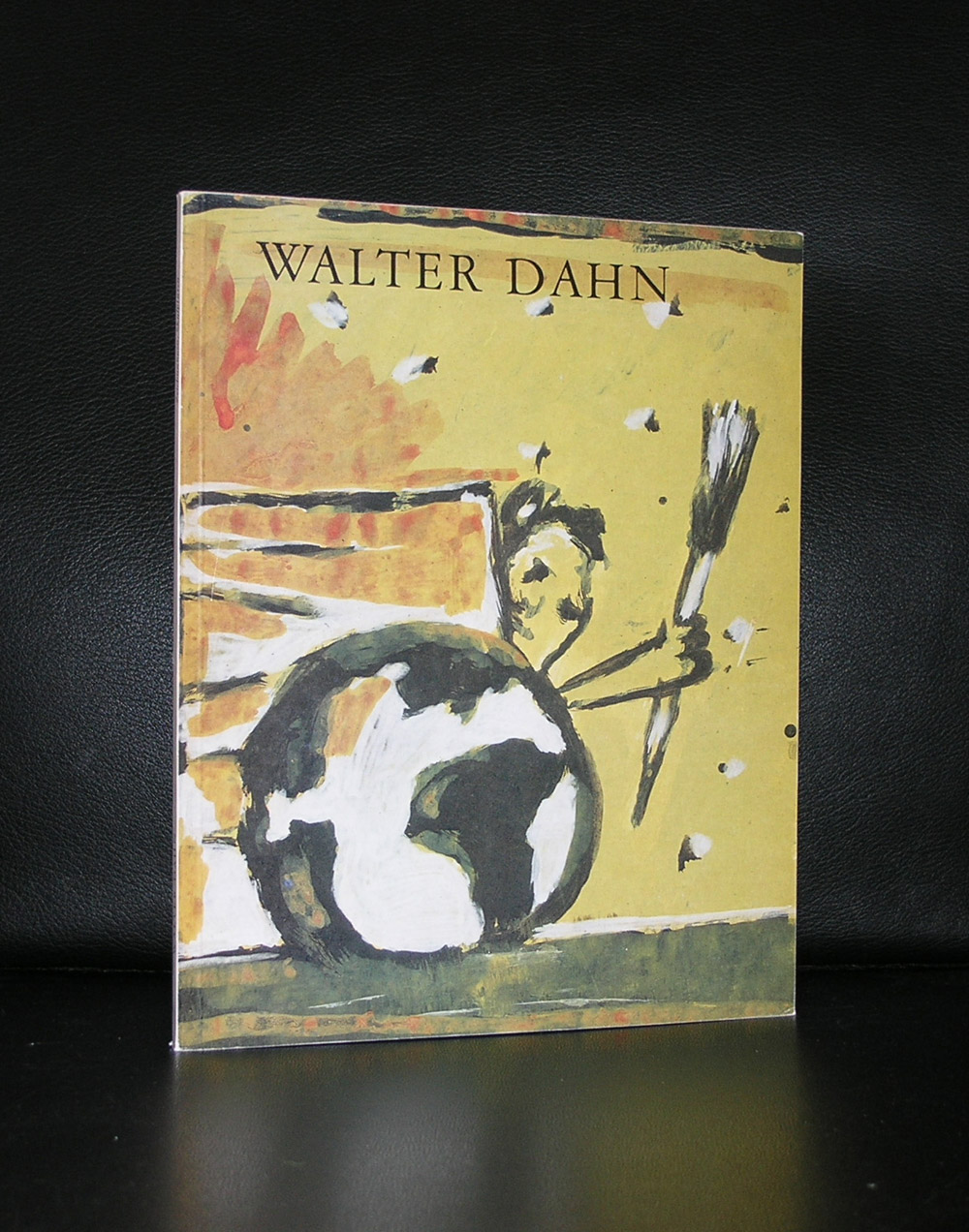
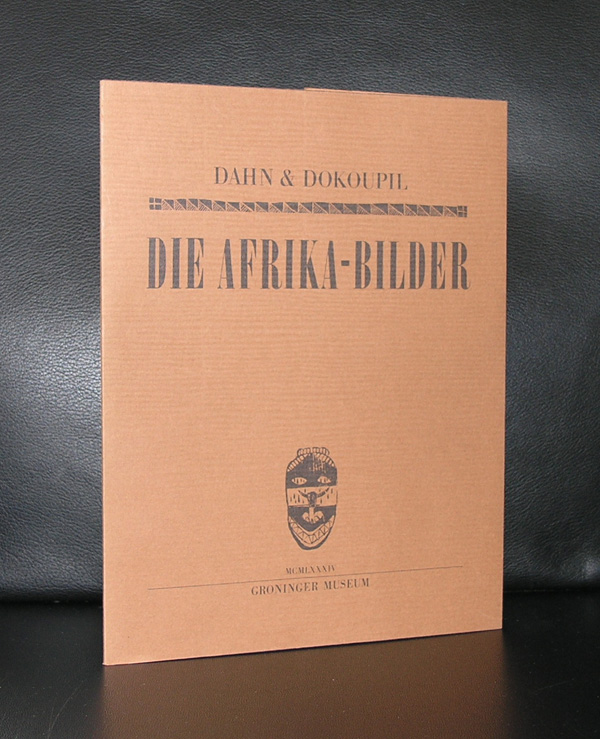
Beside a gifted painter and belonging to the JUNGE WILDEN movement and member of the Mülheimer Freiheit in Germany in the Eighties, Dahn is also known as a photographer and a musician. In the eighties he was invited for exhibitions all over Europe and in the Netherland the Groninger Museum presented his works on several occasions, but in the Nineties and Zero’s the art of Dahn became almost extinct and the artist Walter Dahn disappeared from the art radar completely. Nowhere his art was shown and only an occasional gallery presented his new works. Personally i do not think this is fair, because his art is highly recognizable and sometimes shows great quality.
I like his art and maybe he will be appreciated once again when time passes and the JUNGE WILDEN painters like Fetting, Dahn and Bach will be reestablished as the great German painters they onmce were considered. Until that time you have to rely on the publications from the 80’s and 90’s that are available at www.ftn-books.com
Artist/ Author: Oliver Boberg
Title : Memorial
Publisher: Oliver Boberg
Measurements: Frame measures 51 x 42 cm. original C print is 35 x 25 cm.
Condition: mint
signed by Oliver Boberg in pen and numbered 14/20 from an edition of 20