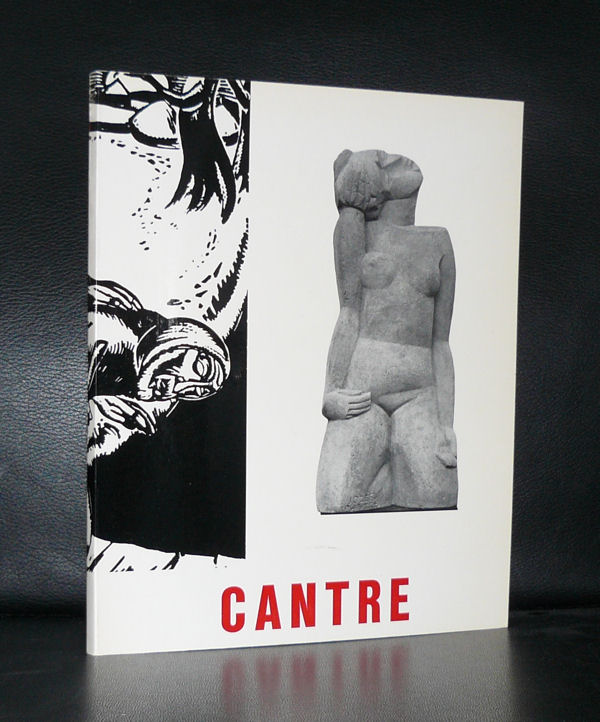
Born on December 26, 1890 in Ghent. Flemish expressionist sculptor and graphic artist. He married Martha Margaretha Odila van Daele (Ghent, May 25, 1891) in 1913. Like his brother and wood engraver Jan-Frans Cantré (Ghent, July 21, 1886 – December 21, 1931), he studied at the Royal Academy of Fine Arts in his hometown. Cantré was already involved in the socialist and pacifist movement in Ghent before and during World War I. In 1916, he avoided his military service by fleeing to the Netherlands. In 1918, he lived with his family in Blaricum, where he worked in a studio within an enclave of Belgian refugee artists. Most of them were unable to return due to their Flemish activism and disdain for Belgian art politics. In Blaricum, he met architect Johan Visser, who had a holiday home in Eemnes. Starting from 1925, Cantré was involved with the progressive Catholic magazine De Gemeenschap. In 1927, he received a commission for a building relief for Visser’s residence, ‘d’Instuif’, at the Klompven in Oisterwijk. When the Cantré family moved from Blaricum to Oisterwijk (April 24, 1928), there were already two sons. His son Otto Theofiel (Blaricum) passed away at the age of nine in Oisterwijk on July 10, 1929. Cantré lived in the studio ‘t Kapelleke, owned by Visser and also located at the Klompven. He maintained contacts with the Brabant artist and physician Hendrik Wiegersma. In early 1929, he received the commission to design a monument for the singer Johannes Messchaert in Hoorn (unveiling on May 24, 1930). On February 26, 1930, the family left for Astene in East Flanders (municipality of Deinze), taking advantage of an amnesty scheme. According to the Oisterwijk population register, however, Cantré and his son Walter left for Vreeland (Utrecht), and his wife went to Astene. This might have been related to the commission in Hoorn.
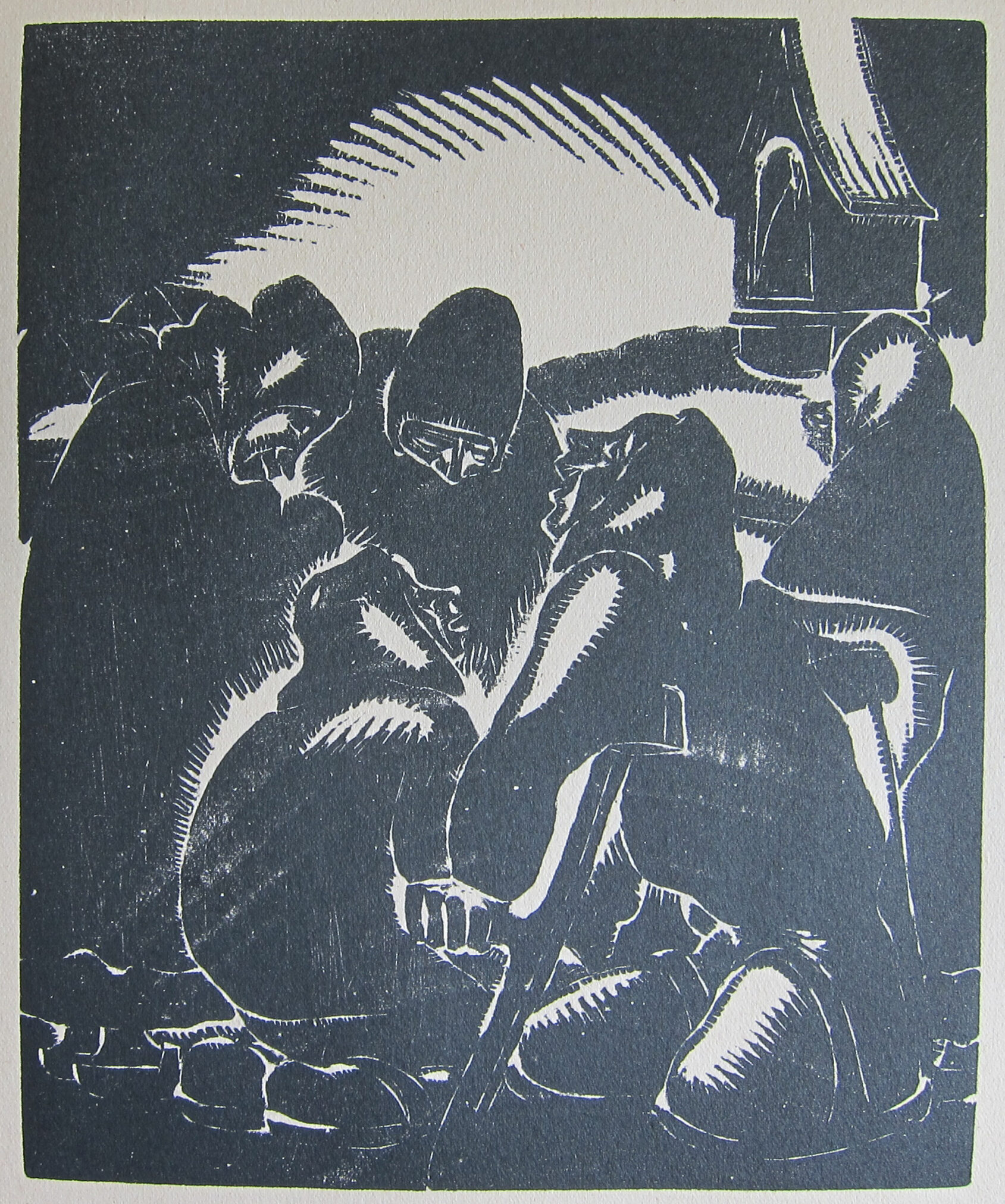
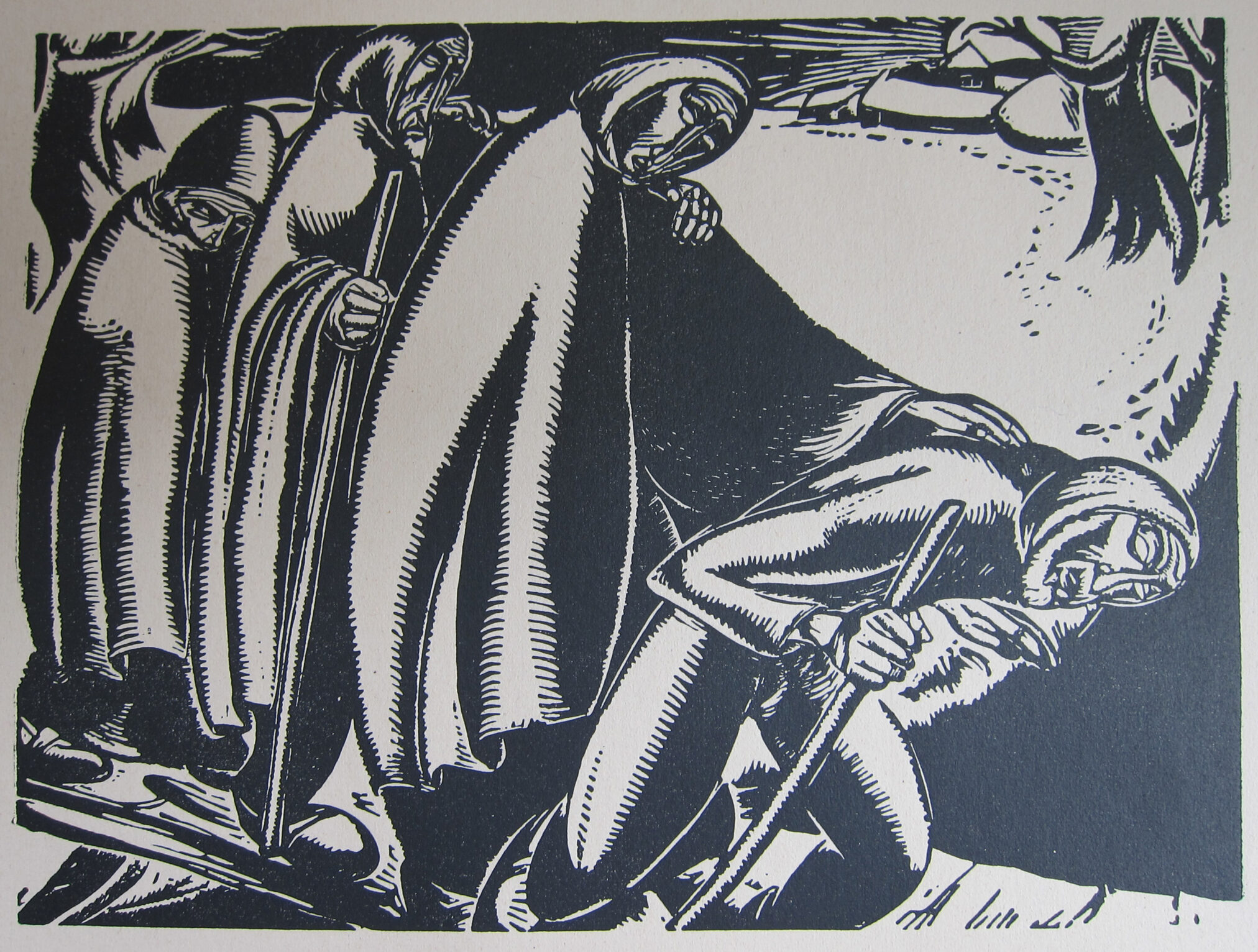
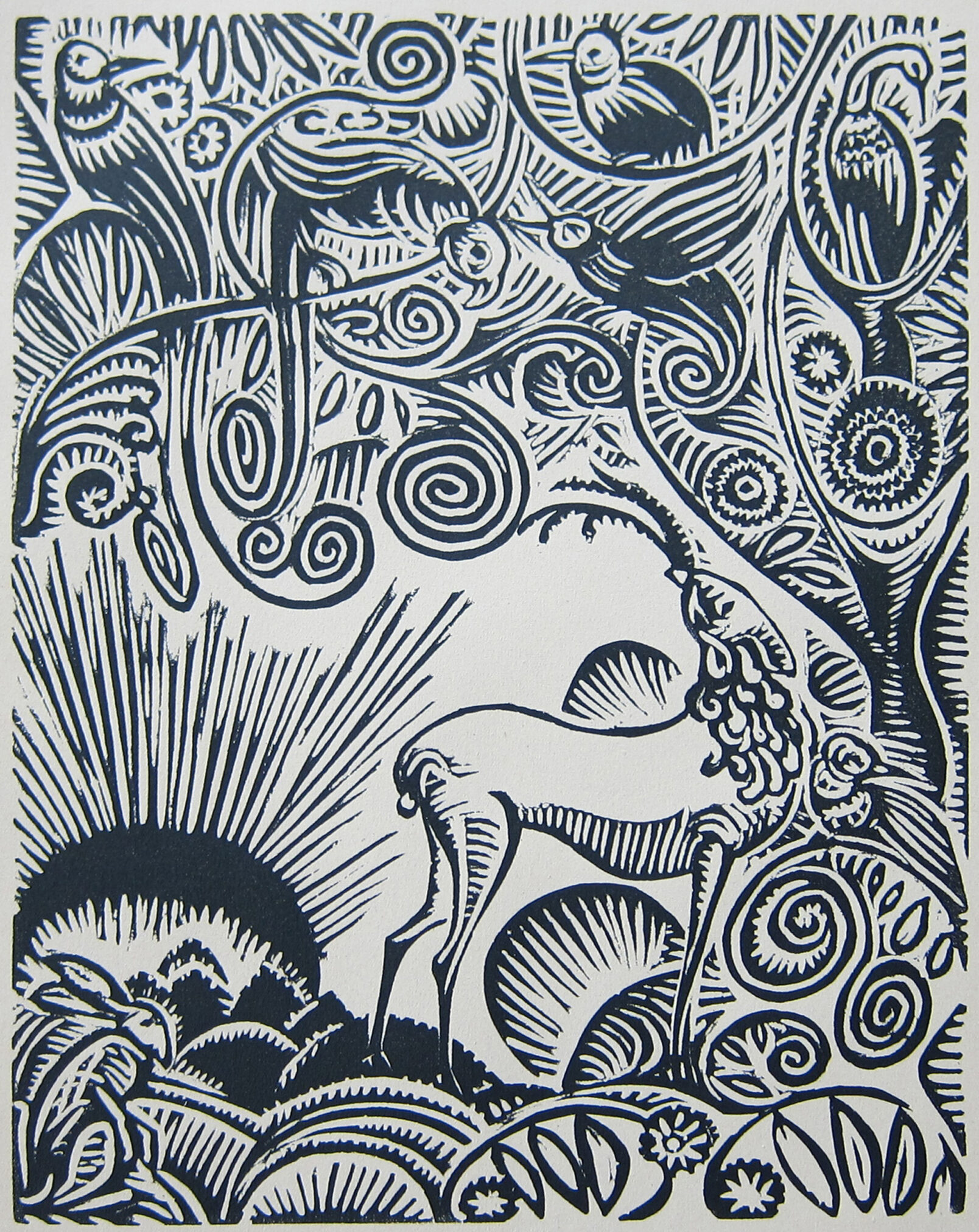
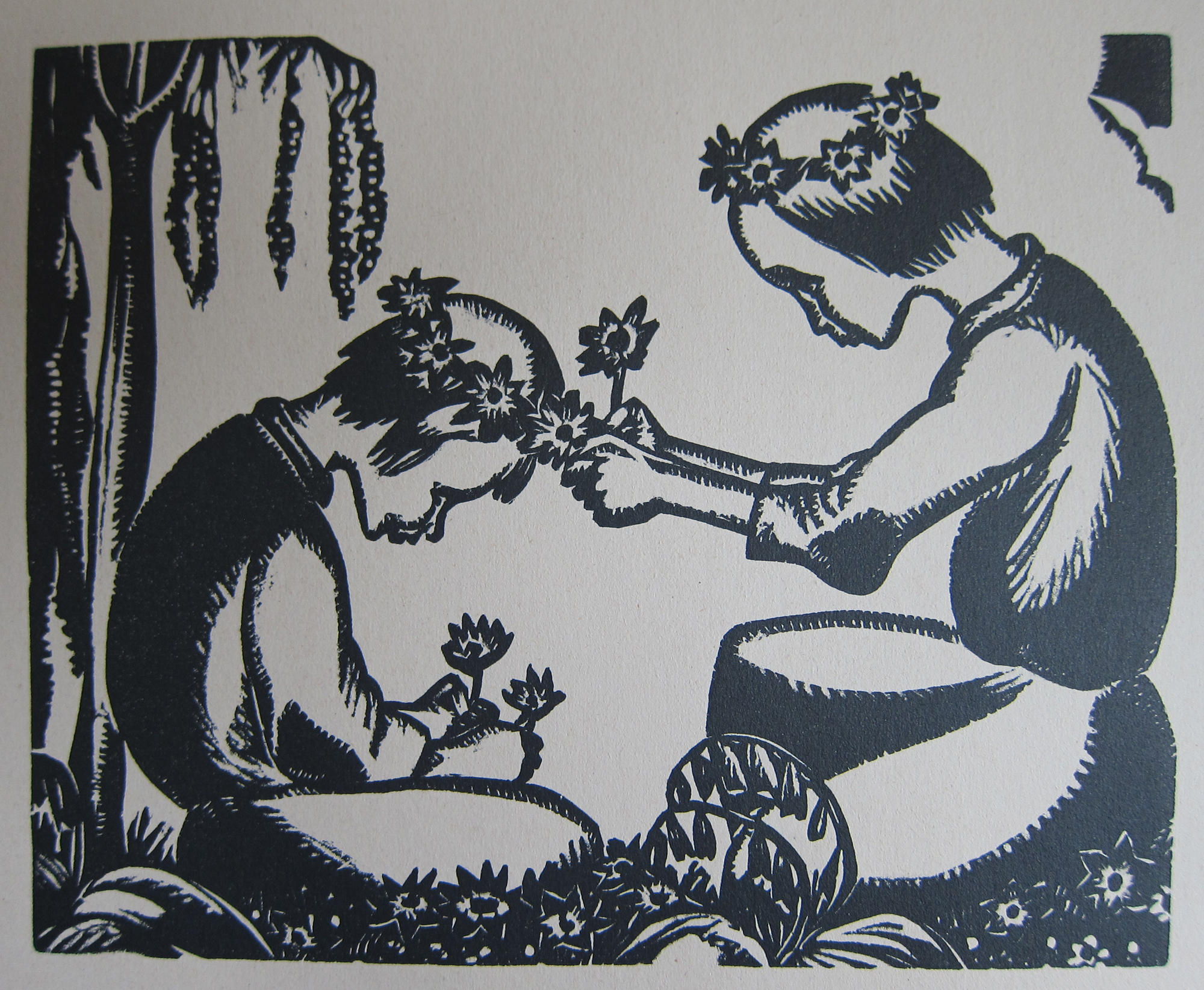
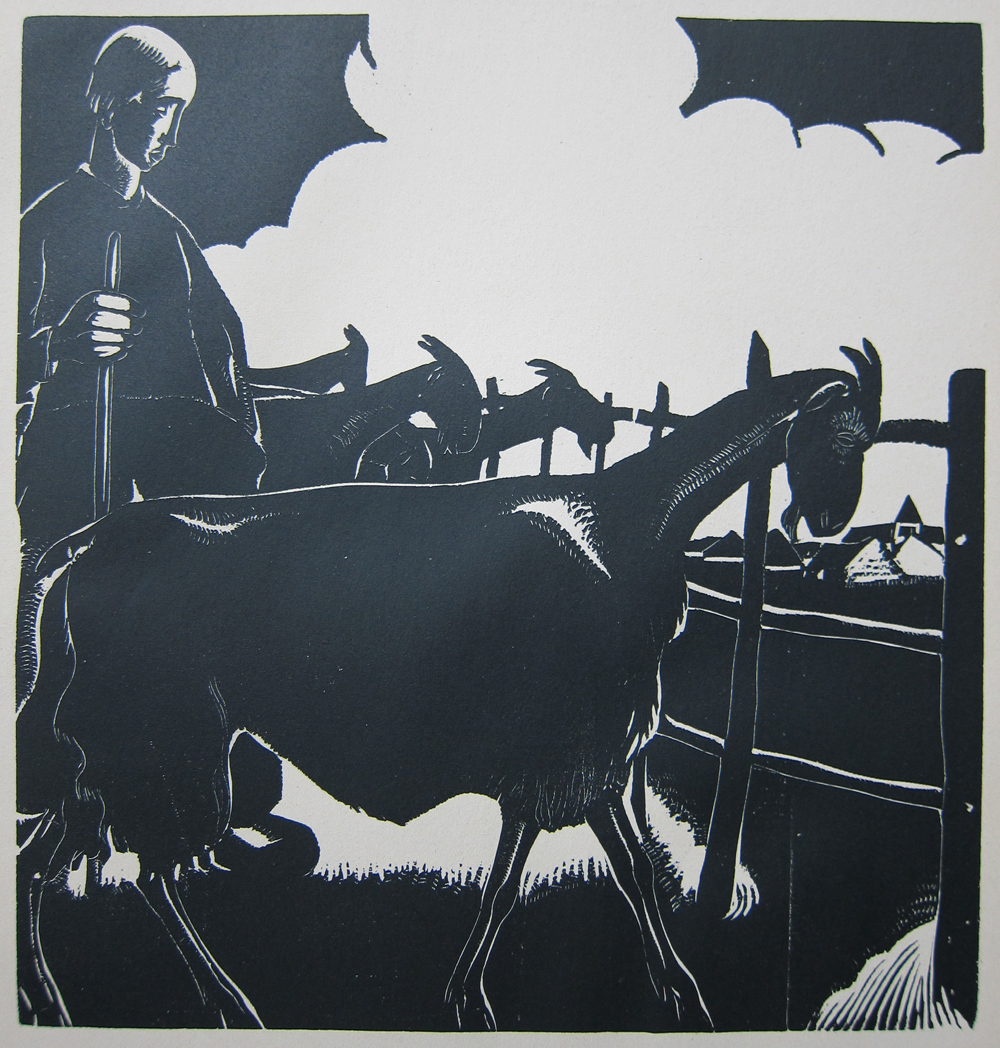
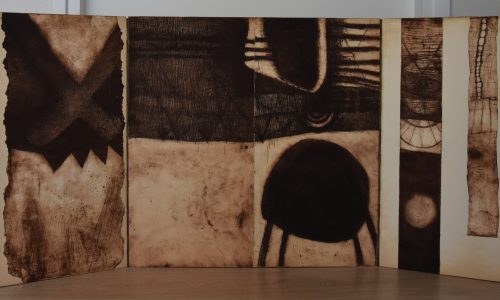
In 1952, he was awarded the Venice Biennale Angelo Prize for his work. Cantré passed away on August 30, 1957 in Ghent. His works can be seen at the Boymans van Beuningen Museum in Rotterdam and at the open-air sculpture museum Middelheim in Antwerp. He developed a personal style with powerful, rhythmic forms and balanced compositions. He created numerous monuments, including one for Edward Anseele Sr. in Ghent (1938-1948) and a gravestone for René de Clercq (1934; Lage Vuursche). He is also known for his woodcuts, which were revolutionary when they appeared in Ruimte, in Sélection, in Wies Moens’ Opgangen, and later in De Gemeenschap.
www.ftn-books.com has several publications and oroiginal woodblock prints by Cantré available.