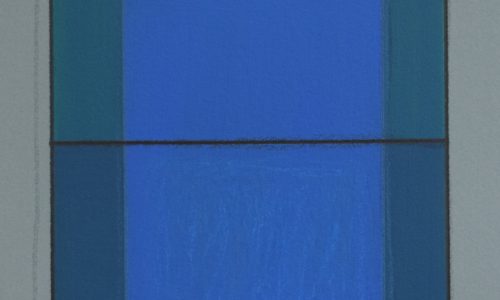
If i could chose only one painting from the collections of the Gemeentemuseum Den Haag….. It would be a hard choice between Egon Schiele’s / Edith or the Czardas Tänzerinnen by Ernst Ludwig Kirchner. If i would go for the reseller value i surely would be stupid not to chose for the Schiele,
but for sheer painting pleasure, strength of the composition and outright beauty it must be the Czardas Tänzerinnen Kirchner.
A large painting and the first time you see it and study it, it does not look that special , but this one grows on you. You discover small details and every time you enter the room in the museum , where this painting is shown, it lights up his surroundings. For me this is one of the great paintings from the 20th century and one of the true portals to Modern Art as we know it in our time.
For more Kirchner publications please take a look at the inventory of www.ftn-books.com
Both paintings belong to the collection of the Gemeentemuseum Den Haag, Stadhouderslaan 41 , 2517 HV . Den Haag.
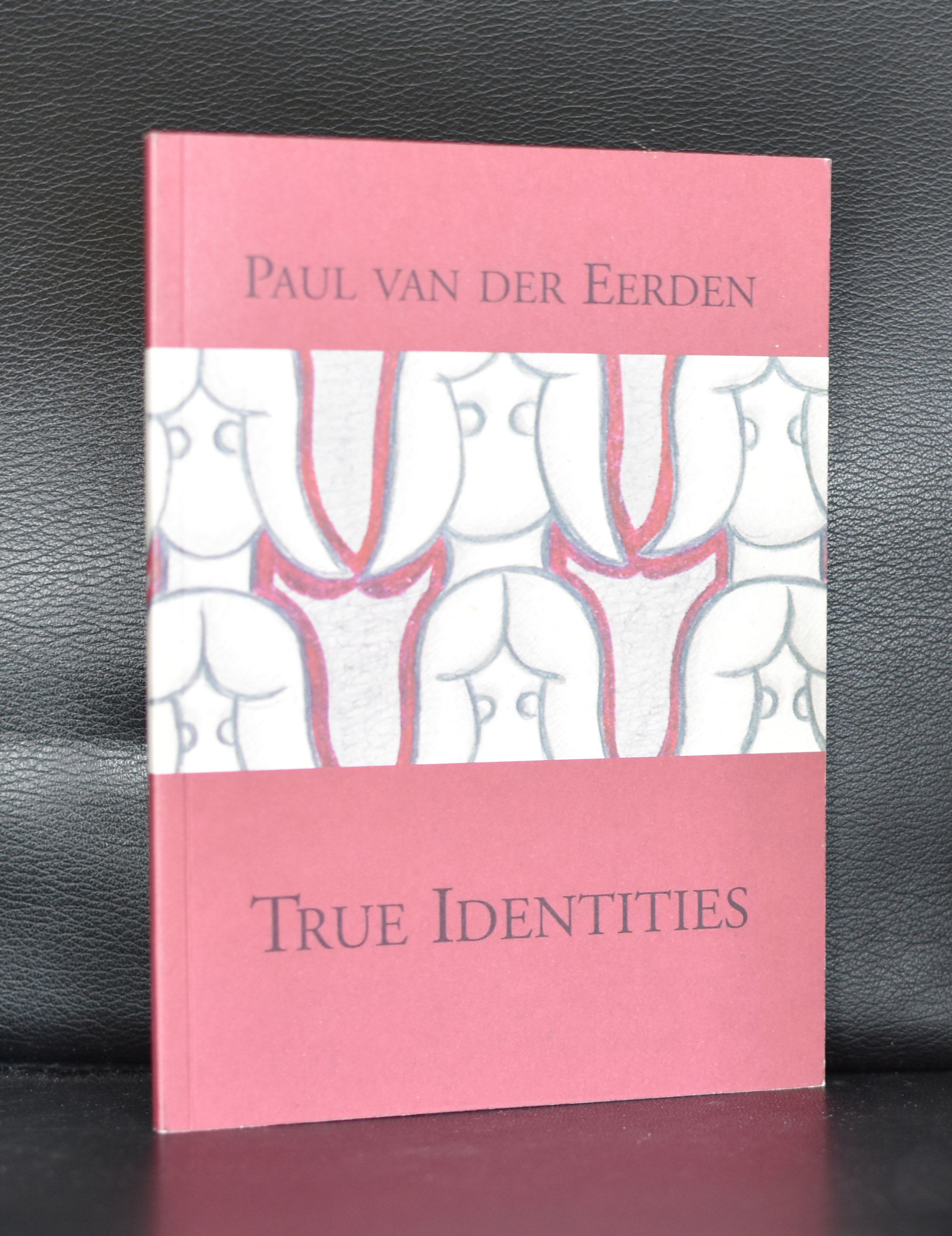
Best way to start a blog on van Eerden is this very informative video .
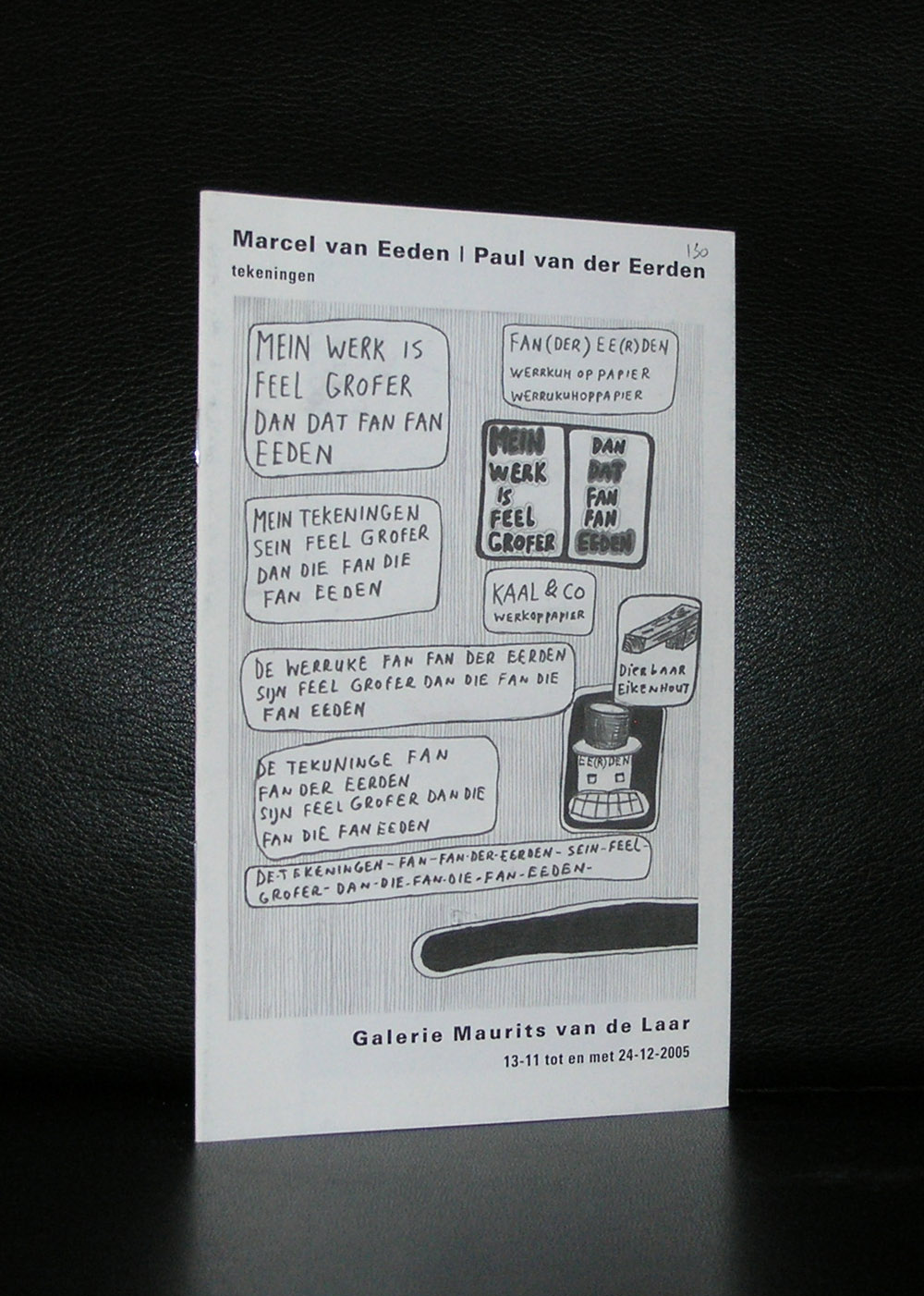
It explains what he sees and how he works. The result….highly original drawings and for this he has become for me personally one of the great contemporary artists in the Netherlands . Good and Slow observations are the fundaments for his drawings, which take a long time to finish with highly detailed parts which look simple but take a long time to execute and finish. The publications do justice to his drawings because they maybe even take longer to finish and some of them are available at www.ftn-books.com
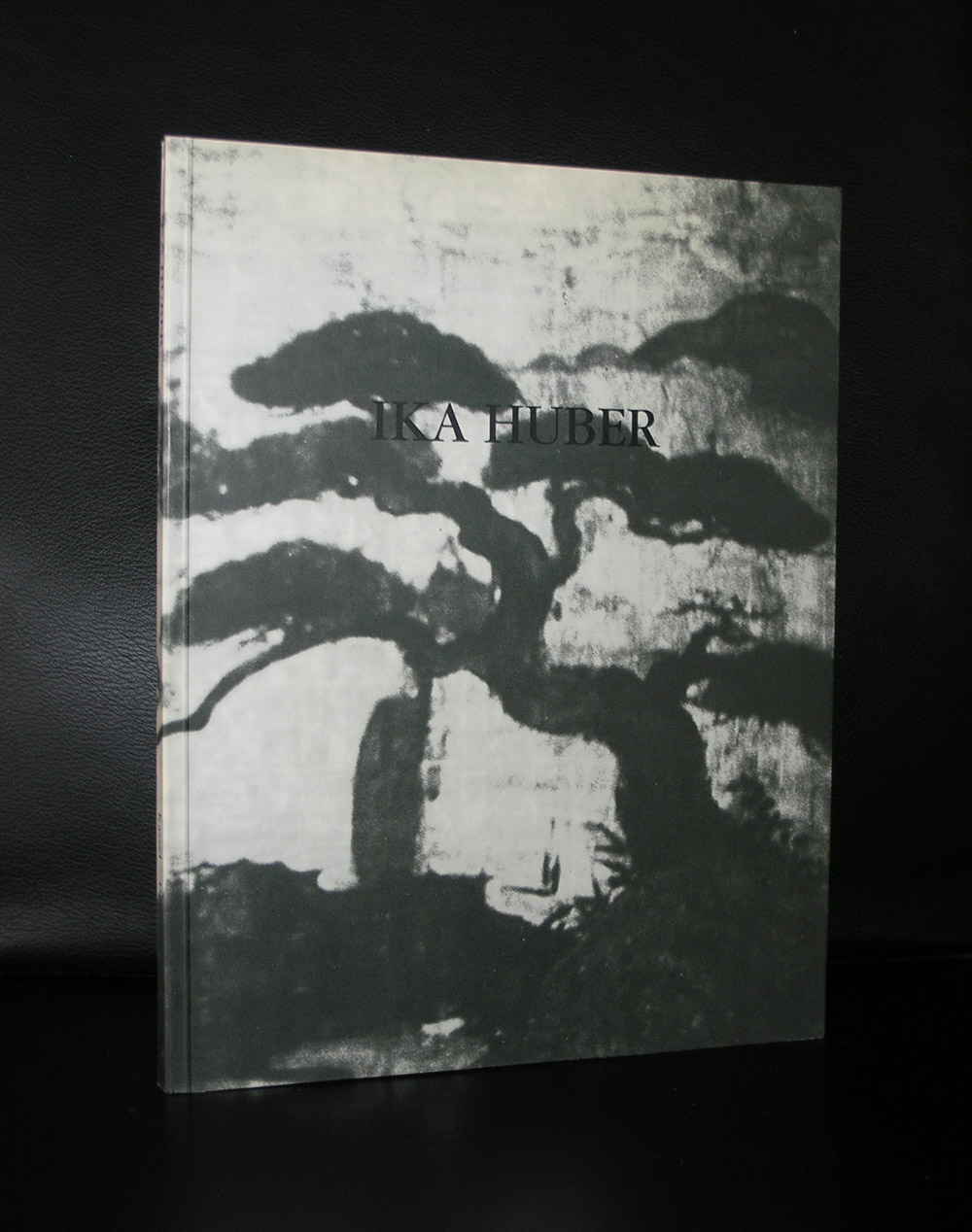
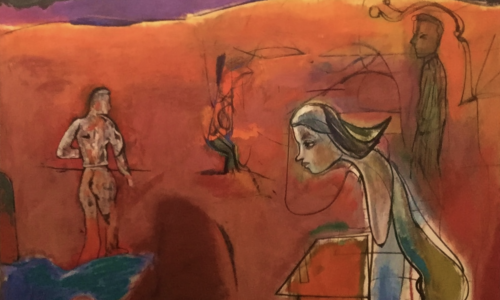
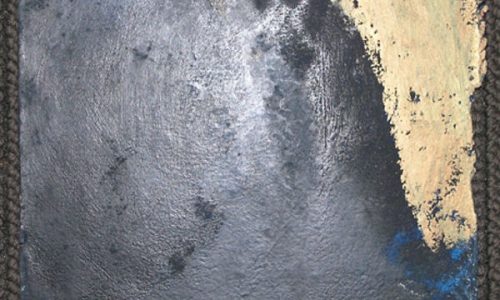
Possibly because of the same age we both have there is an automatic liking i have for the works by Ika Huber. Influenced by many, but still a very personal signature in her compositions which makes them 100% Ika Huber. We must have grown up and liked both the same kind of art and artists, because i recognize within her works many elements of artists i admire, but the best way to describe a painting by Huber is the way the former director of the Gemeentemuseum Den Haag and Stedelijk Museum Amsterdam , Rudi Fuchs did.
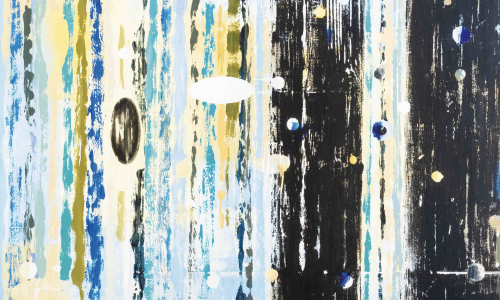
The paintings give the overall impression of fragments – meaning that they originate as fragments. At some point came the first touch of paint at a random spot on the canvas as an extension , in a way, of memories of landscapes, buildings, inner courtyards and windows, light as a feather – and so, as such, fragmentary; as fragmented and haphazard as memory itself.
Individual elements assume at times the completeness of a figure or the solidity of a column; straight lines are, however, meticulously avoided. Colours are mostly thin, but applied in delicate layers; the broad brushstrokes remain visible, creating a veiled effect but also one of restless vibration, like warm air over a horizon. In places, too, the paint is sometimes rubbed on dry and brittle, giving it the appearance of chalk. There is so much to see in these paintings if you examine them more carefully: hundreds of details make the picture glow like night.
Straight lines are avoided then, as these tend to trap colours and forms within their rigid framework. But the figments of memory which lead to fragmentary pictures should surely float if anything. This is what makes the drawing in these paintings so remarkable. The forms do indeed have contours but they are very hesitantly, almost unwillingly, suggested.
The forms are intertwined with each other with extraordinary care, as if Ika Huber was reluctant to say what the memory is. She leads the eye towards something else which must be seen, I think, in the same indescribable movement as that of Leonardo da Vinci’s Lady with an Ermine just over 500 years ago.
It is the mysterious and unfathomable that always confronts me in these pictures; in their composition, their details, the resonance and tone of their colours, and in their dreamlike mobility and “Sfumato”. There is a lot here then which does indeed complete the fragments in the pictures – but the question remains: to what extent.
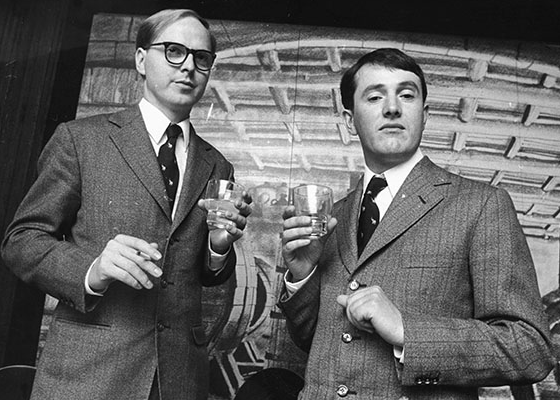
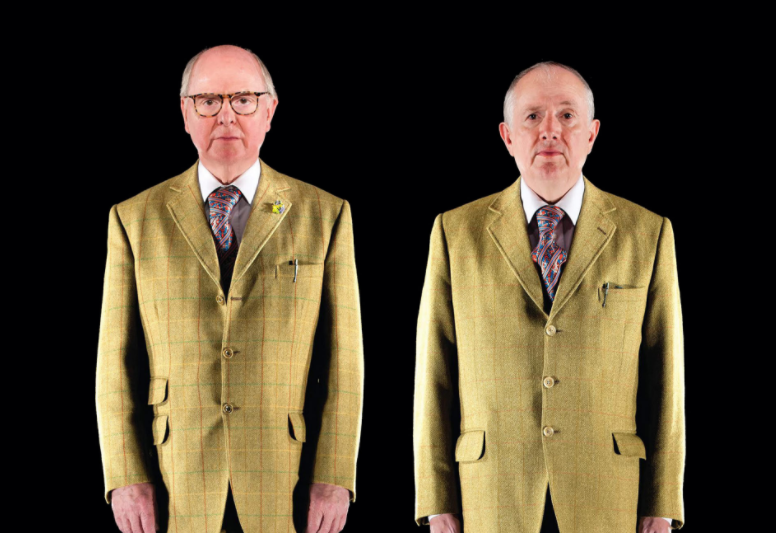
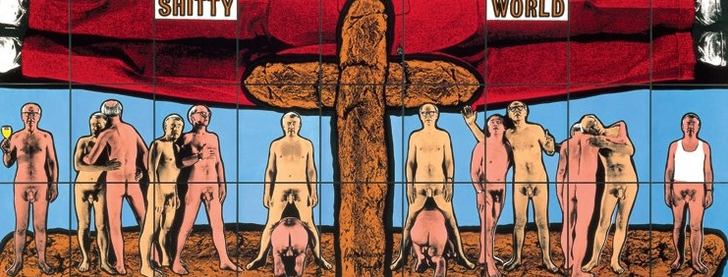
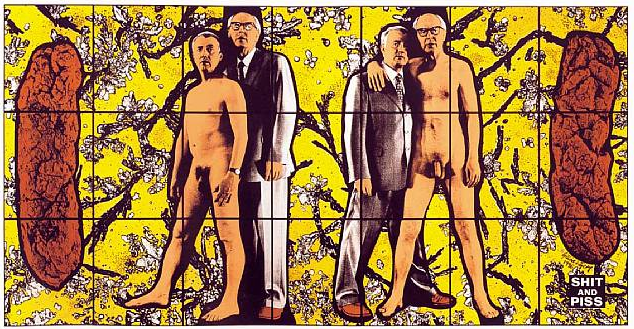
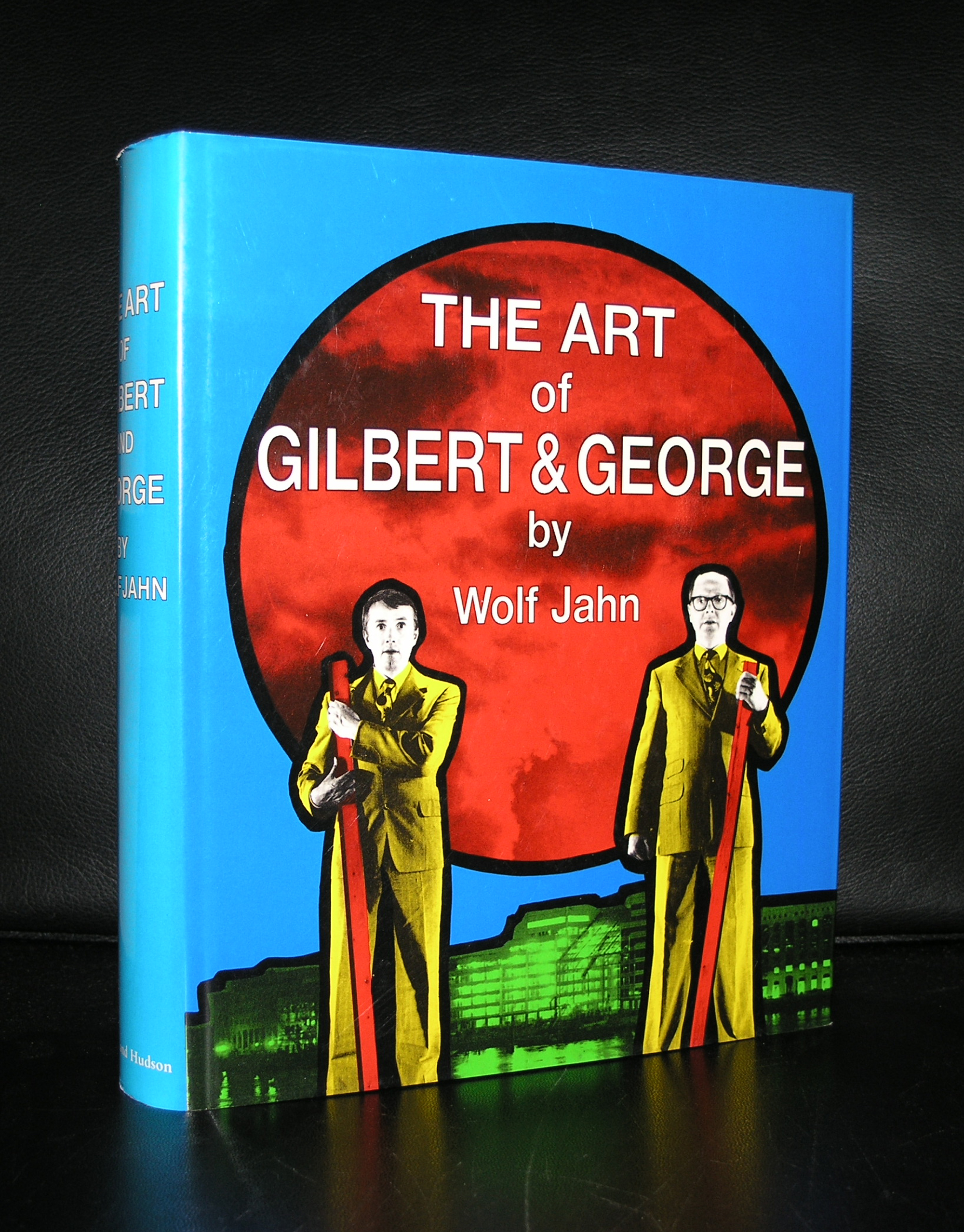
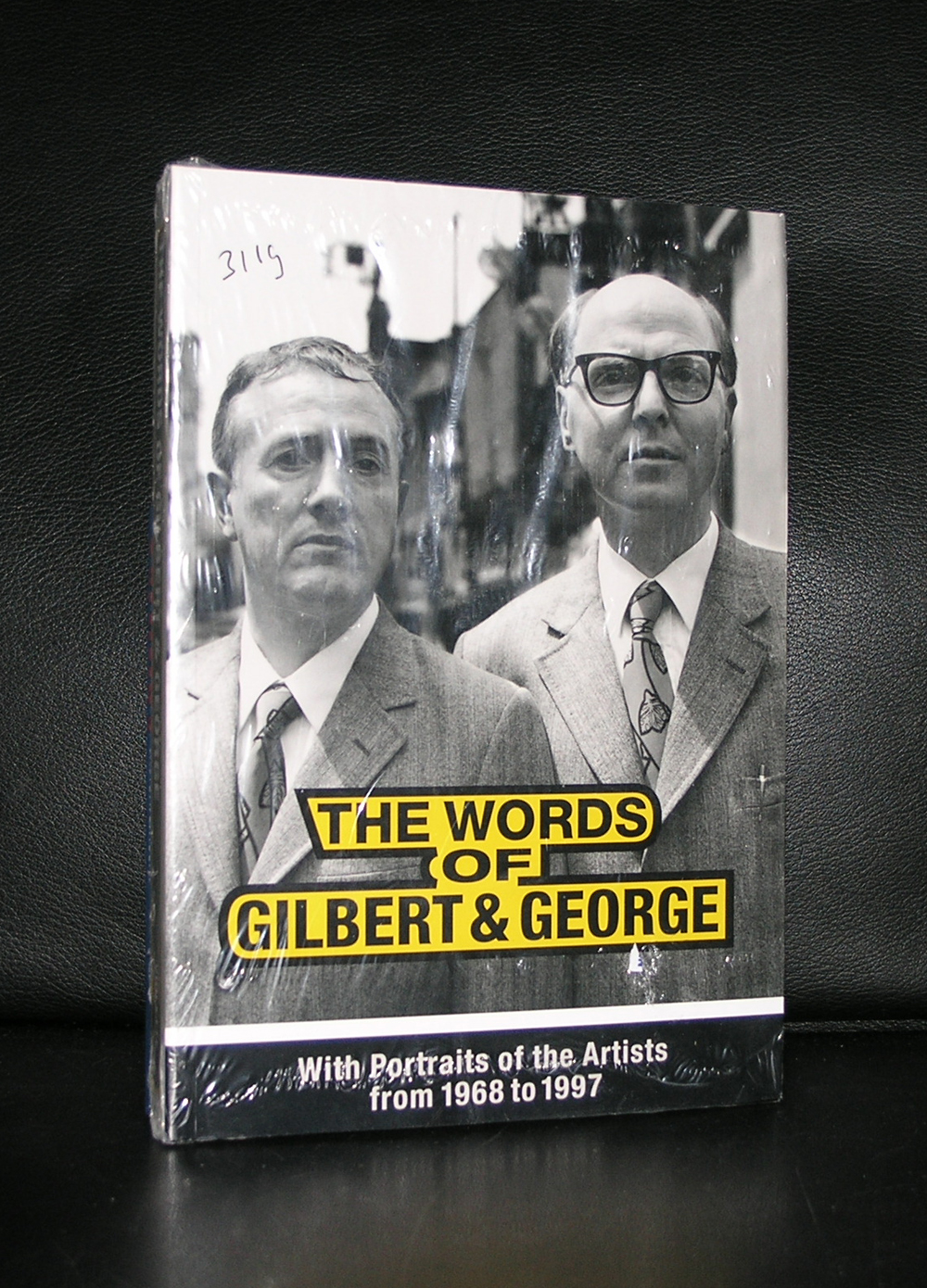
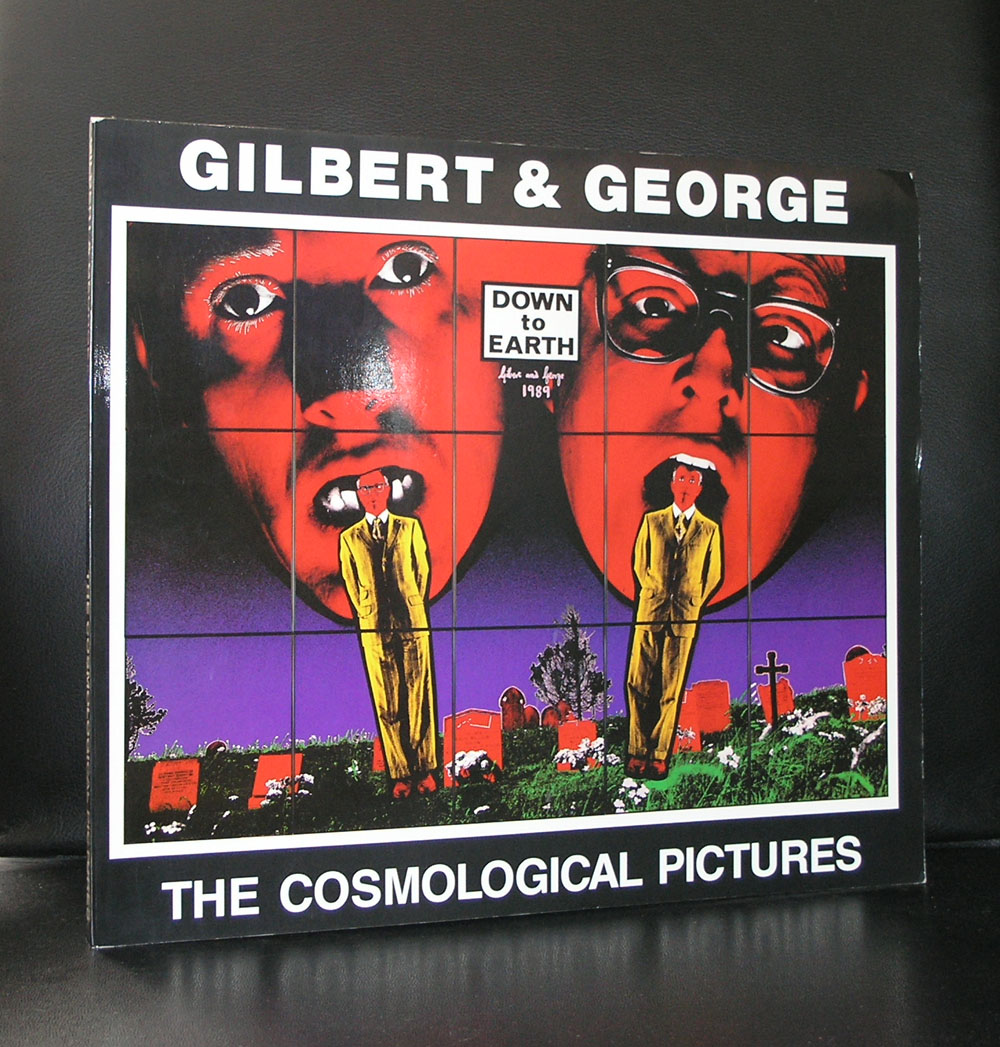
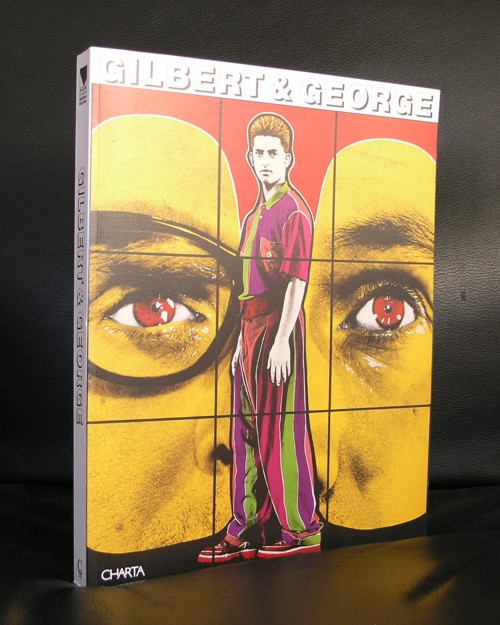
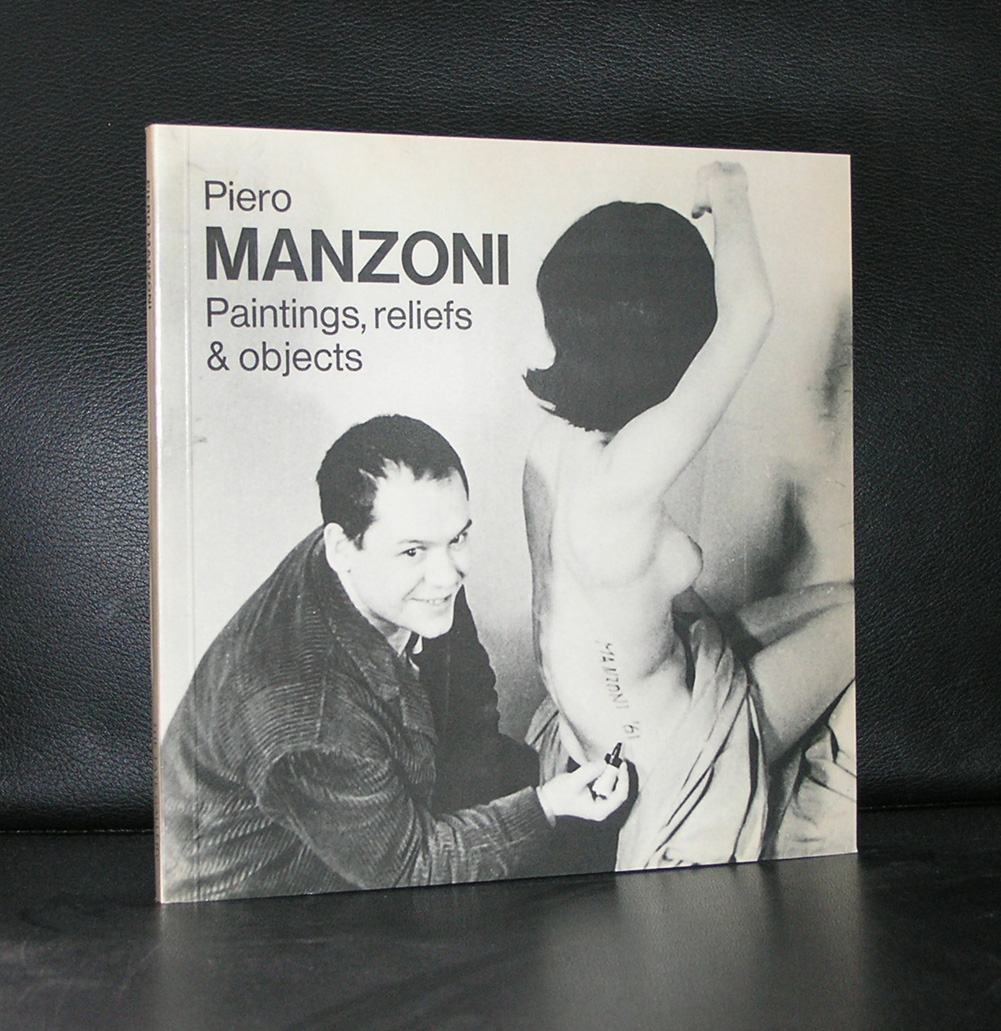
The blog of yesterday reminded me that Piero Manzoni was not the only artist who used faeces as a subject in their art. Gilbert & George is another example who used the subject in a far more explicit way than Manzoni did. With the canned Manzoni multiple it is still uncertain if the contents is the same as the label indicates , however with Gilbert & George it is no question at all, because the pictures show the subjects as they are.
Still the composition and execution are 100% recognizable Gilbert & George, but personally i like the more society and critical related subjects better and far more pleasing to look at, but just to show that many more artists used the subject it is nice to devote a blog on these 2 great artists.
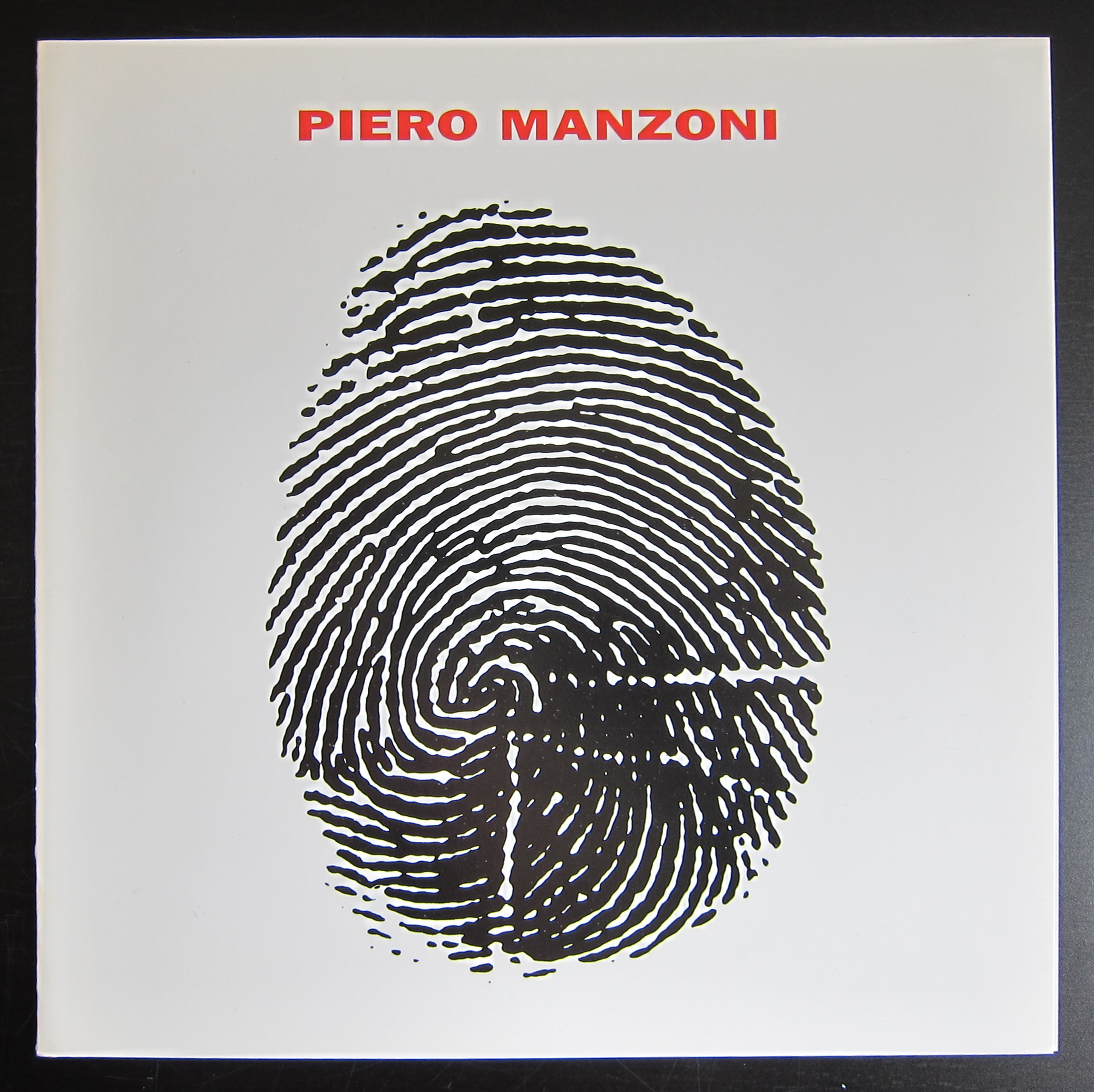
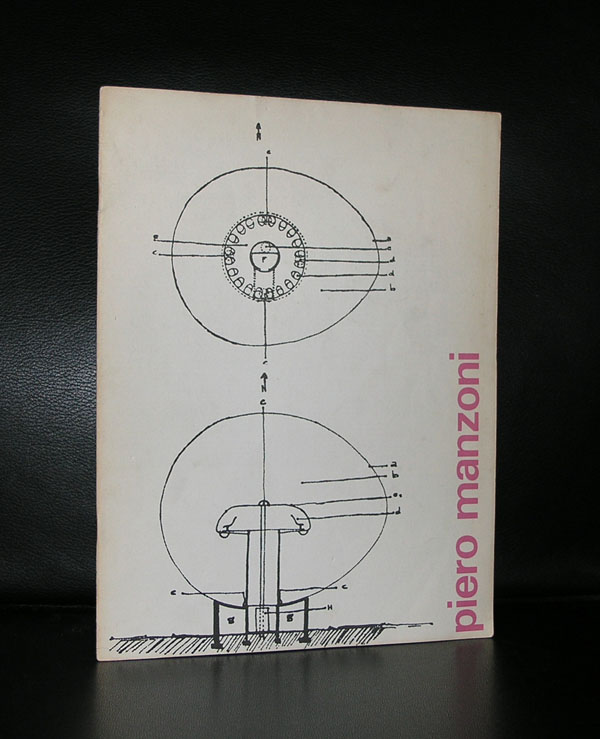
In May 1961, while he was living in Milan, Piero Manzoni produced ninety cans of Artist’s Shit. Each was numbered on the lid 001 to 090. A label on each can, printed in Italian, English, French and German, identified the contents as ‘”Artist’s Shit”, contents 30gr net freshly preserved, produced and tinned in May 1961.’ In December 1961 Manzoni wrote in a letter to the artist Ben Vautier: ‘I should like all artists to sell their fingerprints, or else stage competitions to see who can draw the longest line or sell their shit in tins. The fingerprint is the only sign of the personality that can be accepted: if collectors want something intimate, really personal to the artist, there’s the artist’s own shit, that is really his.’ (Letter reprinted in Battino and Palazzoli p.144.)
It is not known exactly how many cans of Artist’s Shit were sold within Manzoni’s lifetime, but a receipt dated 23 August 1962 certifies that Manzoni sold one to Alberto Lùcia for 30 grams of 18-carat gold (reproduced in Battino and Palazzoli p.154). Manzoni’s decision to value his excrement on a par with the price of gold made clear reference to the tradition of the artist as alchemist already forged by Marcel Duchamp and Yves Klein among others. As the artist and critic Jon Thompson has written:
Manzoni’s critical and metaphorical reification of the artist’s body, its processes and products, pointed the way towards an understanding of the persona of the artist and the product of the artist’s body as a consumable object. The Merda d’artista, the artist’s shit, dried naturally and canned ‘with no added preservatives’, was the perfect metaphor for the bodied and disembodied nature of artistic labour: the work of art as fully incorporated raw material, and its violent expulsion as commodity. Manzoni understood the creative act as part of the cycle of consumption: as a constant reprocessing, packaging, marketing, consuming, reprocessing, packaging, ad infinitum. (Piero Manzoni, 1998, p.45)
Artist’s Shit was made at a time when Manzoni was producing a variety of works involving the fetishisation and commodification of his own body substances. These included marking eggs with his thumbprints before eating them, and selling balloons filled with his own breath. Of these works, the cans of Artist’s Shit have become the most notorious, in part because of a lingering uncertainty about whether they do indeed contain Manzoni’s faeces. At times when Manzoni’s reputation has seen the market value of these works increase, such uncertainties have imbued them with an additional level of irony. ( text on this subject comes from the Tate site : http://www.tate.org.uk/art/artworks/manzoni-artists-shit-t07667)
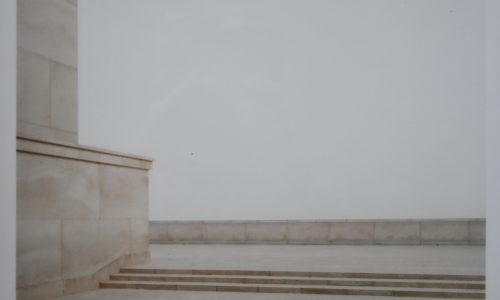
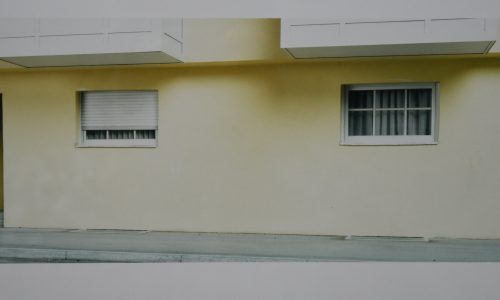
Artist/ Author: Oliver Boberg
Title : Memorial
Publisher: Oliver Boberg
Measurements: Frame measures 51 x 42 cm. original C print is 35 x 25 cm.
Condition: mint
signed by Oliver Boberg in pen and numbered 14/20 from an edition of 20